What Is a Snowbird Rental
A snowbird rental is a place you rent for part of the year while keeping a home somewhere else, and it affects how you need to insure your car and belongings in both places.
It's a seasonal home, and it changes your insurance picture
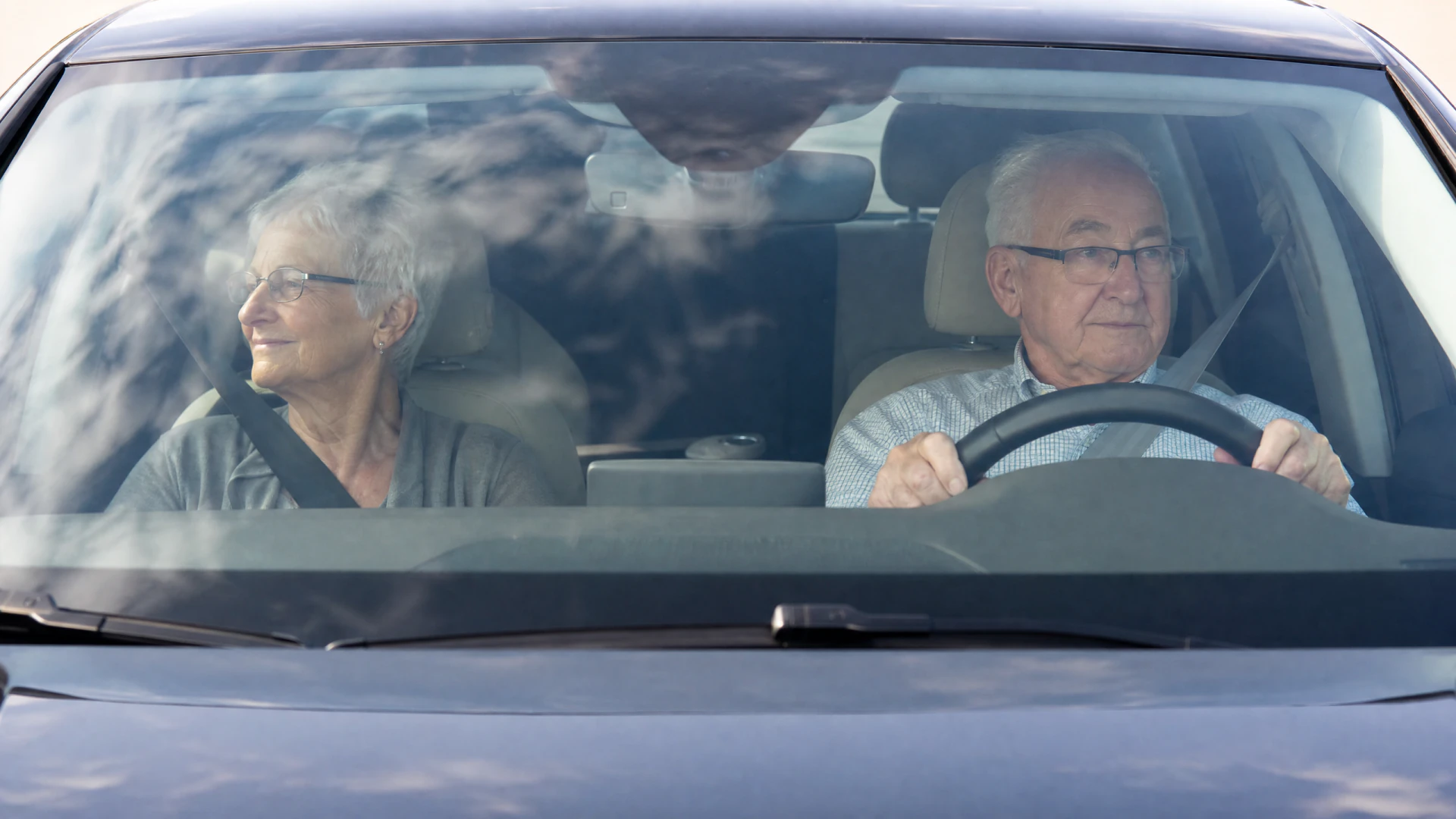
A snowbird rental is housing you rent for a season, usually the colder or warmer months, while you keep your main home elsewhere. People who do this are often retired and splitting the year between two climates.
The insurance question it raises is where your car and your things are covered. Your auto policy is written around where your car is garaged most of the year, and your renters or homeowners coverage is written around where you live most of the year. Living in two places for months at a time means both of those answers can get complicated.
Where your car is actually garaged decides your auto rate
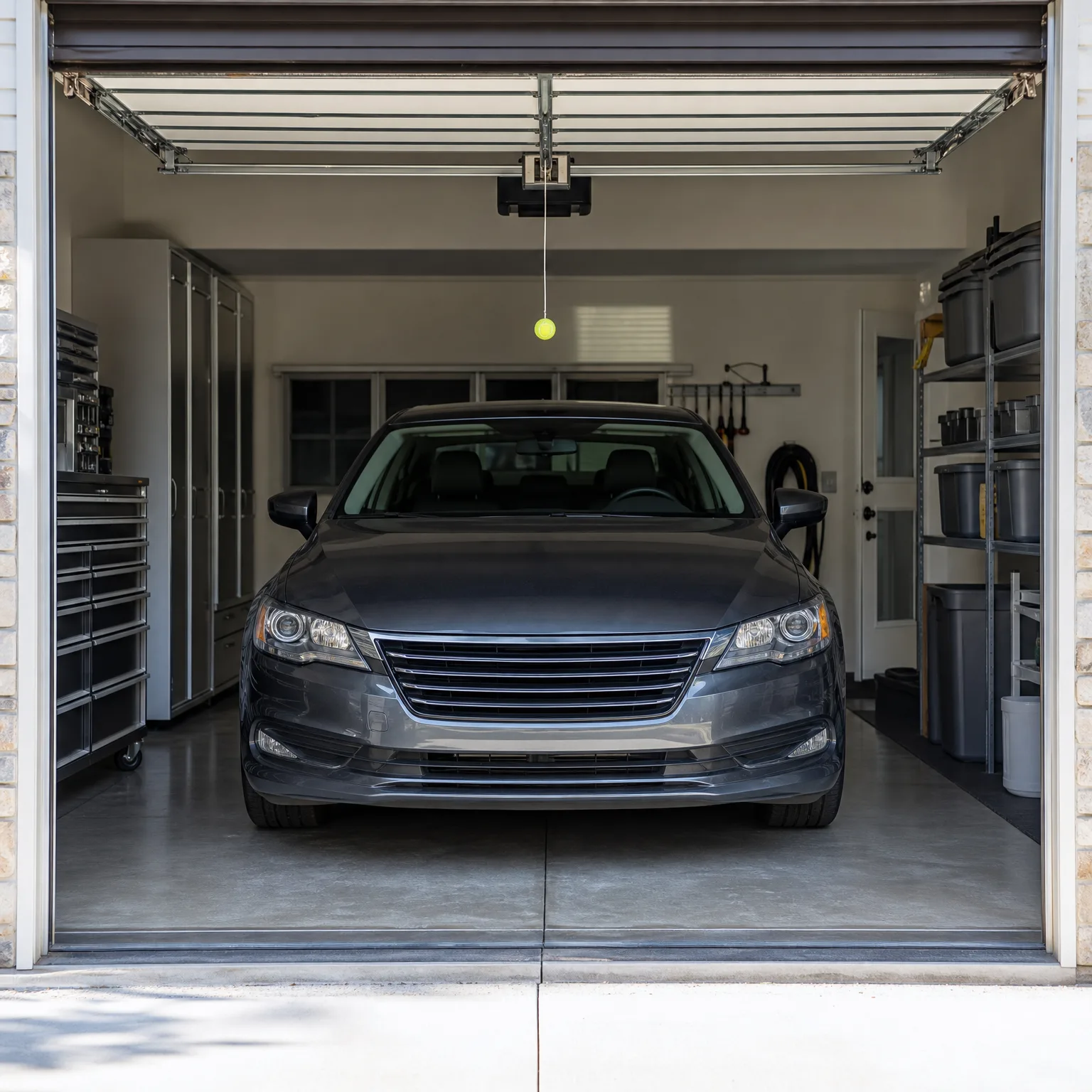
Your insurer sets your auto premium partly based on where the car spends most of its time. If you're gone for months at a stretch and your car goes with you, your insurer needs to know that. Some insurers price policies by the zip code where the car is garaged more than half the year, and if that's changed, your current rate may not reflect where the car really sits.
If you leave your car behind at your main home while you're away, tell your insurer that too. A car that sits unused for months might qualify for different coverage, and your insurer can tell you what that looks like.
If you bring a second car to the rental, or rent one while you're there, ask your insurer how that's handled under your existing policy versus a separate one. The answer depends on your insurer and sometimes on the state you're renting in.
None of this is automatic. Your insurer only knows what you tell them, so if your pattern changes each year, it's worth a call before each move rather than assuming last year's setup still applies.
Your renters or homeowners coverage may not follow you
A policy on your main home is written for someone who lives there most of the year. If you're gone for an extended stretch, ask your insurer whether that affects your coverage, since some policies have conditions about how long a home can sit unoccupied.
At the rental itself, you'll likely want a renters policy for the season, separate from whatever coverage your main home has. The landlord's own insurance usually covers the building, not your belongings or your liability while you're there.
If you're renting through a management company, ask directly whether they require you to carry renters insurance for the stay. Some do and some don't, and the requirement is set by the landlord or the state, not by any one insurer.
Keeping both homes covered properly usually means two separate conversations, one with whoever insures your main home and one for the rental, rather than expecting one policy to stretch across both.
Questions people ask about this
Do I need a separate car insurance policy for my snowbird home?
Not necessarily a separate policy, but you may need to update your current one. If your car travels with you for months, tell your insurer where it's garaged during that time, since that can affect your rate and your coverage.
Can I keep my home insurance active while I'm away all winter?
In most cases yes, but check for any unoccupancy clause in your policy. Some policies limit coverage if a home sits empty past a certain point, so ask your insurer what counts as too long and what they expect you to do about it.
Does renters insurance cover a seasonal rental the same way as a year-round one?
Renters insurance generally covers your belongings and liability wherever you're renting, including a seasonal place. The length of your stay doesn't usually change what's covered, but confirm with the insurer how a short-term or seasonal lease is treated.
Will my auto insurer charge more if I split time between two states?
It depends on the insurer and the two states involved. Rates are set partly by location, so ask your insurer directly how they handle a car that's regularly garaged in a second state for part of the year.
What should I tell my insurance company before I start spending winters elsewhere?
Tell them where your car will be garaged, how long you'll be gone, and whether your main home will sit empty. Giving them this upfront helps make sure both your auto and home coverage match what you're actually doing.
See how your rate changes once your insurer knows about your second home.
Before your next trip, call your auto insurer and tell them where the car will be garaged and for how long. Ask your home insurer what their unoccupancy terms are, since leaving a home empty for a season can affect your coverage if something goes wrong. If you're renting, ask the landlord or management company whether renters insurance is required, and get a seasonal policy in place before you arrive. Keep a copy of both policies with you at the rental in case you need to reference them. If your pattern repeats every year, put a reminder on your calendar to check in with both insurers before each move rather than assuming nothing has changed.