How to Choose a Winter Rental as a Snowbird
The right winter rental is the one your current insurer already knows about, in writing, before you leave.
Pick the unit, then call your insurer before you sign anything
Choosing a winter rental isn't just about the building or the neighborhood. Where you keep your car for months at a time changes your insurance, so the choice that matters most to your policy is the address, not the amenities.
Your insurer needs to know your car's garaging address, because rates and coverage are tied to where a vehicle is usually kept. If you don't tell them it's moving for the season, you could end up with a mismatch between what your policy says and where your car actually sits, and that can cause problems if you ever file a claim.
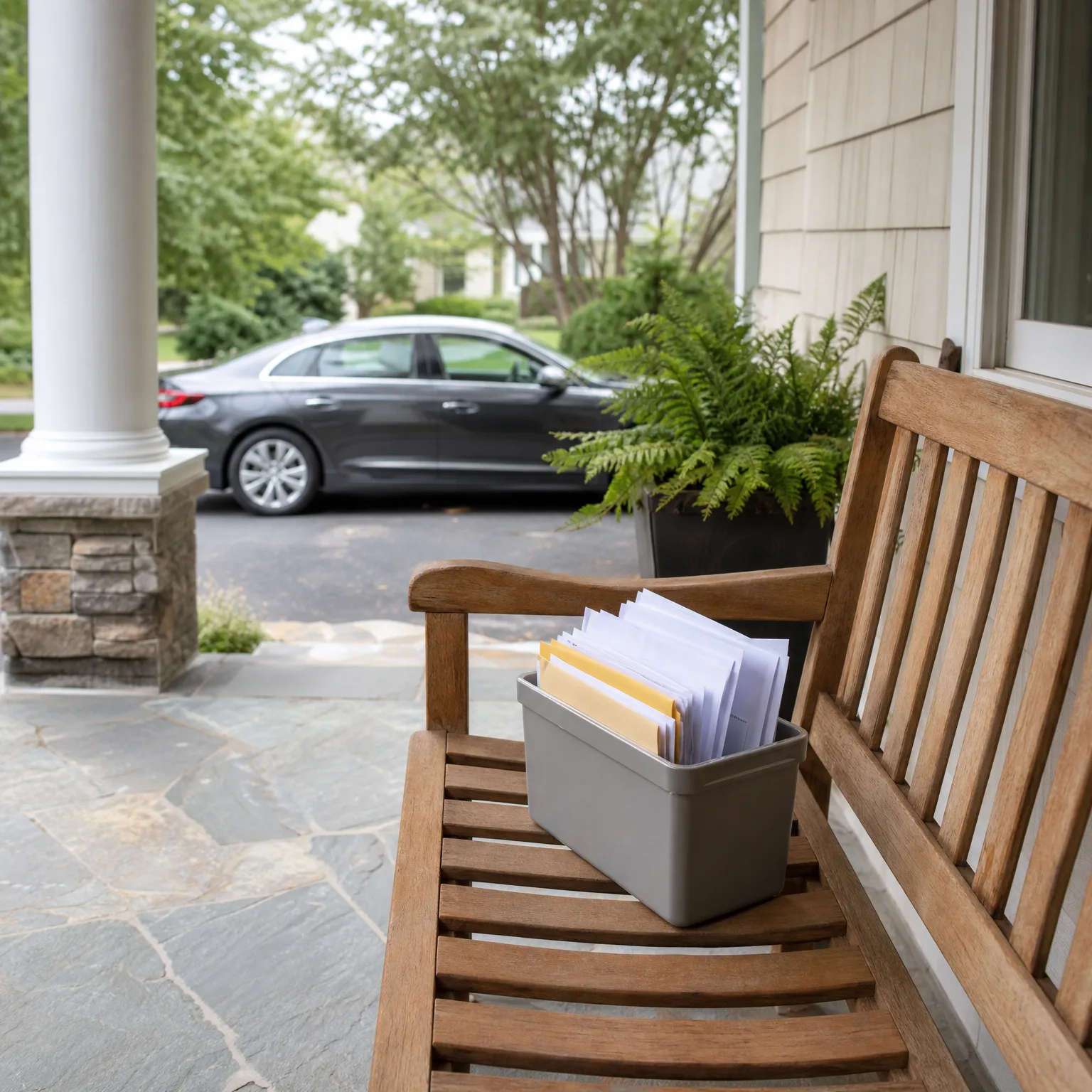
Where the car will actually sit matters more than where you sleep
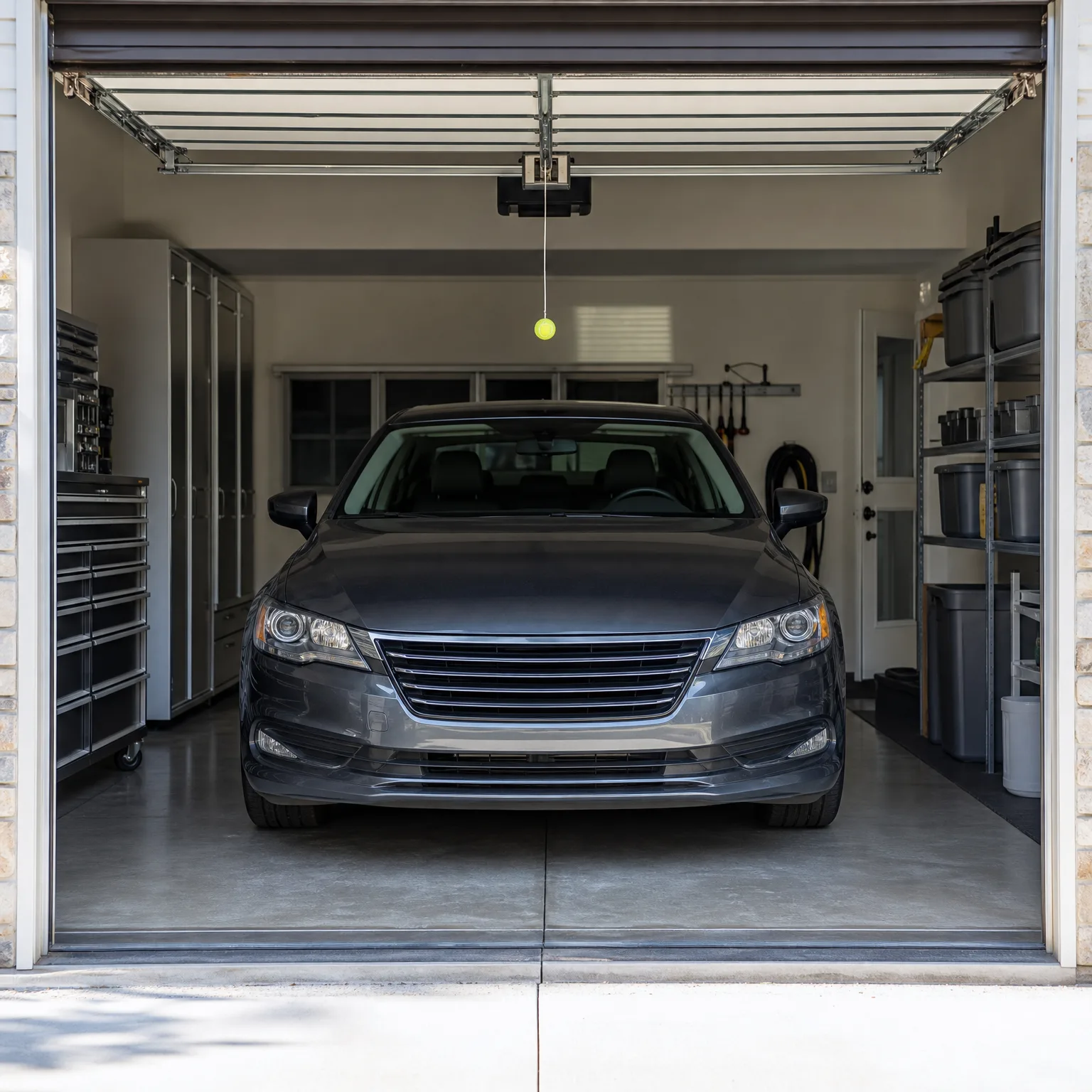
A rental with secure, covered parking is worth more to your insurer than one with a nicer kitchen. If the building has a garage or assigned covered parking, ask whether it's included in the rental price or costs extra, because that monthly cost is worth comparing against what you'd pay to leave the car uncovered.
Street parking in an unfamiliar city carries different risks than your home garage, and your insurer may ask about this if you report the address change. Some snowbirds keep the car at the winter address for insurance purposes but park it in a rented garage space nearby. If that's your plan, mention both addresses when you call your insurer.
If the rental is in a different state than your home policy, ask your insurer directly whether your coverage still applies there, and whether the minimum coverage requirements differ. This is set by the state you're renting in, not by your home state, so confirm it before you drive down rather than after.
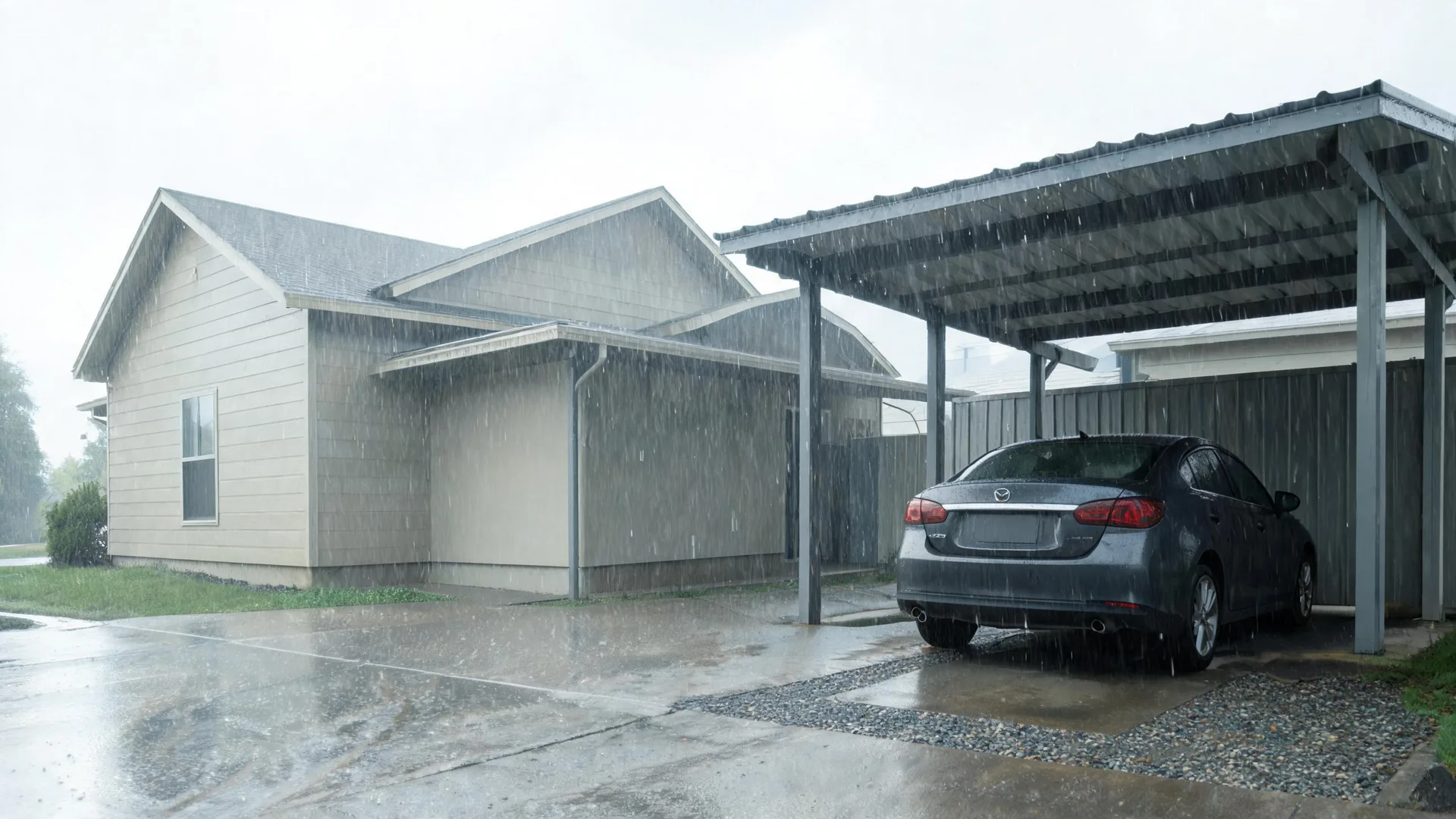
How long you'll be gone changes what your insurer wants to hear
A short stay and a full season aren't treated the same way. If you're renting for a few weeks, your insurer may not need anything beyond your normal policy. If you're gone for months, most insurers want to know the car has a new primary location, even temporarily.
Ask your insurer what counts as a long enough stay to require an update, since this threshold is set by each insurer and isn't the same everywhere. Don't assume silence means it doesn't matter. If your agent doesn't ask, that doesn't mean the answer is no.
If you're leaving the car at your winter rental unused for stretches while you travel, ask whether your policy still covers it while parked and not driven. Some policies have conditions tied to regular use that are easy to overlook until something happens.
Questions people ask about this
Do I need a separate renters insurance policy for a winter rental?
That depends on what the landlord requires and what you already have. Some landlords require proof of renters insurance before handing over keys, even for a seasonal stay. Ask the landlord directly what they require, and ask your current insurer whether a short-term renters policy for the winter address is something they offer.
Will my car insurance cover me if I get in an accident while visiting a different state?
Your policy generally follows you across state lines, but the coverage amounts that apply can shift depending on which state's minimum requirements are higher. Call your insurer and ask specifically about the state where your winter rental is located, since this is not the same as asking whether you're covered at all.
Should I tell my insurer I'm snowbirding before or after I book the rental?
Tell them before you book, if the location affects your decision. Garaging rules, state minimums, and whether your insurer even operates in that state can all change what the rental actually costs you once insurance is factored in. Finding this out after you've signed a lease leaves you with fewer options.
Can I keep my home state insurance if I spend most of the year at my winter rental?
This depends on your state's residency rules, not just your insurer's preference. Some states require you to re-register a vehicle and get a new policy if you spend enough of the year there. Check with your home state's DMV and your insurer about how many months away triggers a change, since this varies by state.
What should I ask the landlord about parking before I sign a winter rental lease?
Ask whether parking is covered, uncovered, assigned, or shared, and whether it costs extra. Ask if there's a gate or security camera on the lot. These details affect both your safety and what your insurer will want to know if you report the new garaging address.
See what a winter address could mean for your coverage before you commit to a lease.
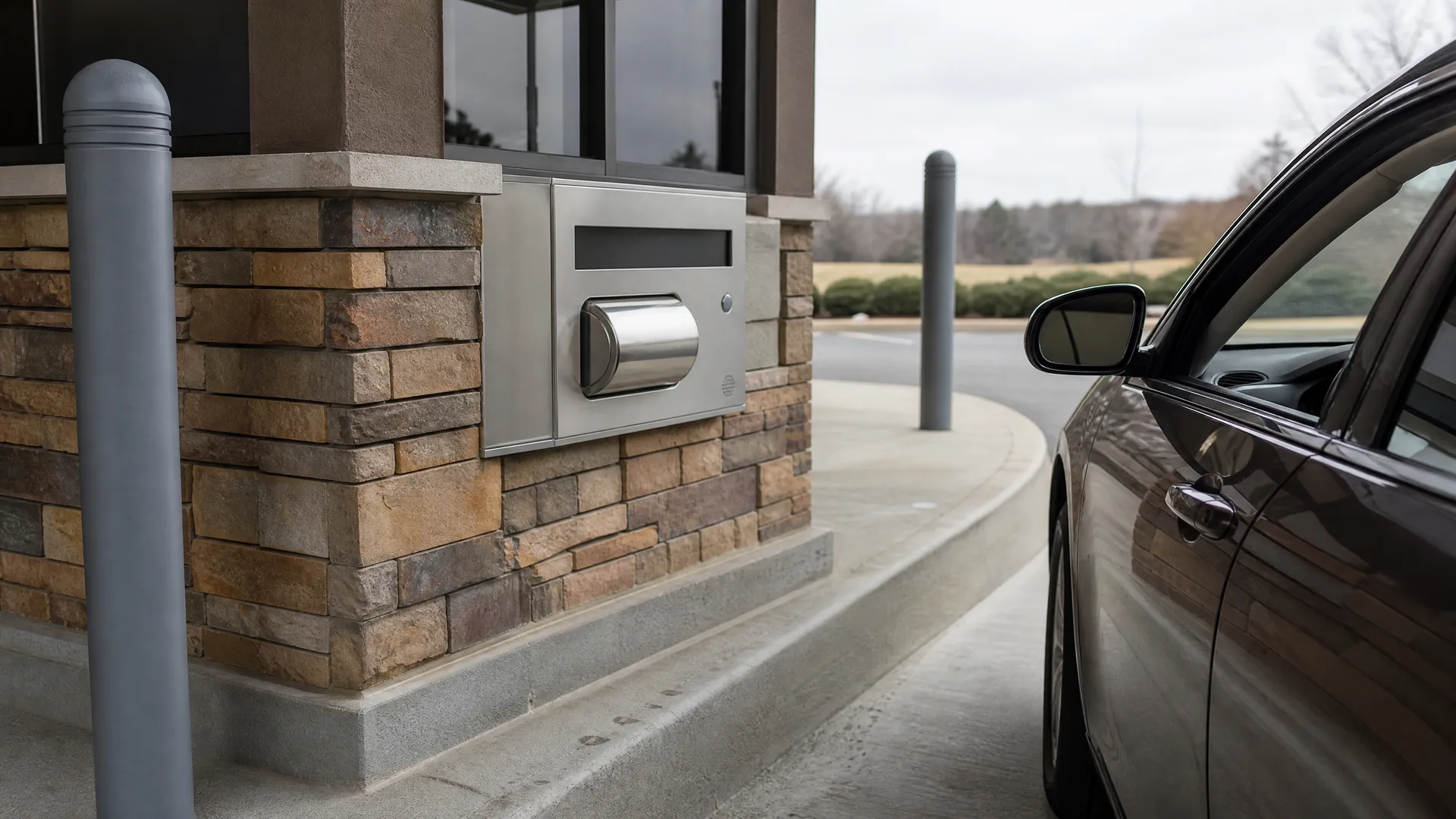
Before you sign a lease, call your current insurer and tell them the exact address where the car will be kept and for how long. Ask whether your policy needs an update, whether coverage amounts change in that state, and whether parking type affects anything. Get their answer in writing or saved in an email if possible. If the landlord requires renters insurance, ask your insurer whether they offer a short-term policy or whether you need to look elsewhere. Do this before you pay a deposit, not after you've already committed to the unit.