What Is a Snowbird Home
A snowbird home is a second residence, often in a warmer state, where you live part of the year while keeping your main home elsewhere.
It's a seasonal second home, not a vacation rental
A snowbird home is a house, condo, or mobile home that someone keeps in a different state and lives in for part of the year, usually during the colder months, while keeping their primary residence elsewhere. It's not a place you rent out to strangers or visit for a week. You actually live there for a stretch of months.
For insurance purposes, what matters is that you have a car, and maybe a second car, splitting time between two states. That affects where your car is registered, which state's rules apply to your coverage, and whether your insurer needs to know about the second address.
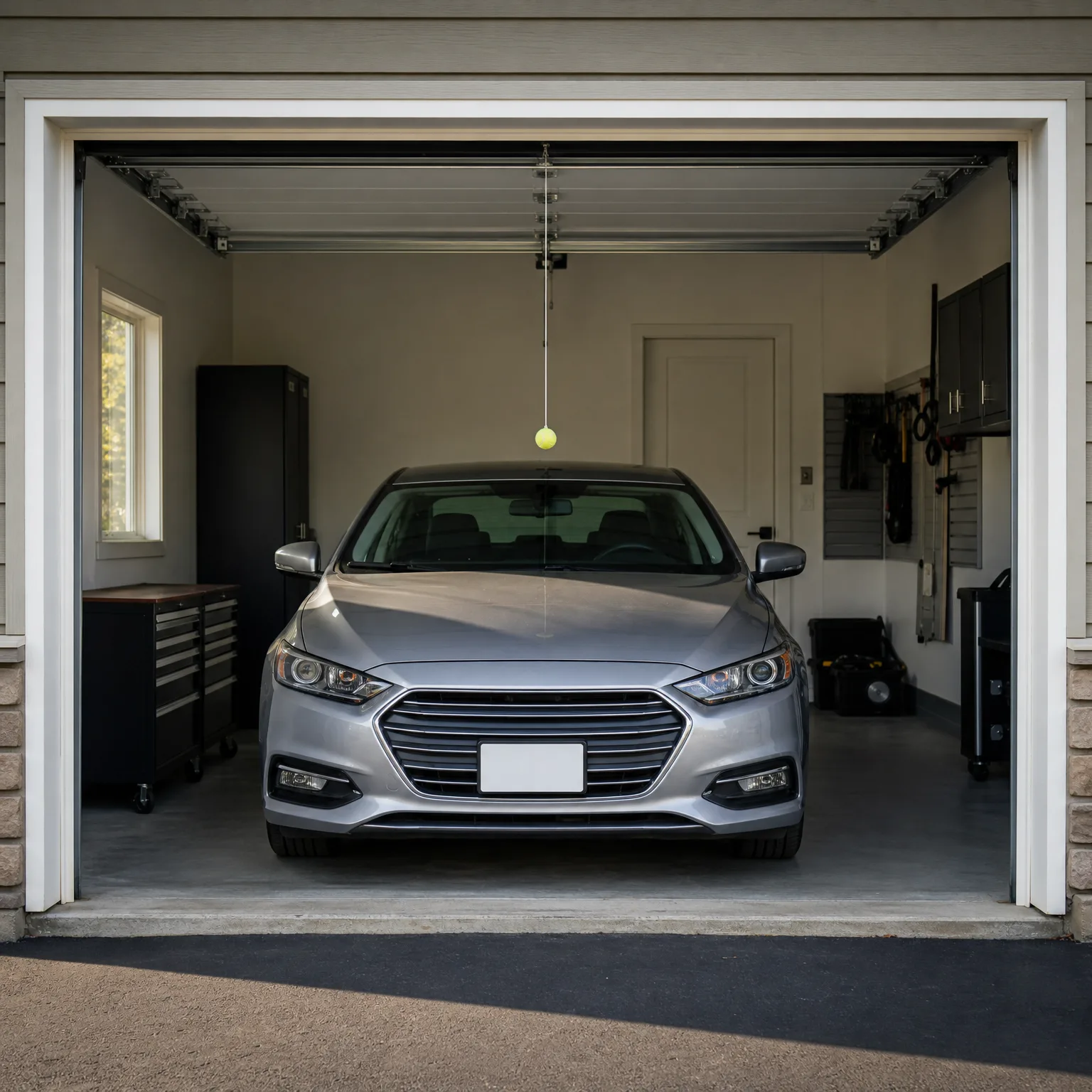
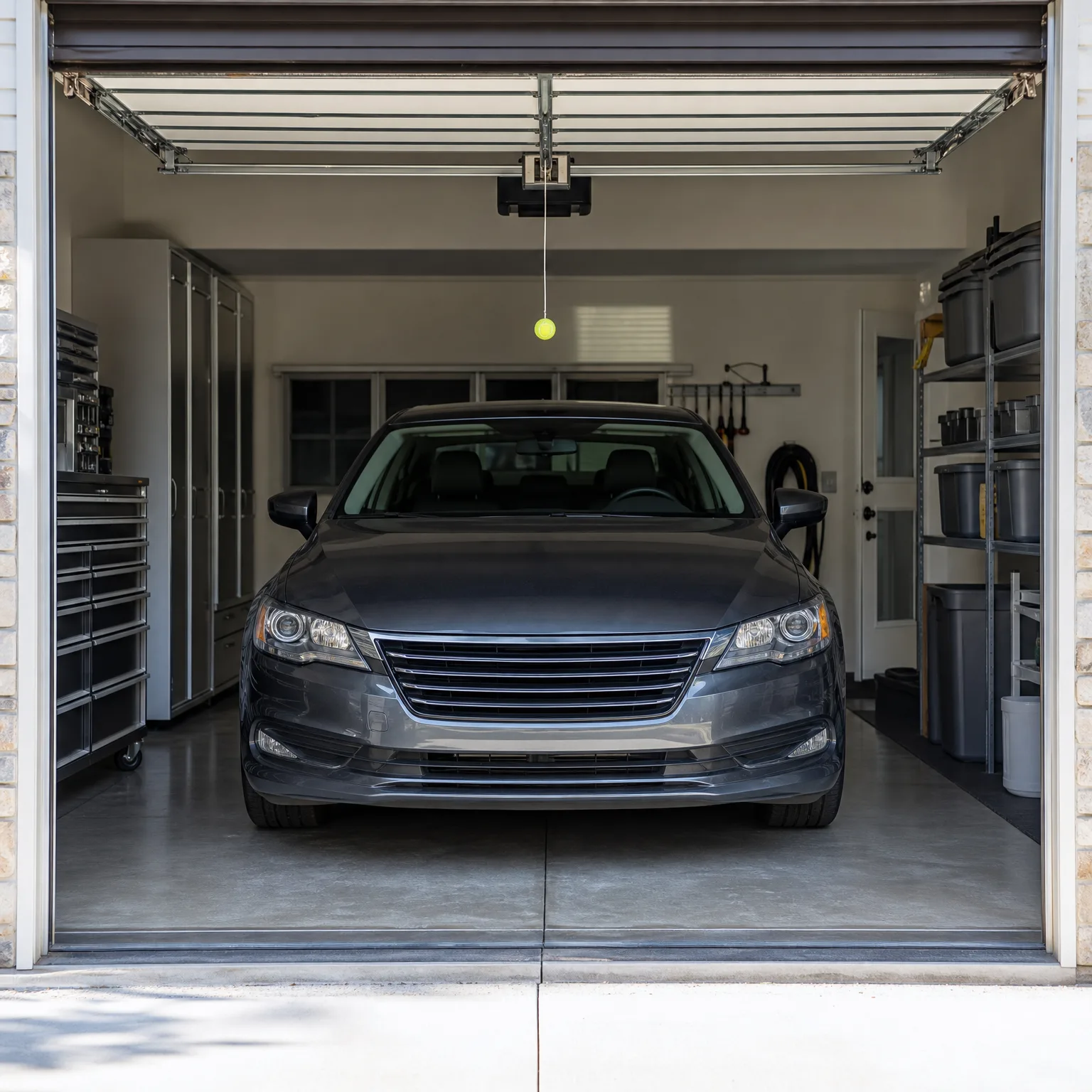
Where your car is actually garaged most of the year
Insurers price a policy partly on where your car spends most of its time. If you keep a car at your snowbird home and drive it there for several months, that location is part of your risk, not just your main address.
This matters because rates, required coverage, and even what's legal to drive can differ by state. If you don't tell your insurer about the second address, you could end up with a policy that doesn't match where the car actually sits most of the year.
The fix is simple. Call your insurer and tell them you split time between two states and where the car is garaged during each part of the year. Ask whether that changes your coverage or your premium.
If you keep a second car at the snowbird home instead of driving the same one back and forth, that car usually needs its own policy or needs to be added to an existing one, registered in the state where it's kept.
What most people get wrong about having two addresses
A lot of snowbirds assume that because they still vote, bank, and get mail at their main address, their insurer doesn't need to know about the second home. That's not a safe assumption. Insurers care about where the car is driven and parked, not just where you're registered to vote.
Another common mistake is letting a policy lapse or switching insurers in the second state without telling the original insurer. This can create a gap in coverage or duplicate coverage you're paying for twice.
If you're not sure whether your state treats you as a resident once you spend part of the year elsewhere, that's a question for your state's DMV, not a guess you want to make yourself. Residency rules vary and affect registration, licensing, and sometimes insurance requirements.
Questions people ask about this
Do I need a separate car insurance policy for my snowbird home?
Not necessarily, but it depends on whether you keep a second car there or drive the same car back and forth. If it's the same car, you likely just need to update your insurer with the seasonal address. If you keep a second car at the snowbird home, it may need its own policy registered in that state. Ask your insurer directly.
Does my car insurance still cover me when I'm away from my home state?
Generally yes, most policies provide coverage anywhere in the country, but the terms can vary by insurer. Check your policy documents or ask your insurer to confirm how coverage works while you're staying at a different address part of the year.
Do I need to change my driver's license if I live somewhere else part of the year?
This depends on your state's residency rules, which vary. Some states have specific thresholds for how long you can stay elsewhere before you're expected to establish residency there instead. Check with the DMV in both states to find out what applies to you.
Will having a snowbird home affect my car insurance rate?
It can, because insurers price coverage partly on where the car is garaged and driven. If your snowbird home is in a state with different rates or risk factors than your main residence, your insurer needs that information to price your policy correctly. Ask them how a second address affects your premium.
What happens if I don't tell my insurer about my second home?
Your insurer may not have accurate information about where your car is actually kept and driven, which could affect a claim if something happens while you're at the second address. It's worth telling your insurer about any seasonal address so your policy reflects how you actually live and drive.
If you split your time between two states, compare quotes that account for both addresses.
Before your next trip to the snowbird home, call your current insurer and tell them about the second address, including how many months a year you're there and whether a car stays there year-round. Ask how that affects your coverage and your rate. If you keep a second car at that home, ask whether it needs its own policy registered in that state. Also check with the DMV in both states about residency and registration rules, since these vary and can affect your license as well as your insurance. Keep a copy of your policy declarations page with you at the snowbird home in case you need to show proof of coverage there.