The Snowbird Life
Splitting the year between two homes means telling your insurer where your car actually sits, for how long, and what it costs you if you don't.
Your policy needs to match where your car really is
If you spend part of the year away from your main address, your insurer needs to know. Where your car is garaged most of the year affects your rate, and some policies have rules about how long a vehicle can sit at a second address before it needs its own coverage there.
This isn't optional paperwork. If you're in an accident at your winter address and your insurer finds out you never told them you spend months there, they can question the claim. The fix is simple: call your agent and say exactly what you do, which months, which address, which car.
Whether you're insured in one state or two
Some snowbirds keep one policy and one address, and just tell their insurer the car travels with them for part of the year. Others end up needing a second policy for a second car kept at the winter home, or for a vehicle they buy there.
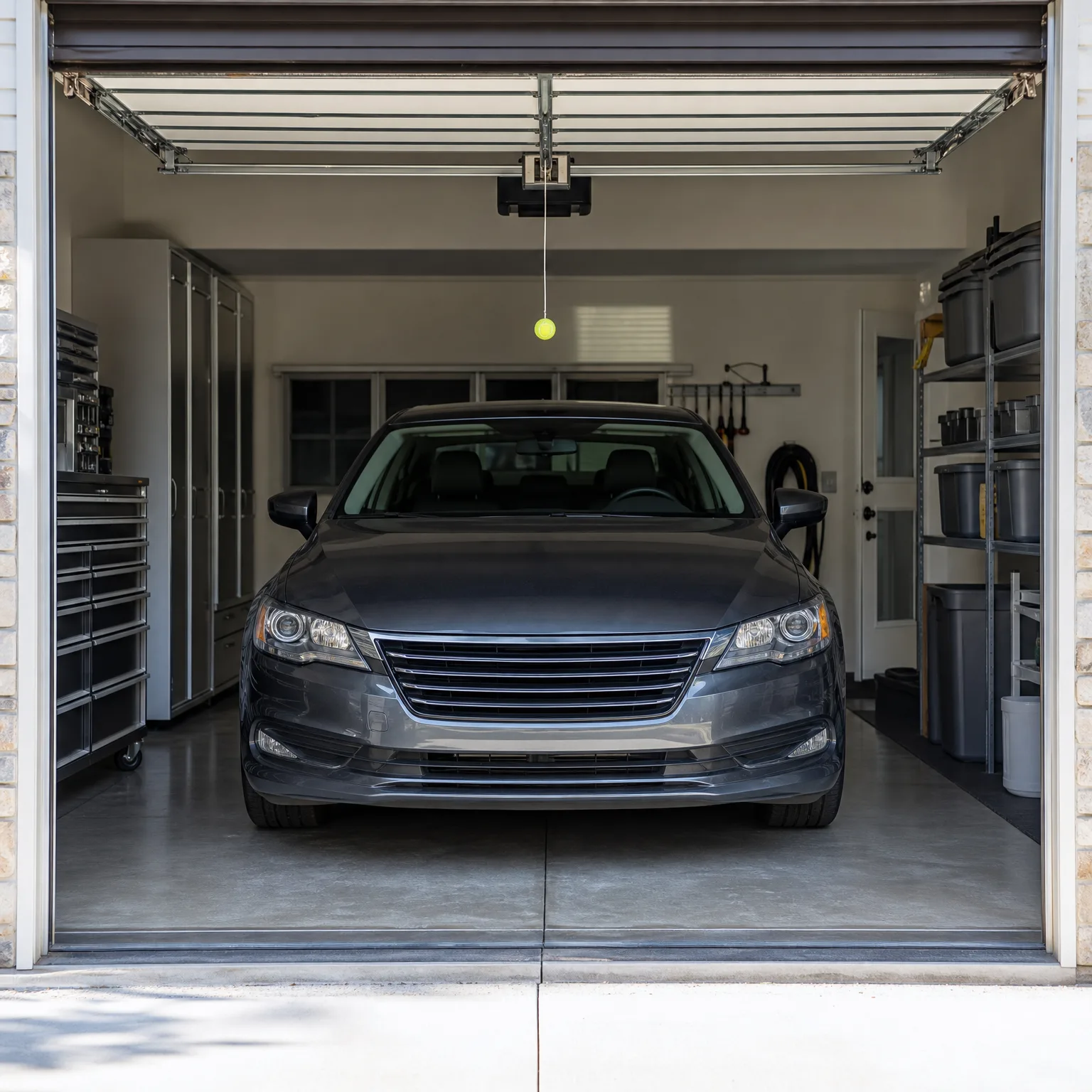
If you keep a car at each address year-round, your insurer may ask you to list both, or insure them separately depending on how long each one sits unused. A car that sits for months without being driven often qualifies for a different kind of coverage while it's parked, and that can lower what you pay during that stretch.
If you drive the same car between both homes, tell your insurer which address is the garaging address, meaning where the car spends most nights. That's usually your main home, but if you're gone five or six months, some insurers want to know that too.
Check with your agent before you go. Ask directly what changes on your policy while you're away, and what changes if you bring a second vehicle into the mix.
What your policy covers while you're out of state
Auto insurance generally follows the car, not a state line, so a policy bought in your home state usually still covers you while driving in another state. But coverage limits are set by your home state's rules, and some states require more or less than others.
If you're going to be gone long enough to get a driver's license in the other state, or register a second car there, that's a different situation and one your insurer needs to know about directly. Holding licenses or registrations in two states at once can create problems if you haven't sorted out which one is primary.
If you rent a place rather than own one, and you're only ever driving a car registered in your home state, you're usually in simpler territory. The main thing is to tell your insurer the truth about where you are and how long you're there, and let them tell you what, if anything, needs to change.
Questions people ask about this
Do I need a separate car insurance policy for my winter home?
Not if you're driving the same car between both places and it's registered in your home state. You'll typically need a separate policy only if you keep a second car at the winter address full time. Ask your insurer how they want that second car listed, since rules vary by company.
Can I register my car in the state where I spend winter instead?
This depends on how long you're there and what that state's residency and registration rules say, since they vary by state. Some states require registration after a certain amount of time spent there each year. Check with the motor vehicle agency in that state directly before you decide.
Will my insurance rate go up if I tell them I'm gone for months at a time?
It depends on your insurer and how they treat a vehicle that's unused for part of the year. Some offer a lower rate for months the car sits parked, since there's less risk of an accident. Ask your agent whether they offer this before assuming your rate will rise.
What happens if I get in an accident in the state I'm not insured in as a resident?
Your home state policy generally still covers you if you're just visiting and driving a car registered there. Problems come up only if you've taken steps like getting a license or registering a vehicle in the second state without updating your insurer. Tell your insurer your travel pattern before anything happens, not after.
Do I need to tell the DMV when I leave for the winter?
Most states don't require this if you still consider your main address home and you're not changing your license or registration there. Some states do ask you to report an absence over a certain length, so check your home state's DMV site. When in doubt, call them directly rather than guessing.
See what a policy built around two addresses would actually cost you.
Before you leave for the season, call your agent and describe exactly how you live: which months at which address, which cars go where, and whether anything stays parked for long stretches. Ask if your rate changes while the car sits unused, and ask what happens to your coverage if you're in an accident at the other address. If you keep a second car there, ask how they want it listed and whether it needs its own policy. Write down what they tell you, since this is the kind of thing worth having in writing before anything goes wrong.