What to Do With Your Car Up North in Winter
If you're leaving the car parked for the season, call your insurer before you go, not after something happens to it.
Tell your insurer what you're doing, don't just park it
A car sitting unused all winter still needs insurance if you want it covered. If something happens while it's parked, a tree limb, a break-in, flood water in the garage, you only get paid if the policy was still active and the right coverage was on it.
Some drivers drop everything but comprehensive coverage while the car isn't being driven, since comprehensive covers the sitting-still risks like theft, fire, and weather damage, and liability doesn't matter if the car isn't on the road. Whether that's the right move depends on your insurer and your state, so ask rather than assume.
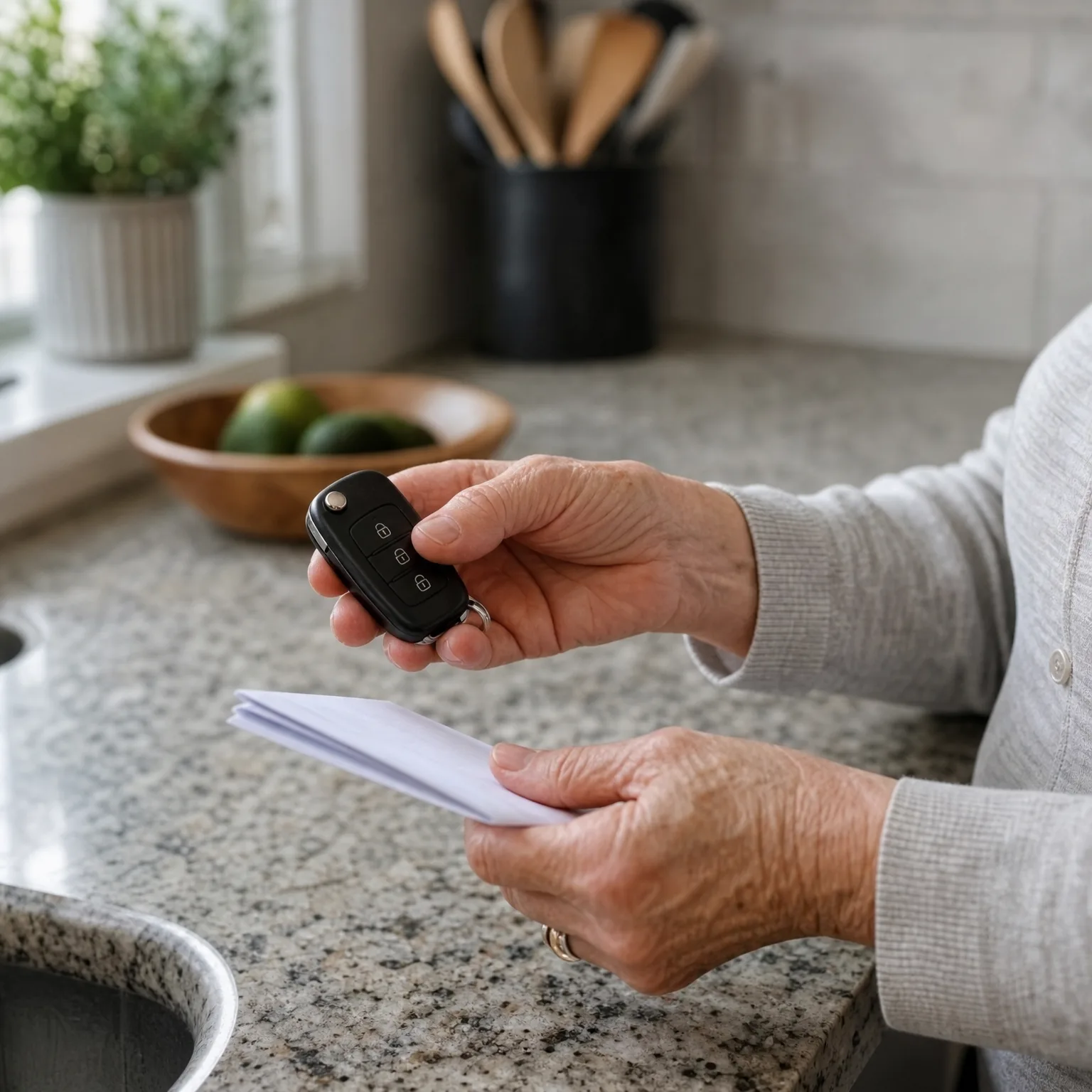
Where the car is parked changes what you need to worry about
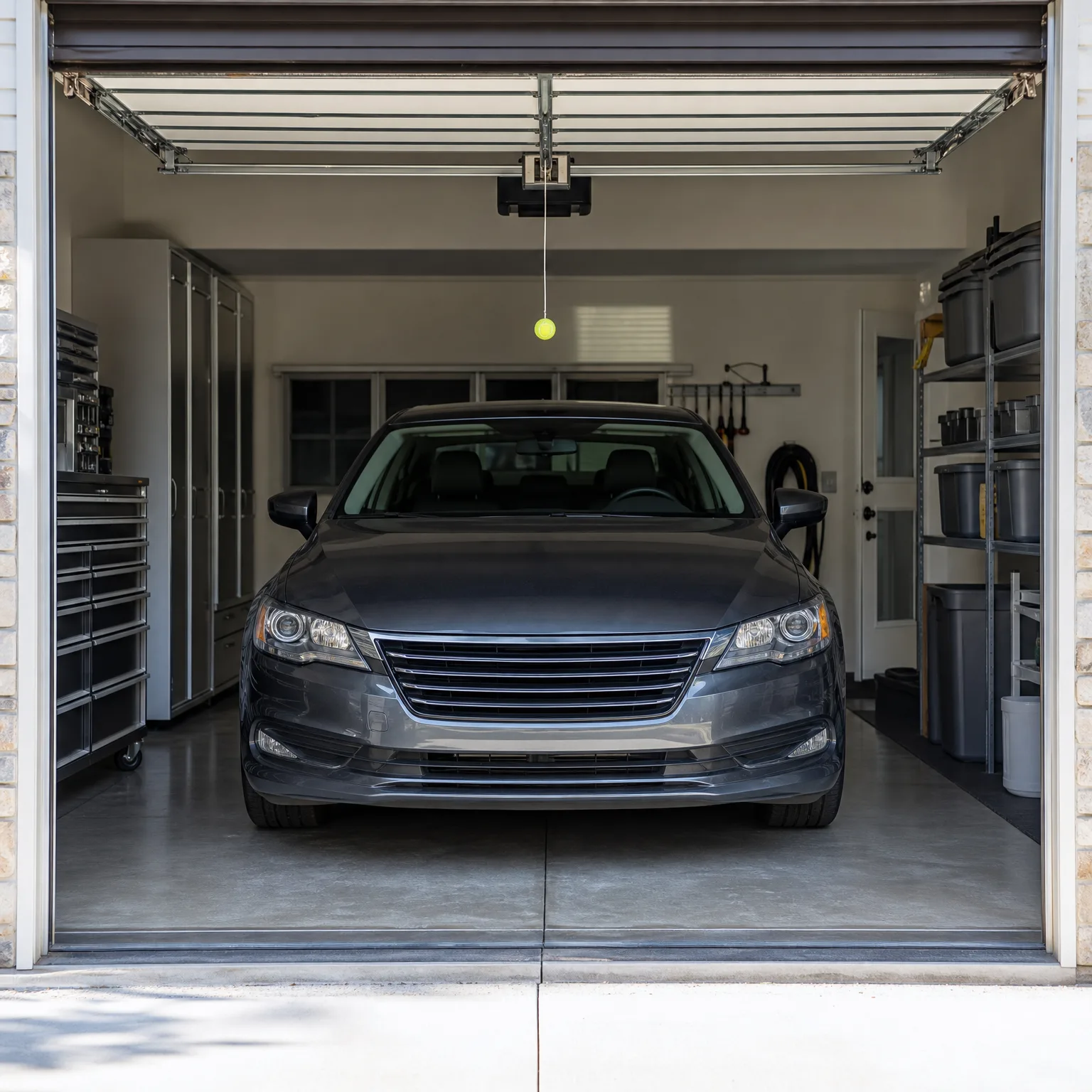
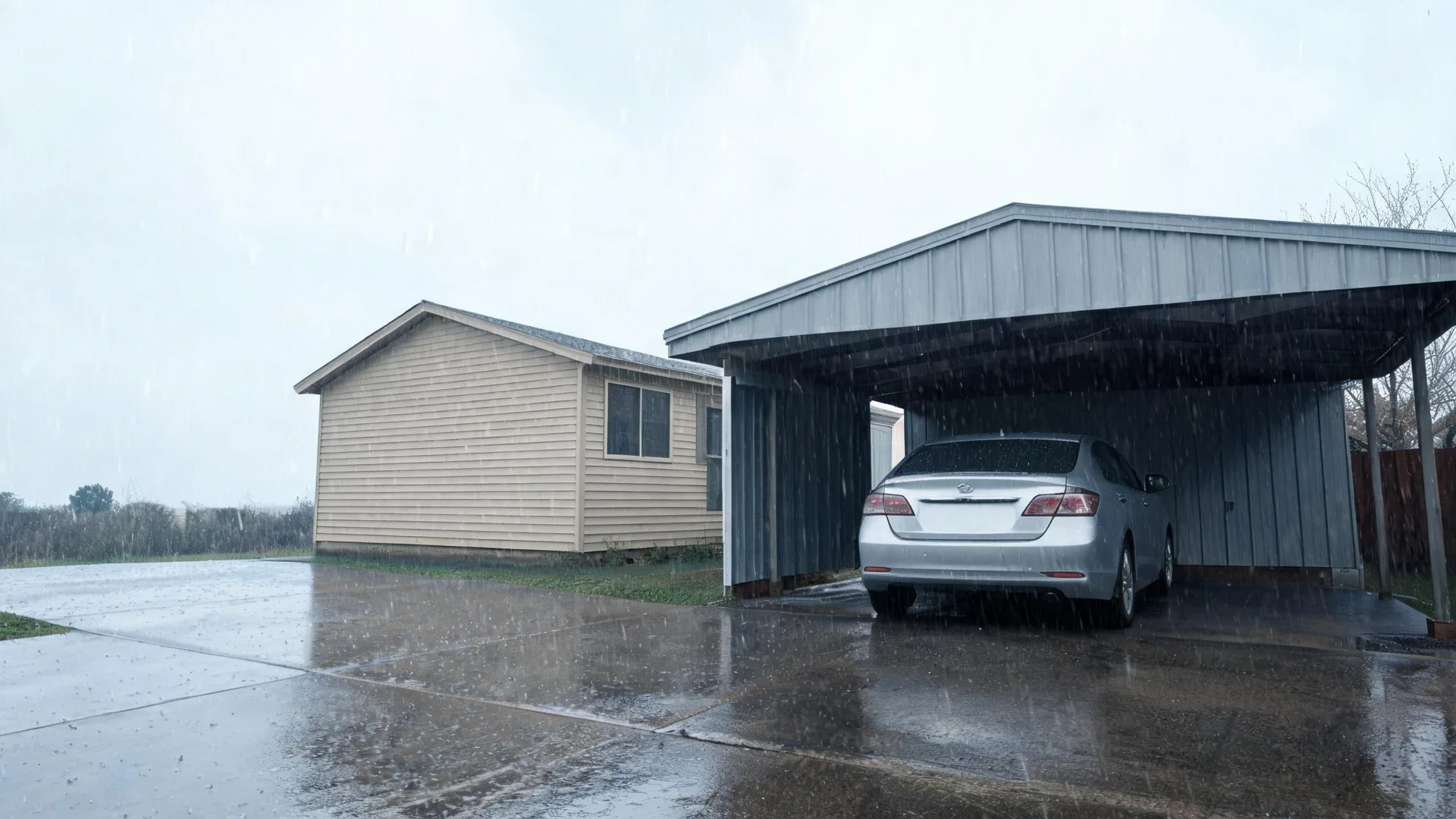
A car in a locked garage is a different risk than one sitting in a driveway or a gravel lot all winter. Insurers take this into account, and so should you. If you have a choice, a garage or covered space cuts down on the weather damage and theft that comprehensive coverage would otherwise have to pay for.
If the car is going to sit outside, ask your insurer whether that changes anything about your coverage or your rate. Some will want to know. Some won't care as long as the policy is active.
Also think about what the cold itself does. A battery left to drain, fluid that freezes and cracks something, a tire that loses enough air over months to damage the rim. None of that is something insurance pays for, since it's wear and neglect, not an accident. That part is on you to prevent.
Letting the policy lapse costs you more than the premium
Canceling the policy entirely while the car sits unused seems like the obvious way to save money, but it carries a cost many drivers don't see coming. An insurer looking at your history later sees a gap in coverage, and a gap can mean a higher premium when you start a new policy, even with a clean driving record otherwise.
Some states also require continuous registration and insurance on any car that isn't formally taken off the road, so canceling the policy without canceling the registration can put you in violation of state law without you realizing it.
If you want to stop paying for coverage you're not using, ask your insurer about suspending the policy or reducing it to comprehensive only, rather than canceling it outright. Ask specifically what happens to your coverage history if you do.
Questions people ask about this
Should I take the battery out of my car for winter storage?
Taking the battery out or keeping it on a trickle charger prevents it from dying over months of disuse, and a dead or damaged battery isn't something your insurance covers. Check your owner's manual for how your specific car handles long periods without being started.
Does my car insurance cover damage from snow and ice while parked?
Comprehensive coverage typically covers weather-related damage like a fallen branch or hail, but check your policy for what counts as covered damage versus gradual wear, since a cracked windshield from a temperature swing may be treated differently than one from a falling limb. Ask your insurer directly if you're not sure.
Can I register my car as non-operational for the winter?
Many states allow you to file your car as non-operational or in storage status, which can suspend registration requirements while it sits unused, but the rules and the paperwork are set by your state's motor vehicle agency. Check with them before you stop insuring or registering the car.
Will leaving my car parked all winter affect my insurance rate?
It depends on how your insurer treats reduced usage. Some offer a lower premium for a car that isn't being driven, since the risk of an accident drops to nearly nothing. Ask your insurer whether they adjust rates for seasonal storage and what they need from you to do it.
What should I check on my car before driving it again in spring?
Tire pressure, battery charge, and fluid levels are the first things to check after months of sitting still, since all three can change without the car being driven at all. It's also worth confirming your insurance policy is back to full coverage before you're back on the road regularly.
See what other insurers would charge for a policy that fits a car you're not driying all winter.
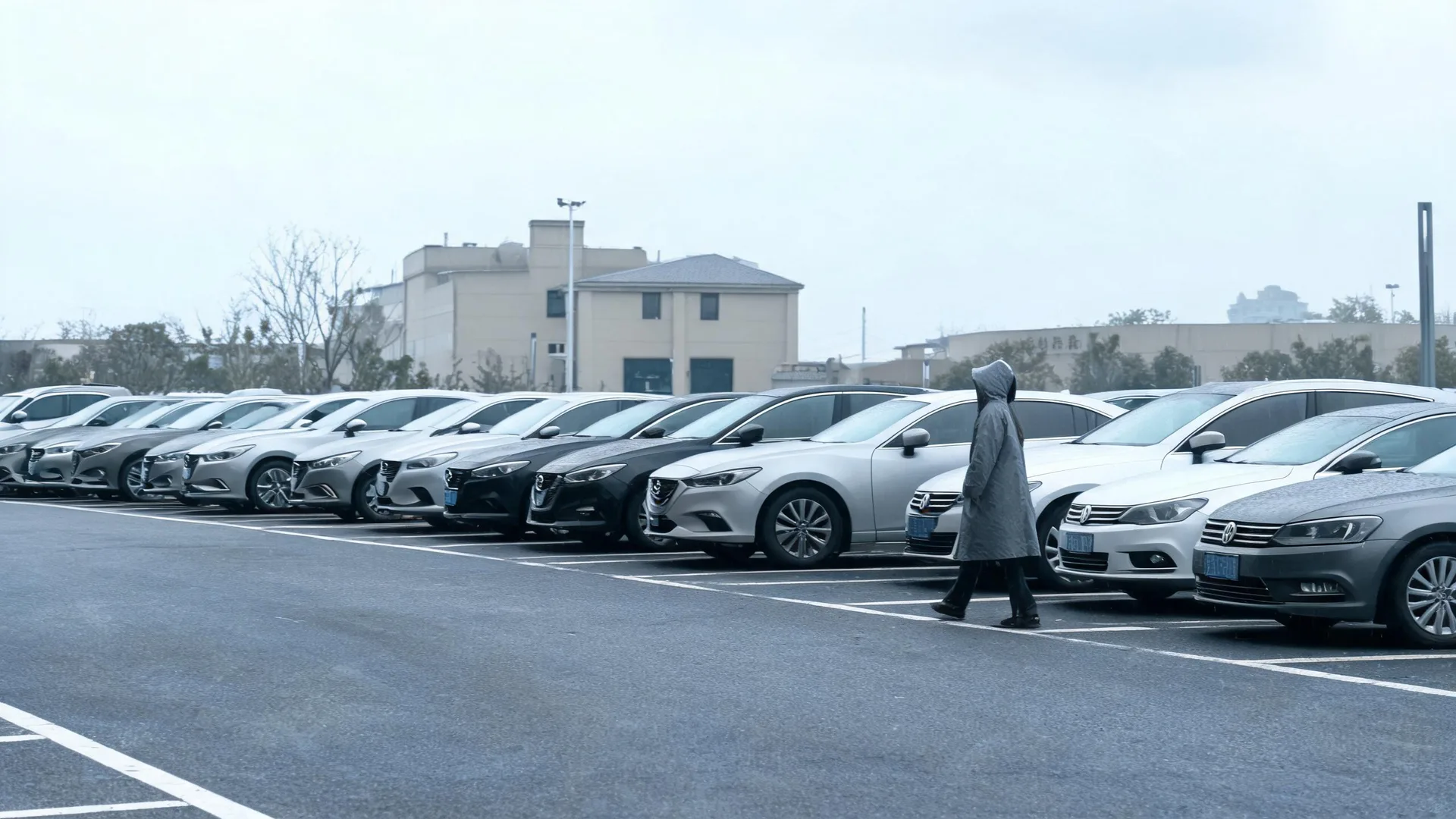
Call your insurer before you leave town and ask three things: what coverage you'd keep if you dropped liability, whether they adjust rates for a car in storage, and what they need from you in writing. Get the answer in writing or by email so there's no dispute later. Check your state's rules on non-operational registration if you're considering that route. Take a few photos of the car's condition before you leave it for the season. And if you're shopping for a new policy anyway, ask any insurer you're considering how they handle seasonal storage before you commit.