How to Protect a Car Left in Florida Over Summer
Keep comprehensive coverage in place and tell your insurer the car will be parked, rather than canceling the policy outright.
Don't cancel your policy. Change what it covers.
A car sitting in a Florida garage or driveway for months still faces storm damage, flooding, theft, and fire. If you cancel your policy to save money, you have nothing if any of that happens, and you may face a lapse when you try to reinsure the car later. The better move is to call your insurer and ask about reducing coverage to comprehensive only, sometimes called storage coverage, while the car isn't being driven.
This keeps you protected against the things most likely to happen to a parked car, while dropping the liability and collision coverage you don't need if no one is driving it. What your insurer offers here varies, so ask directly what they allow and what it costs to switch back when you return.

Your insurer decides what counts as parked
Some insurers have a specific low-mileage or storage endorsement for exactly this situation. Others don't have a formal option and will just tell you to remove collision coverage. Ask your agent or insurer by name what they offer for a car that won't be driven for an extended period, and get the change confirmed in writing or in your policy documents.
Ask what happens if someone does drive the car during that time, even once, for a neighbor checking on the house or a family member passing through. If the policy no longer includes liability coverage, driving it at all could leave that driver uninsured.
Ask how to switch the coverage back when you return, and whether that requires a new inspection, a phone call, or anything else. Find out too whether reducing coverage now affects your renewal premium later, since insurers treat a gap in active driving differently from a gap in coverage.
What you do to the car matters as much as the policy
Florida summers bring heat, humidity, and storm season, and a car left without preparation can come back damaged even if nothing ever hits it. A full tank of gas helps prevent condensation in the fuel system. A battery disconnected or on a maintenance charger avoids a dead battery after months of heat drain. Tires lose pressure sitting still, so checking them before you leave and again when you return matters.
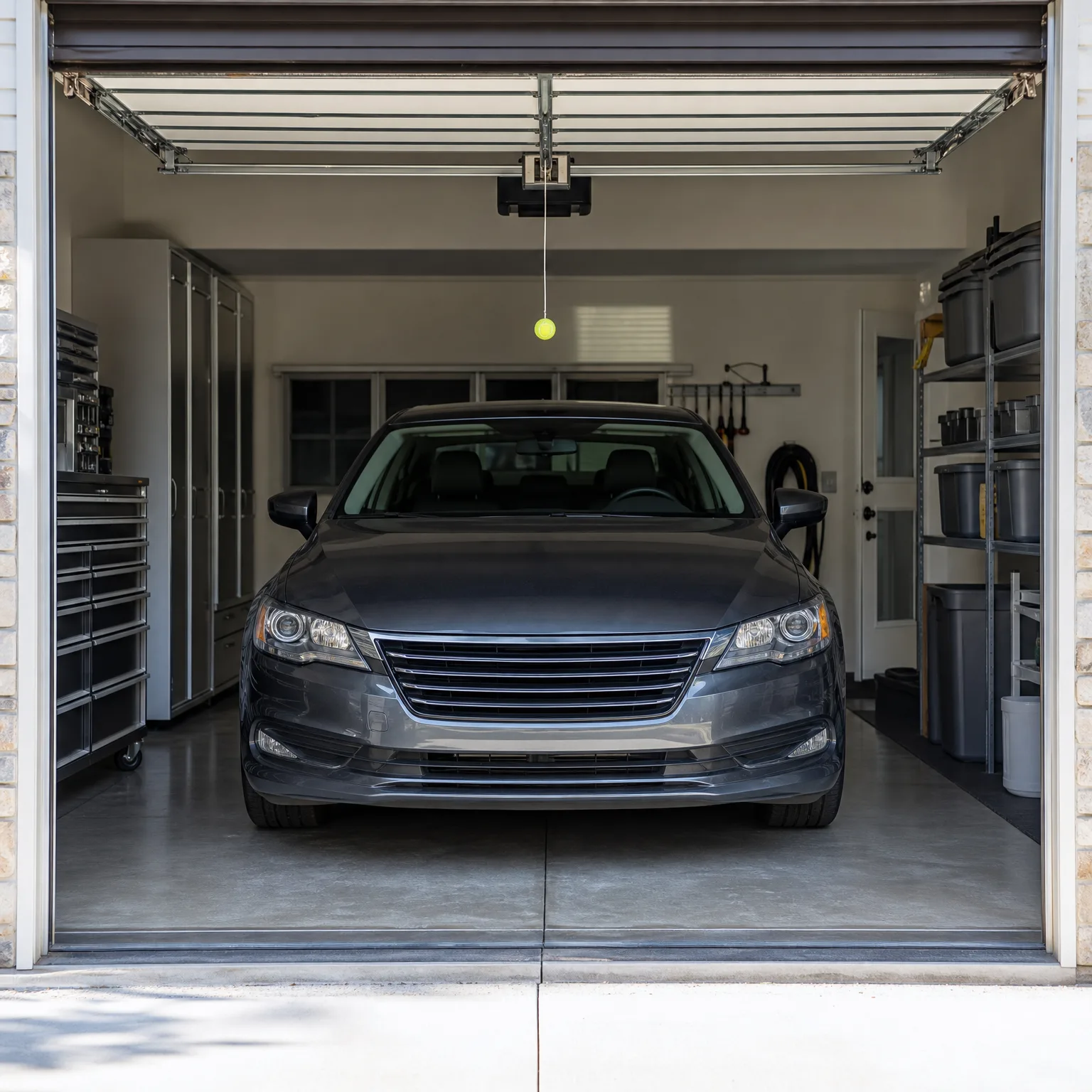
If the car is in a garage, humidity can still cause mold or mildew inside, so leaving a window cracked slightly or using a moisture absorber helps. If it's outside, a breathable car cover protects against sun and rain without trapping moisture the way a sealed tarp does.
If a storm is forecast for your area while you're gone, know who can move the car to higher ground or a safer location, and make sure that person is listed as a permitted driver on your policy if there's any chance they'll need to drive it.
Questions people ask about this
Can I suspend my car insurance completely while I'm away?
Most insurers won't let you suspend a policy entirely without canceling it, since that would leave no protection if something happens to the car. What they can usually do instead is reduce your coverage to comprehensive only. Ask your insurer directly what their actual options are, since this varies by company.
Does my policy still cover hurricane damage if the car is parked and unused?
Comprehensive coverage typically covers storm and flood damage whether the car is being driven or sitting parked, but this depends on keeping comprehensive coverage active on the policy. If you drop that coverage entirely to save money, storm damage would not be covered. Confirm with your insurer exactly what comprehensive includes in your policy.
Who can legally drive my car while I'm out of state?
This depends on who is listed on your policy as a permitted driver, not just who has a key. If a neighbor or family member needs to move the car for any reason, check with your insurer first about whether they're covered to drive it, especially if you've reduced your coverage for the summer.
Will leaving my car unused for months affect my insurance rate?
It can affect your rate, but the direction depends on your insurer. Some reward low mileage with a lower premium at renewal, while others base rates on continuous coverage type rather than usage. Ask your insurer how they calculate your renewal rate if you switch to reduced coverage for part of the year.
Should I remove my license plate from a car I'm leaving in Florida?
Whether you can or should depends on Florida's rules for registration and plates, which are set by the state. Check with the Florida Department of Highway Safety and Motor Vehicles about what's required for a vehicle that will sit unused, since removing a plate incorrectly can create its own registration problems.
If you're changing your coverage for the summer, it's worth seeing what other insurers would charge for the same protection.
Before you leave, call your insurer and ask specifically about switching to comprehensive-only or storage coverage for the months the car will sit unused. Get the change, the cost, and the process for switching back in writing or confirmed by email. Prepare the car itself with a full tank of gas, a disconnected or trickle-charged battery, and checked tire pressure. Decide who, if anyone, will have access to move the car during a storm, and make sure that person is covered to drive it under your policy. Write down the date you plan to return and switch coverage back, so it doesn't slip past you.