What Is the Cheapest Way to Be a Snowbird
Keeping one address as your true home base, and insuring everything around it, is what keeps the cost down.
Keep one home as your primary residence
The cheapest way to split your year between two places is to pick one of them as your real home and keep your insurance, your registration, and your address tied to it. Moving your car insurance back and forth between two states, or trying to carry two full policies, costs more than almost anything else you could do.
This works because insurers price a policy around where the car is mostly kept and where you mostly live. Pick the state where your costs are lower, where that's honestly where you spend most of your year, and build your travel around that. The savings come from simplicity, not from a special snowbird discount, because most insurers don't have one.

Your state of residence decides more than your insurer does
Car insurance rates vary by state because each state sets its own rules for coverage requirements, and insurers price risk differently depending on the roads, weather, and claims history in that state. If you genuinely split time between two states, you'll pay less by declaring residence in whichever one has lower typical costs for your situation, as long as you can honestly meet that state's residency rules.
This isn't something you can pick for convenience. States look at where you're registered to vote, where your driver's license is issued, and sometimes how many days a year you're actually there. If you claim residency somewhere you don't really live, you risk your insurer denying a claim later on the grounds that you misrepresented where the car is kept.
Before you commit to a state, call your current insurer and ask how they'd rate your policy if your address changed to the other location. Ask whether they even write policies there, because not every insurer operates in every state. If they don't, you'll need a new policy anyway, and that's worth knowing before you move anything.
If you own property in both states, check whether your homeowners or renters coverage follows the same logic. A second home usually needs its own policy regardless of where your car is insured.
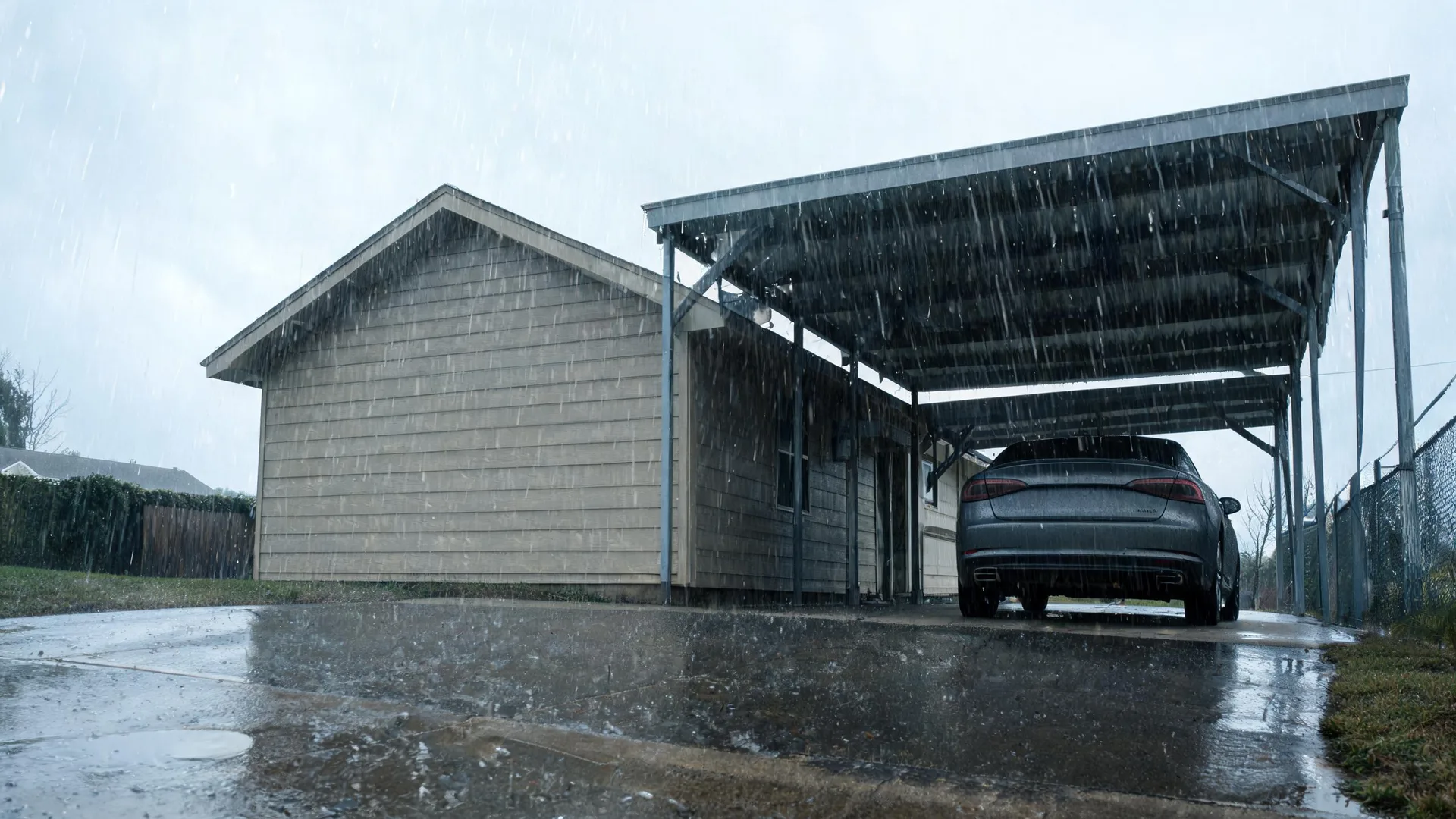
How you insure the car you leave behind matters as much as the car you drive
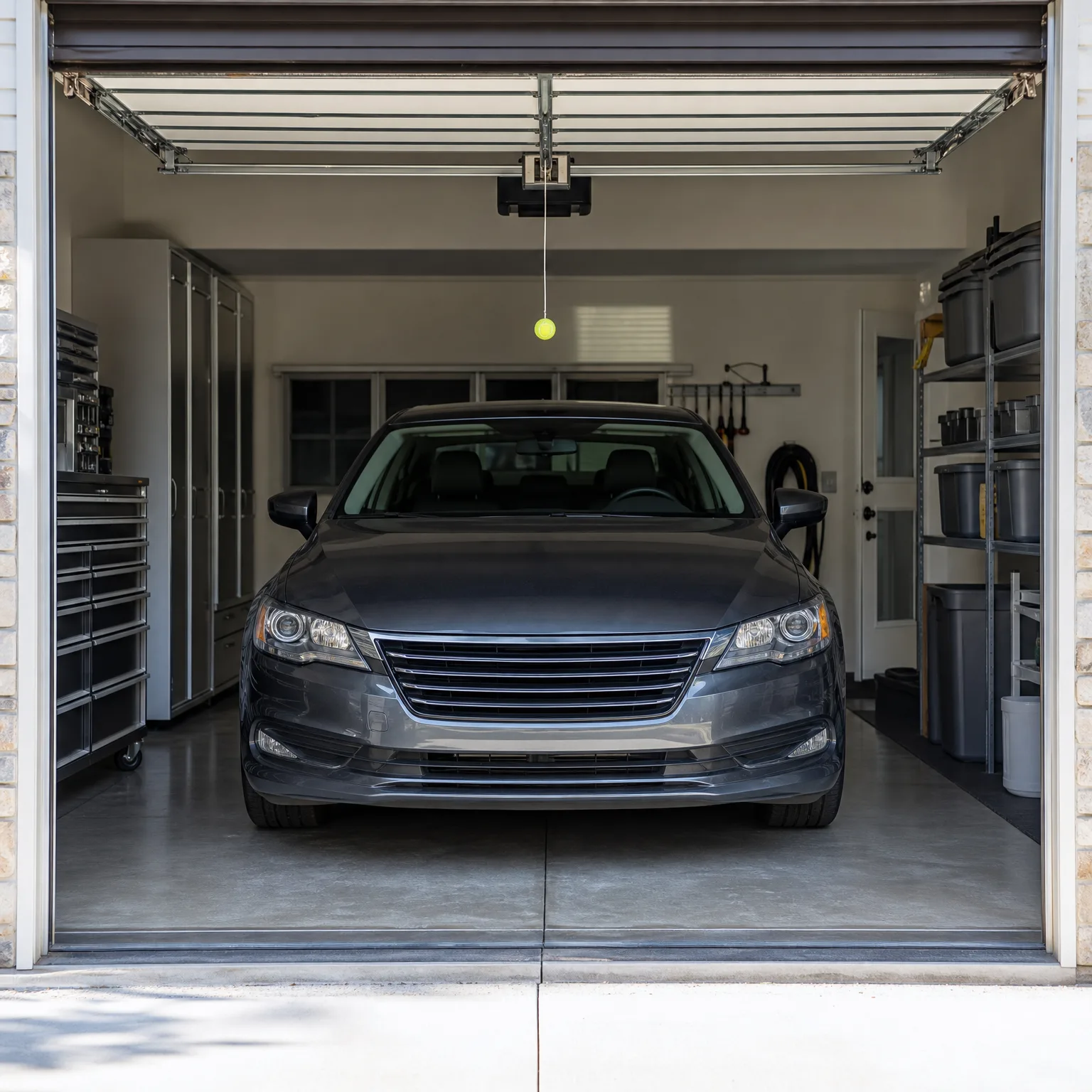
If you keep a car parked for months at your second home, ask your insurer about reducing coverage during the months it isn't driven rather than cancelling the policy outright. Letting coverage lapse entirely can mean a gap that follows you, since insurers often charge more once they see a break in continuous coverage.
Some insurers offer a lower rate for a vehicle that's stored and not driven daily, since the risk of an accident drops when the car sits in a garage for part of the year. Ask specifically whether they adjust for that, since it isn't automatic and isn't offered everywhere.
If you're driving one car between two homes instead of keeping two cars, your insurer needs to know both addresses where the car is regularly kept. Leaving one off the policy can cause problems if something happens while you're at the address they don't know about.
A lot of people focus on finding a snowbird discount that doesn't really exist and overlook the simpler move, which is making sure the coverage matches how the car is actually used in each place.
Questions people ask about this
Can I use a mail forwarding address instead of changing my residency?
A mailing address alone usually isn't enough to establish residency for insurance or registration purposes. Insurers and state agencies generally look at where your driver's license is issued and where the car is principally kept, not just where your mail goes. Check with your state's DMV for what actually counts as proof of residency there.
Do I need two car insurance policies if I keep a car at each home?
You generally need a separate policy for each car unless your insurer can cover both vehicles on one policy at different addresses, which some will do and some won't. Ask your insurer directly whether they can write a single policy covering two vehicles kept in two states, since this varies by company.
Will my insurer cancel my policy if I spend most of the year somewhere else?
An insurer can decide not to renew your policy if your actual residence no longer matches what's on file, since that affects how they price your risk. Tell your insurer about your travel pattern upfront rather than letting them find out later, since an undisclosed change can also affect whether a claim gets paid.
Does my auto insurance still cover me when I'm driving in the other state?
Your policy generally covers you while driving in any state, since auto insurance follows the car rather than stopping at a state line. What can change is whether your coverage meets the minimum requirements of the state you're driving in, so it's worth asking your insurer to confirm.
Should I change my car insurance every time I move between homes?
Switching policies twice a year usually costs more in fees and paperwork than it saves, and it can also create gaps in coverage. Most people are better off choosing one home base for insurance purposes and keeping that steady, then asking their insurer how to handle the months spent elsewhere.
See what your coverage would actually cost if you made one of these two homes your base.
Before your next renewal, call your current insurer and tell them exactly how you split your year between the two homes. Ask them directly whether they write policies in the other state, how they'd rate you if you moved your residence there, and whether they offer anything for a car that sits unused part of the year. Pull out your renewal notice and your vehicle registration so you have your current numbers in front of you during the call. If their answers don't add up to savings, get quotes from a couple of other insurers who operate in both states before you change anything. Make any changes to your residency or registration only after you've confirmed how it affects your coverage, not after the fact.