Can You Have Two Car Insurance Policies in Different States
It's legal to hold two policies in two states, but each one has to match where that car is actually kept and driven.
Yes, but each policy has to reflect where that car lives
You can have two car insurance policies in different states if you have a real reason, like a second home you spend real time in, a car kept at a family member's place, or a vehicle garaged in a state where you work part of the year. Each policy covers the car registered and garaged in that state.
What you can't do is insure the same car twice, or buy a policy in a state you don't actually have a connection to just because the rates look better there. Insurers ask where a car is garaged and will use that address to set your rate and decide what state's rules apply. If that address isn't accurate, it can cause problems later, especially if you file a claim.
Where the car is actually garaged decides which policy applies
Insurance is written around a garaging address, the place a car is kept overnight most of the time. If you split your time between two states and each one has a car, the one parked in each state typically needs a policy from that state, often from an insurer licensed there.
This matters because rates, coverage requirements, and minimum limits are all set at the state level. A policy written for one state's rules doesn't automatically satisfy another state's requirements if you move the car there permanently.
If your situation changes, say the car that used to sit in one state now stays in the other most of the year, tell your insurer. The garaging address is one of the first things they check if you ever file a claim, and a mismatch can hold up the payout or affect your coverage.
If you're not sure whether your situation counts as a legitimate second address or a workaround, ask the insurer directly how they define garaging and what proof they want, like a lease, a second home deed, or a work assignment.
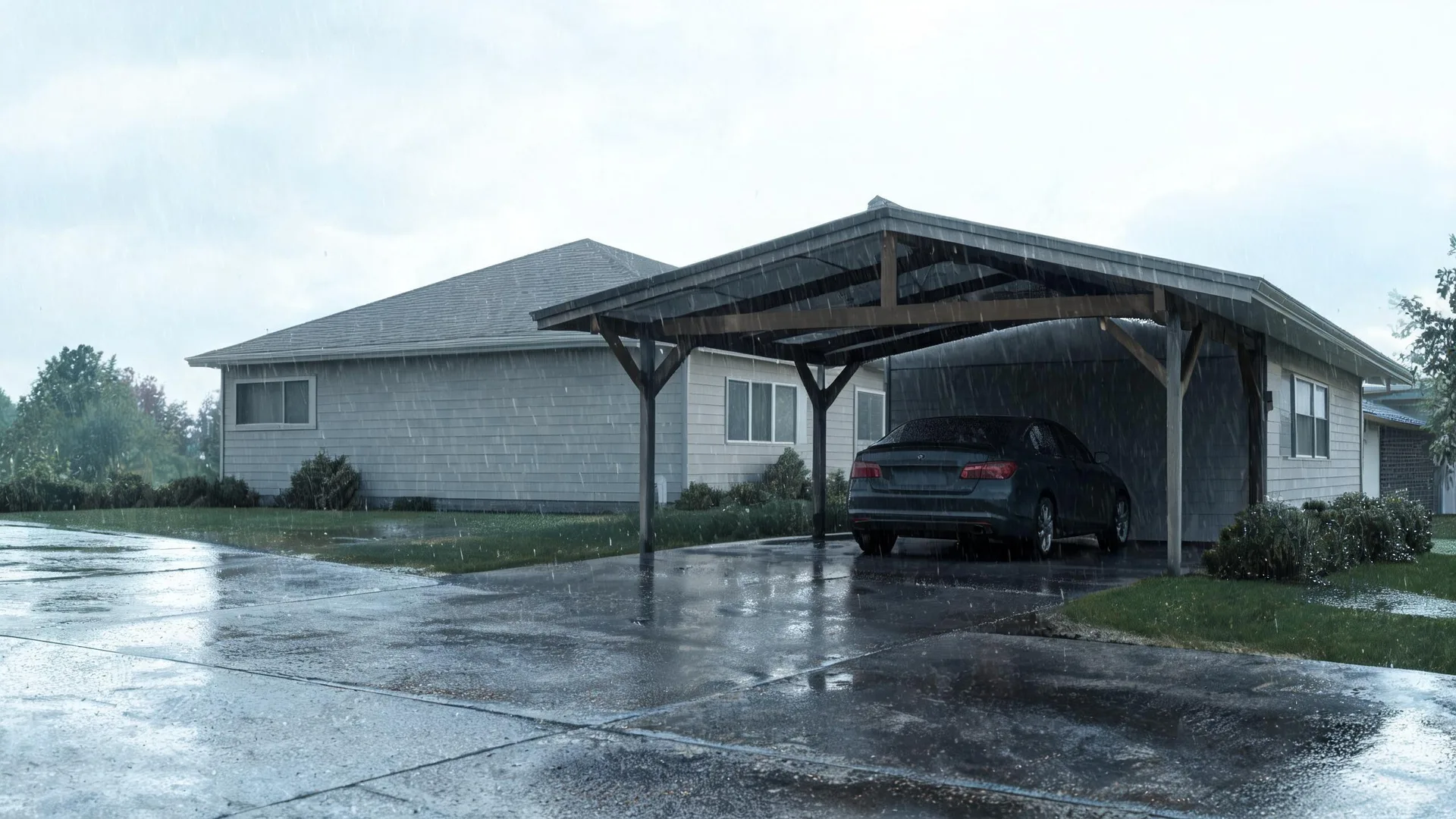
What people get wrong: using two policies to chase a cheaper rate
The most common mistake is trying to insure a car in a state with lower premiums while actually keeping it somewhere else. Insurers cross check registration, garaging address, and sometimes even where claims come from. If the details don't line up, they can cancel the policy or deny a claim.
A second policy only makes sense when there's a second car, or when a car genuinely splits its time between two states in a way you can document. If you're moving for good, the right move is usually to cancel the old policy and set up new coverage in the new state, not run two at once.
If you do have a legitimate reason for two policies, ask each insurer whether they know about the other policy and the other vehicle. Some will ask directly, since it affects how they assess risk and set your rate.
Questions people ask about this
Can I use my parents' address for car insurance if I live elsewhere?
This depends on whether you actually live or garage your car there, not just whether it's convenient. Insurers consider this misrepresentation if the address doesn't match where the car is really kept, and it can affect a claim later. If you split time between two places, ask the insurer how they want that documented.
Do I need a new car insurance policy if I move to a different state?
In most cases, yes, since your current insurer may not be licensed to write policies in your new state or your old policy may not meet the new state's minimum coverage. Check with your insurer as soon as you know your move date, since many allow a window to transfer or rewrite the policy before you have to cancel and start fresh.
Can my adult child have their own car insurance policy in a different state than mine?
Yes, if they live in that state and the car is garaged there, they can have a separate policy from their own insurer. This is common when an adult child moves away for work or school and keeps a car with them full time. Make sure the old policy is updated or they're removed from it, so there's no overlap or confusion if a claim comes up.
What happens if my car insurance company finds out I garage my car in a different state than I told them?
They can reassess your policy, adjust your premium, or in some cases cancel the policy, since garaging address is one of the main things they use to set your rate and determine which state's rules apply. If this happens after a claim, it can also affect whether the claim is paid. The safest approach is to update your insurer as soon as your garaging situation changes.
Can I keep my out of state car insurance after I register my car in a new state?
Usually not, since most insurers require the policy to match the state where the car is registered and garaged. Once you register in a new state, that state's insurer and its minimum coverage rules generally apply. Ask your current insurer whether they're licensed in your new state and can transfer the policy, or whether you'll need to shop for new coverage there.
If you're weighing a second policy or a move between states, it helps to see what a policy matched to your actual situation would cost.
Before you set up a second policy, gather proof of why the car is in that state, a lease, a deed, or a work assignment letter. Call your current insurer and ask directly how they define a garaging address and what happens if a car splits time between two states. If you're moving for good rather than keeping a second home, ask about the timeline for canceling your old policy and starting a new one so there's no gap in coverage. Check the new state's minimum coverage requirements, since they may differ from what you have now. If anything about your situation doesn't fit neatly into what the insurer asks, say so before you buy the policy, not after a claim.