What Is the Best Way to Store a Car for Long Term Storage
Keep the battery, tires, and fuel system from degrading, and tell your insurer the car is off the road.
A clean, dry space and the right policy coverage
The best way to store a car long term is in a garage or covered space, with the tires properly inflated or off the ground, the battery disconnected or on a maintainer, and fresh oil and a full tank of stabilized fuel. Moisture and sitting tires do more damage over months than almost anything else.
The other half of storing a car well is telling your insurer. If the car won't be driven, you may be able to switch to a storage or comprehensive-only policy, which costs less than full coverage but still protects against fire, theft, and weather. What your insurer offers depends on the company, so this is worth a call before you park it.
Where and how you store it changes what can go wrong
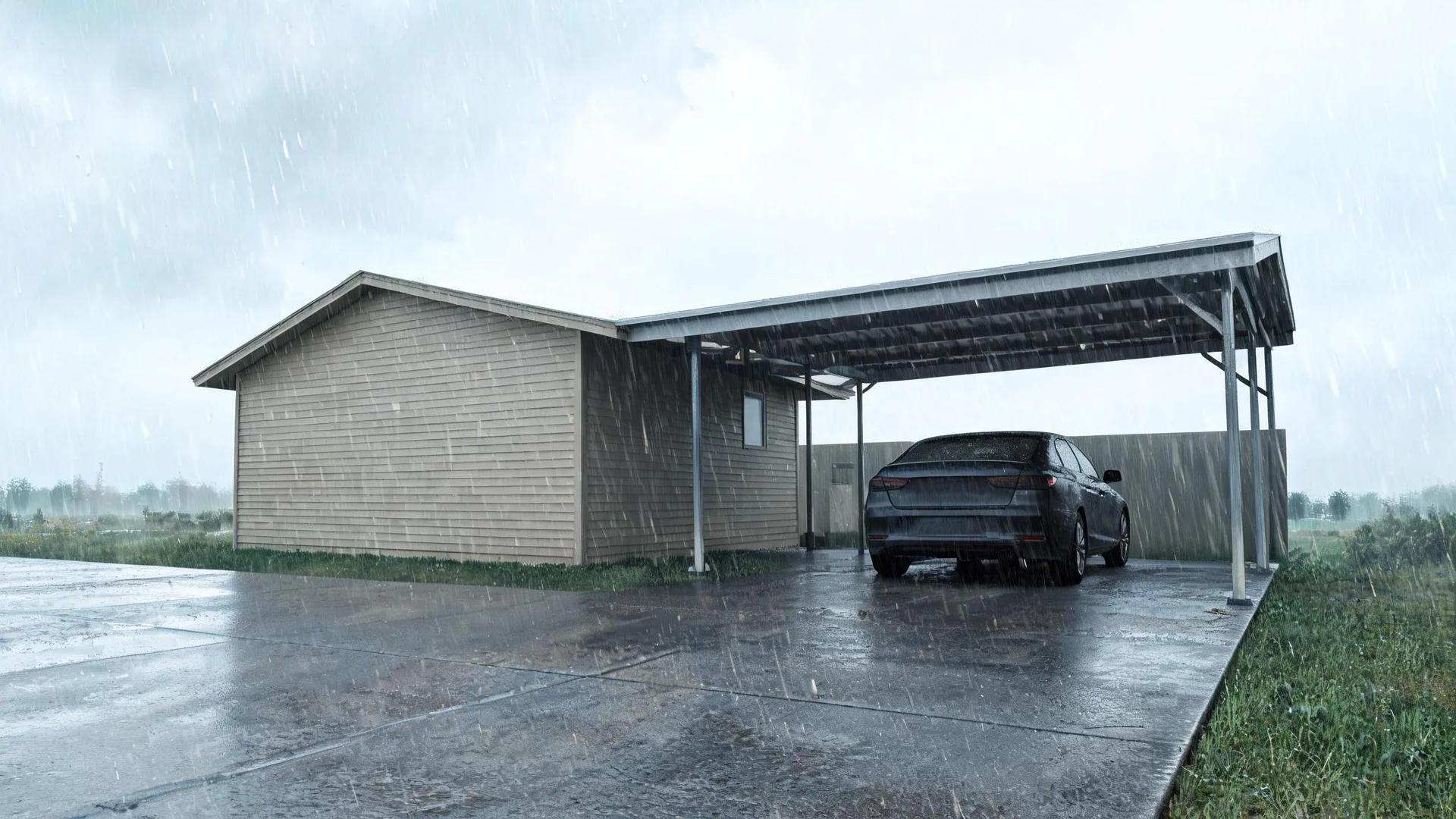
A car parked outside is exposed to sun, rain, and temperature swings that a garaged car isn't. UV light breaks down paint and rubber, and moisture works into places you can't see, including brake lines and the underside of the body. If a garage isn't available, a breathable car cover helps, but a cover on a wet car traps moisture against the paint.
Tires develop flat spots when a car sits in one position for a long time, especially on a cold concrete floor. Moving the car a few inches every so often, or using tire cradles, prevents this. Some people jack the car up so the tires carry no weight at all.
A battery left connected will drain and can struggle to hold a charge again. A battery maintainer, sometimes called a trickle charger, keeps it at the right level without overcharging it. Disconnecting the battery entirely works too, but some cars reset settings like the clock or radio presets when the battery is disconnected.
Fuel left sitting for months can degrade and gum up the fuel system. A full tank with a fuel stabilizer added before storage prevents this better than a partly empty tank, which allows more condensation to form inside.
What your insurer needs to know
If a car won't be driven for an extended period, most insurers have some version of a storage policy or a way to reduce coverage to comprehensive only, which drops liability and collision but keeps protection against theft, fire, vandalism, and weather damage. This usually costs less than a full policy, but the exact options and savings depend on the insurer.
Dropping coverage entirely is rarely a good idea even for a car that isn't moving. A stored car can still be damaged by a fire, a falling tree, or a break-in, and without comprehensive coverage that cost falls entirely on the owner.
If the car will be stored in a different location than where it's usually kept, such as a family member's garage in another state, mention that too. Where a car is garaged can affect the policy, and an insurer may need to know if it's different from the address on file.
Before making any change, ask the insurer directly what storage option they offer, what it covers, and how to switch back to full coverage when the car comes out of storage.
Questions people ask about this
How often should I start a car in storage?
This depends on how the car is stored and for how long, so check with a mechanic or the owner's manual for guidance specific to the car. Starting a car briefly without driving it can sometimes do more harm than good, since it allows condensation to build up in the exhaust and oil without burning off properly. A battery maintainer is often a better solution than periodic starts.
Should I remove the wiper blades before long term storage?
Many people do, since wiper blades can bond to the windshield or develop flat spots if left in one position for months. If you leave them on, lifting them away from the glass with a cloth or foam block underneath prevents sticking. This is a small step but an easy one to overlook.
Does a stored car still need an emissions or safety inspection?
This depends on the state and whether the car stays registered during storage. Some states allow a registration to be suspended for a stored vehicle, which can also pause inspection requirements, while others don't. Check with your state's motor vehicle agency before assuming either way.
What's the difference between comprehensive only coverage and full coverage?
Comprehensive only coverage protects against things like fire, theft, vandalism, and weather damage, but drops liability and collision coverage, which only apply while a car is being driven. It costs less than full coverage because it covers fewer situations, but the exact savings and terms depend on the insurer. Ask your own insurer how their version of this works before switching.
Can I cancel my car insurance completely while it's in storage?
You can, but most insurers and some states don't allow coverage to lapse and then resume without a gap affecting your rate later. A lapse in coverage can also make it harder to get a competitive rate when you're ready to insure the car again. Comprehensive only coverage is usually a safer middle ground than cancelling entirely.
If you're changing how the car is insured for storage, it's worth comparing what different insurers offer before you decide.
Before you park the car, call your insurer and ask what storage or comprehensive only options they offer and how much it would change your premium. Have your policy number and the car's expected storage length ready, since some insurers base the option on how long the car will sit. Take care of the physical steps too: a full tank with stabilizer, correct tire pressure or tires off the ground, and a battery maintainer if the car will sit for more than a few weeks. If the car will be stored somewhere other than its usual address, mention that as well. When you're ready to drive again, call back to restore full coverage before the car goes back on the road.