Do I Really Need Storage Insurance
It depends on where the car is stored and what your current policy already covers while it sits unused.
You need it if your regular policy stops covering the car while it's parked
Some insurers let you drop collision and keep comprehensive while a car sits in storage, which covers fire, theft, and weather but not driving. Others require you to keep the full policy in place or cancel it entirely. Storage insurance matters when neither of those options fits, usually because the vehicle is sitting somewhere your current insurer won't cover at all, like a storage facility outside your policy's terms.
If you're storing a car you still own but aren't driving for a season or longer, call your insurer first and ask what they allow. Many will adjust your coverage rather than require a separate policy.
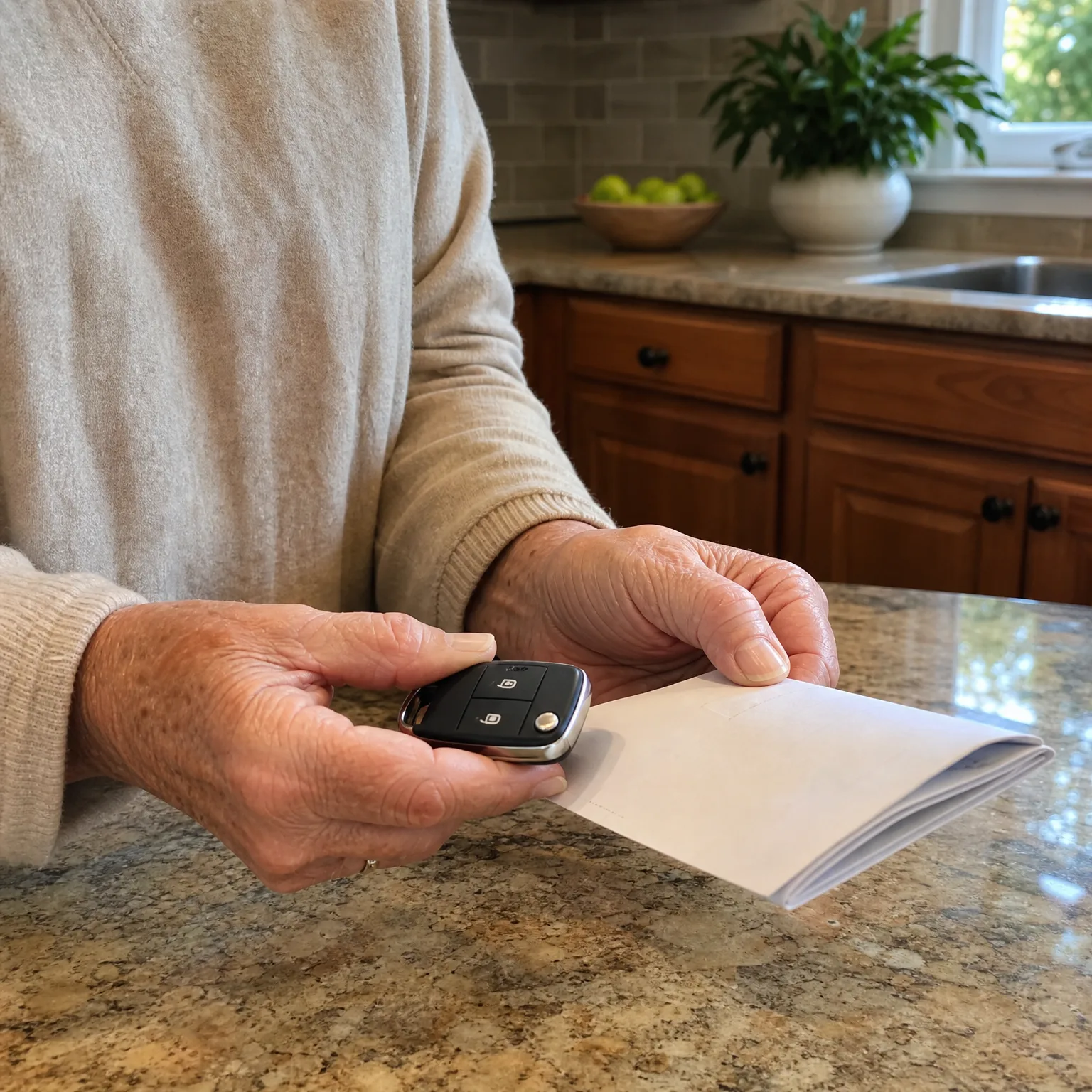
Where the car is stored changes what's covered
A car parked in your own garage is usually still covered the same way it would be anywhere else on your property. A car sitting in a commercial storage facility is a different situation, and some insurers treat it differently because the risks of theft, fire, or damage from other stored property are different.
Ask your insurer directly whether storing the car off your property affects your coverage. Some policies don't care where the car sits as long as it isn't being driven. Others have specific language about storage facilities that you won't see until you ask or read the policy closely.
If the facility itself carries insurance on the building or the lot, that typically covers the facility's liability, not damage to your specific vehicle. Don't assume their coverage extends to your car unless you've seen it in writing.
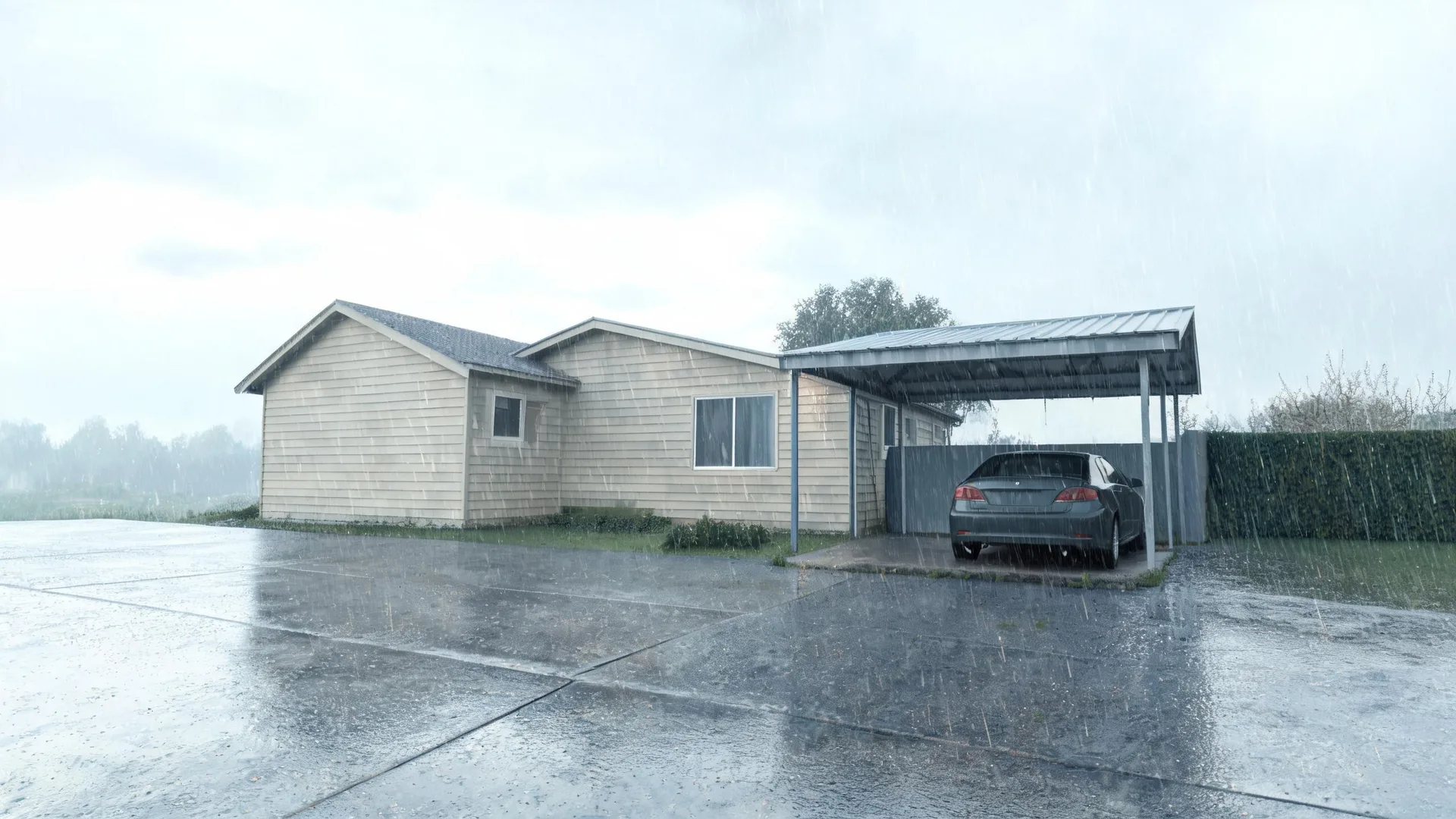
What people get wrong about comprehensive-only coverage
Dropping to comprehensive-only coverage while a car is stored feels like the obvious move, and it often is, but it doesn't mean the car is fully protected. Comprehensive covers things like fire, theft, vandalism, and weather damage. It doesn't cover any kind of collision, even one that happens while the car is stationary, like another vehicle backing into it in a storage lot.
People also assume that switching to comprehensive-only automatically lowers their premium by some fixed amount. The change in cost depends on your insurer and your policy, not on a standard rate, so ask for the actual adjusted premium before deciding it's worth it.
If the car won't be driven for a long stretch, confirm with your insurer how they define that gap. Some require proof, like an odometer reading at the start and end of the storage period, before they'll honor a claim.
Questions people ask about this
Can I cancel my car insurance completely while it's in storage?
You can, but it isn't risk-free. If the car is uninsured and something happens to it, like theft or fire, you have no coverage at all. It can also affect your record with your insurer if they treat a lapse in coverage as a gap, which sometimes affects your rate when you reinsure the car. Ask your insurer how they handle a full cancellation versus a reduced policy.
Does storage insurance cover a car I'm not actively using but still drive occasionally?
Storage coverage is generally meant for vehicles that aren't being driven at all during the storage period. If you're taking the car out even occasionally, you likely need to keep a standard policy rather than a storage-specific one. Tell your insurer exactly how often you expect to use the car so they can recommend the right coverage.
Do I need storage insurance for a classic or antique car?
Classic and antique cars often have separate insurance arrangements already, sometimes through a specialty insurer rather than a standard one. If that's the case, ask whether your existing policy already includes storage provisions, since many classic car policies are built around the idea that the car spends much of its time parked rather than driven.
Will my homeowners or renters insurance cover a stored car instead?
Typically not. Homeowners and renters policies generally cover personal property, not vehicles, which usually need to be insured under an auto policy. Check your homeowners or renters policy directly, or ask your agent, rather than assuming a stored car falls under either one.
What happens if I don't tell my insurer the car is being stored?
If your insurer doesn't know the car's situation has changed, your coverage may not match how the car is actually being used or kept. This can matter most if you ever file a claim, since the insurer may ask why the vehicle was somewhere your policy didn't account for. Telling them upfront avoids that problem.
If you're not sure whether your policy covers a stored car, compare what other insurers offer for your situation.
Call your current insurer this week and ask exactly how they handle a vehicle that's being stored rather than driven. Have the vehicle's location, the expected length of storage, and your current policy number ready. Ask specifically whether you can reduce coverage to comprehensive-only, what that would cost, and whether storing the car off your property changes anything. If the answer doesn't fit your situation, compare quotes from other insurers to see how they handle storage before you cancel or change anything.