Snowbird Lifestyle Pros and Cons
Splitting your time between two states can work well, but your insurance needs to know about it before you go.
It can work, if you tell your insurer where the car actually lives
Snowbirds who plan ahead generally do fine. The lifestyle itself isn't the problem. The problem comes from treating your insurance like it still works the way it did when you lived in one place year round.
Your car insurance is priced partly on where the car is garaged most of the year. If you're gone for months at a time, that matters. Your insurer needs to know whether the car travels with you, sits parked at home, or gets driven by someone else while you're away. Each answer changes what you should be covered for.
Where your car spends its time
If you drive your car to your winter home and back, tell your insurer both addresses. Some policies adjust coverage based on where a vehicle is principally garaged, and an address that doesn't match reality can cause problems later if you ever file a claim.
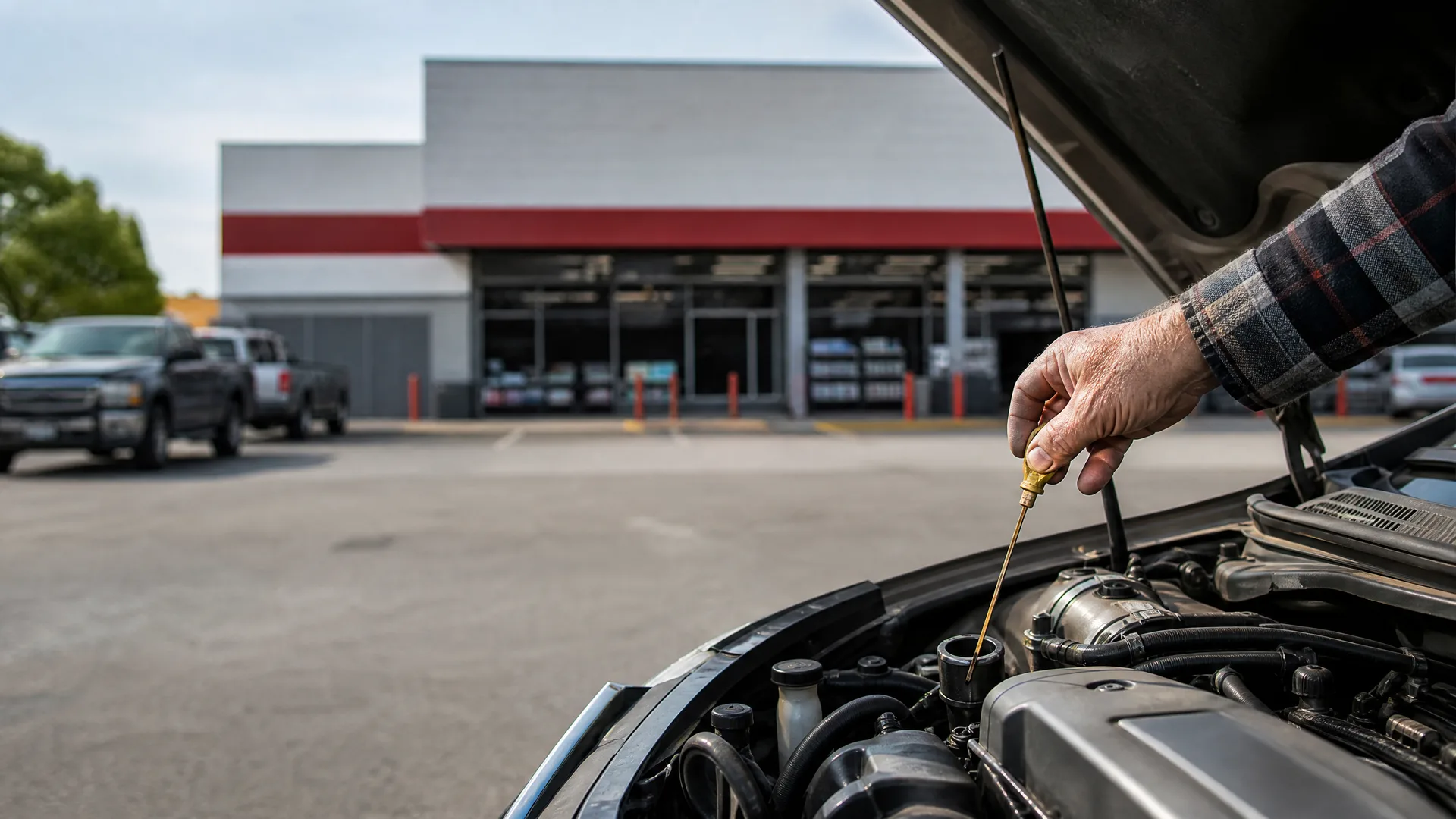
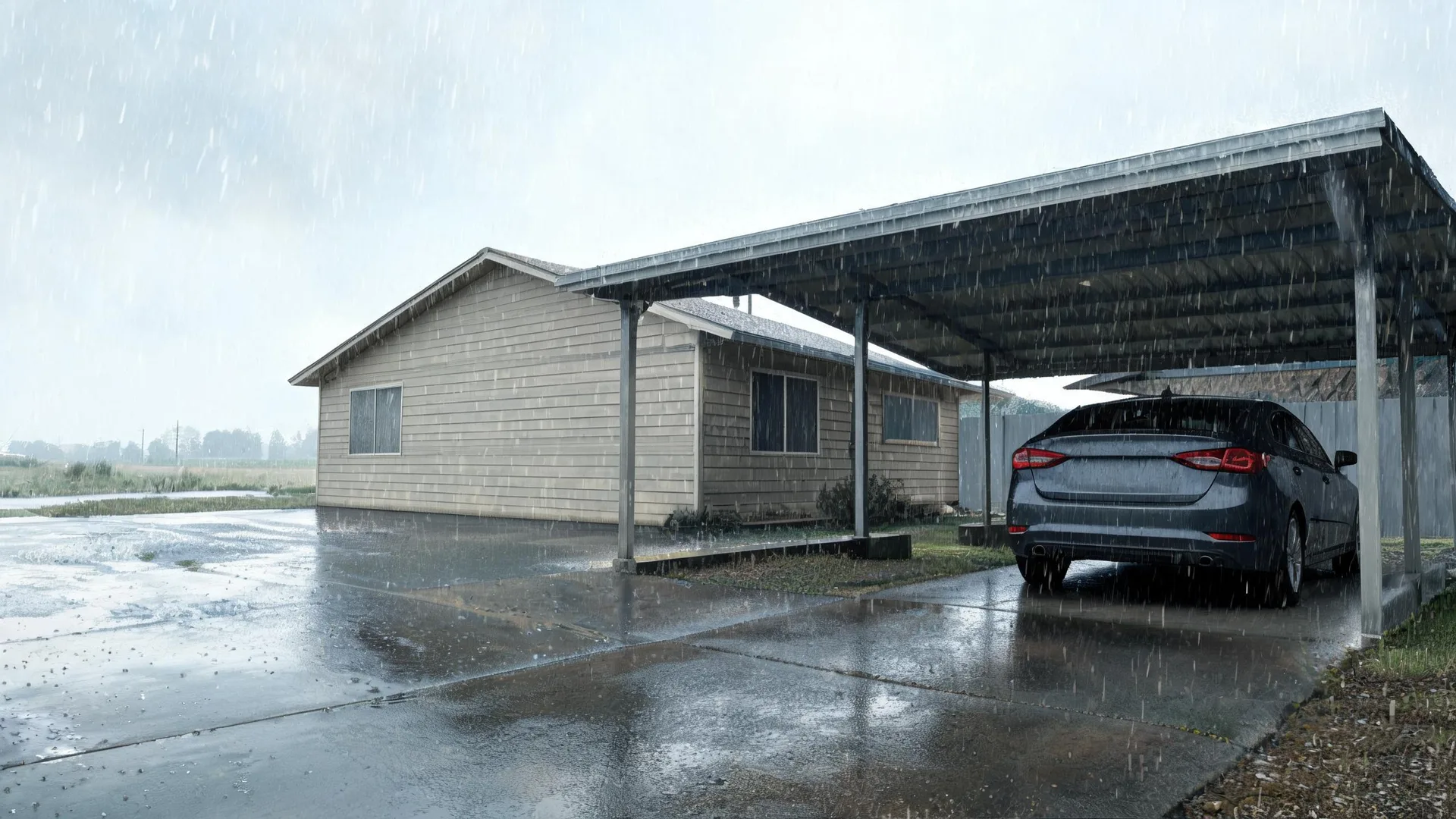
If you leave the car at home instead and fly, ask whether your policy has a provision for reduced coverage while it's parked and unused. Comprehensive coverage still matters even when the car isn't moving, since things like weather, theft, or a tree branch don't care that you're away.
If you keep a second car at your winter residence, that car needs its own policy, and it may need to be insured in that state rather than your home state. The rules on this vary by state, so ask your agent directly rather than assuming your home policy covers a car garaged somewhere else most of the year.
If a family member or caretaker drives your car while you're gone, tell your insurer. An undisclosed regular driver can complicate a claim.
Which state you're a resident of
Insurance, like a lot of things, follows legal residency, and residency is about more than where you spend the most nights. States look at things like your driver's license, where you're registered to vote, and where you file your primary tax return.
If you're genuinely splitting time and haven't formally changed residency, your insurer still needs your home address to be accurate and current. A P.O. box or a relative's address used to avoid higher rates in one state can be considered misrepresentation, and that can affect a claim.
If you do change your legal residency to your winter state, your auto insurance, home insurance, and sometimes your health coverage all need to be reviewed for that state's rules. What your policy requires, and what it costs, can differ from what you're used to.
Either way, this is a conversation to have with your agent before the drive south, not something to sort out after something happens.
Questions people ask about this
Do I need a separate car insurance policy for my winter home?
It depends on whether you keep a second vehicle there or just drive the same car back and forth. If you bring one car with you, you typically keep one policy and update your insurer on where the car is at different times of year. If you keep a second car at the winter property, that car usually needs its own policy, and your agent can tell you whether it needs to be written in that state.
What happens to my home insurance when I'm away for months?
Ask your home insurer directly, since vacancy clauses vary by company and by how long the home sits empty. Some policies reduce or exclude certain coverage after a set period of vacancy unless you've arranged for someone to check on the property or notified the insurer in advance.
Can I use my adult child's address as my mailing address instead?
You can for mail, but your insurance needs your actual legal residence, not just a convenient mailing address. Using someone else's address to get a better rate or avoid a state's rules is a form of misrepresentation and can cause a claim to be denied.
Does my health insurance work the same way in both states?
Not necessarily, and this is worth checking separately from your car and home coverage. Medicare and many private plans have rules about coverage outside your home region, so check with your plan directly before you need care rather than after.
Will my insurer drop me for splitting time between two states?
Not for that reason alone, as long as you're upfront about your situation. Insurers run into snowbird arrangements often. What causes problems is an address or driver that doesn't match what the insurer was told, not the arrangement itself.
See what it costs to insure your situation accurately, in both states, before you head south.
Before your next trip, call your insurance agent and walk through exactly how you'll be living this year: which car goes with you, which stays behind, who else might drive it, and how long you'll be gone. Have both addresses ready, along with your travel dates if you know them. Ask specifically whether your policy needs an endorsement for the time the car sits unused, and whether a second vehicle at your winter home needs its own policy. Do the same check with your home insurer about vacancy coverage. It's a half hour conversation now against a denied claim later.