How to Be a Snowbird for Beginners
Being a snowbird for part of the year changes what your insurer needs to know, and getting it wrong can cost you at claim time.
Tell your insurer before you go, not after a claim
The first thing to handle is telling your insurance company that you'll be splitting your year between two places. Your policy is written around where your car is normally kept and who normally drives it. If that changes for months at a time, your insurer needs to know.
This matters because a claim filed while you're away, especially one involving the second home or a long stretch of highway driving, can raise questions about whether your policy still applies the way you assumed. Most insurers can handle snowbird arrangements without trouble. They just need to be told in advance, not discovered afterward.
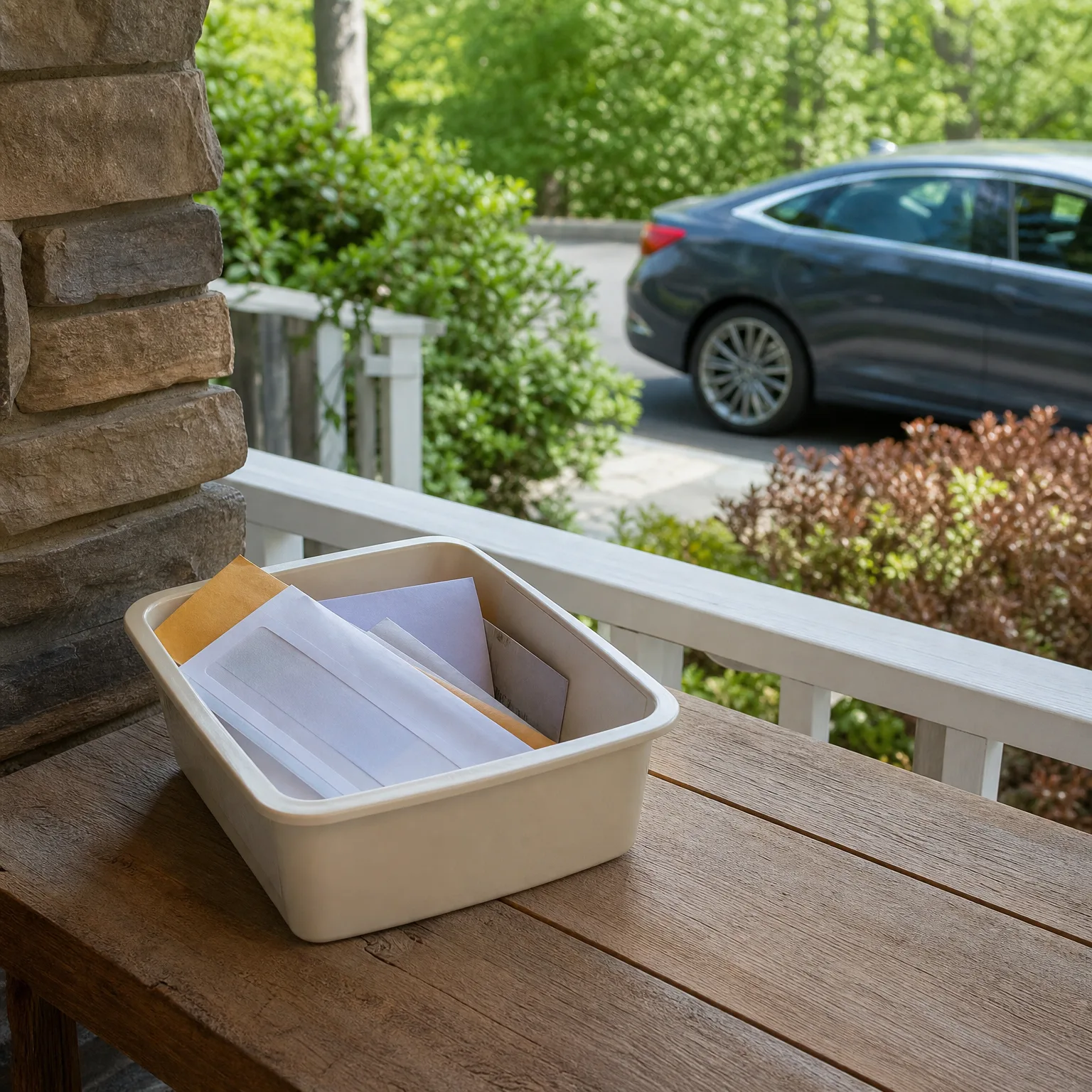
Where your car is actually garaged
Your premium is partly based on where your car sits most nights. If you're spending real time in a second state, your insurer may ask where the car is garaged during that period, and some will adjust your policy to reflect it.
This isn't about picking whichever state is cheaper. It's about accuracy. If your car is garaged in Florida for months every winter, your insurer should know that, because it affects things like local theft rates and weather exposure that go into how your policy is priced.
Check with your agent about whether a seasonal change of address or a dual-state arrangement needs to be noted on the policy. Some insurers have a simple process for this. Others may ask more questions, especially if you're changing your legal residence rather than just spending time somewhere else.
If you're established as a snowbird long-term, ask whether your insurer has a specific endorsement or program for seasonal residents. Not every company does, but some build their policies around exactly this kind of arrangement.
What happens to your home and car while you're away
Snowbirds usually have two concerns at once: a car making a long trip and sitting unused part of the year, and a home left empty for months at a time.
An empty home can affect your homeowners coverage. Some policies have limits on how long a home can sit vacant before certain coverage is reduced or requires a separate rider. Ask your homeowners insurer directly what counts as vacant and what you need to do to stay covered.
For the car, ask whether your auto policy still provides full coverage if the vehicle is parked for an extended stretch, whether at your winter home or back at your main residence. Some people reduce coverage to comprehensive only during months the car isn't driven, which can lower the premium, but you'll want to confirm that choice with your insurer rather than assume it.
If you're driving a long distance to get to your second home, that trip itself is covered like any other drive. The question is what your policy does once you've arrived and the car is sitting for weeks or months.
Questions people ask about this
Do I need to change my driver's license if I'm a snowbird?
Usually not, as long as one state remains your legal residence and you're not trying to hold licenses in two states at once. States generally require your license to match where you're officially domiciled, so check your state's rules if you're unsure which one that is.
Can I register my car in a different state than where I live most of the year?
This depends on your state's residency and registration rules, which vary. Some states have specific provisions for seasonal residents, others require registration wherever the car is primarily kept. Check with the DMV in both states before making a decision.
Will my health insurance work in both states?
That depends entirely on your plan and whether it has in-network providers in both locations. Medicare generally travels with you across states, but private plans and supplemental coverage can have network restrictions. Call your plan directly to ask how it handles care outside your home state.
Should I tell my mail carrier and bank I'm a snowbird?
It's worth notifying your bank, since unusual card activity in a new state can trigger a fraud hold. For mail, many snowbirds use a forwarding service or a temporary hold rather than a permanent address change, especially if one state remains their legal residence for tax and voting purposes.
What happens if I get in an accident in my winter state?
Your policy follows you across state lines, so a covered accident is still a covered accident wherever it happens. What changes is which state's laws apply to things like the claims process, so ask your insurer how that works if you're ever unsure.
See how different insurers handle seasonal residents before you lock in your arrangement.
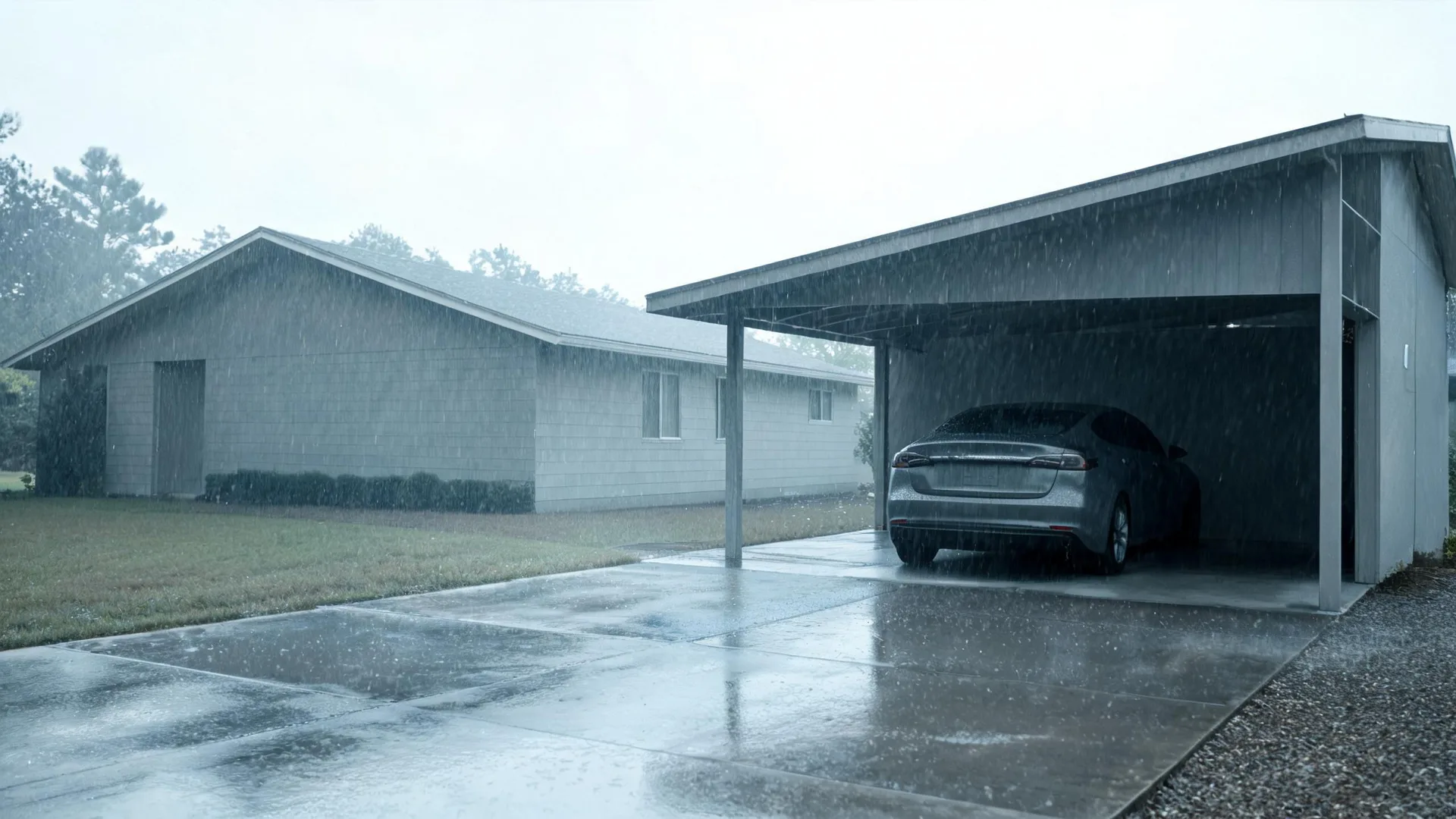
Call your auto and home insurers before your next trip south and tell them directly about your snowbird schedule. Ask each one, in plain terms, what changes about your coverage while you're away and what they need from you to keep it in place. Have your travel dates, your second address, and a rough sense of how long the car will sit unused. Ask your state DMV about licensing and registration rules if you're not certain which state counts as your legal residence. Do this well before you leave, since some changes take time to process.