How to Be a Snowbird on a Budget
The biggest savings come from how you handle your car insurance, your address, and your travel timing, not from cutting corners once you get there.
Yes, if you plan the details most people skip
Being a snowbird on a budget is realistic, but the savings come from a handful of decisions made before you leave, not from pinching pennies once you're there. The two that matter most are your car insurance and your legal residence, because both affect what you pay for months.
Most of the budget problems snowbirds run into come from treating the trip like a vacation instead of a second home. A vacation ends in two weeks. A snowbird season runs long enough that your insurer, your bank, and your home state all notice, and each one has rules about what you need to tell them.
What it does to your car insurance
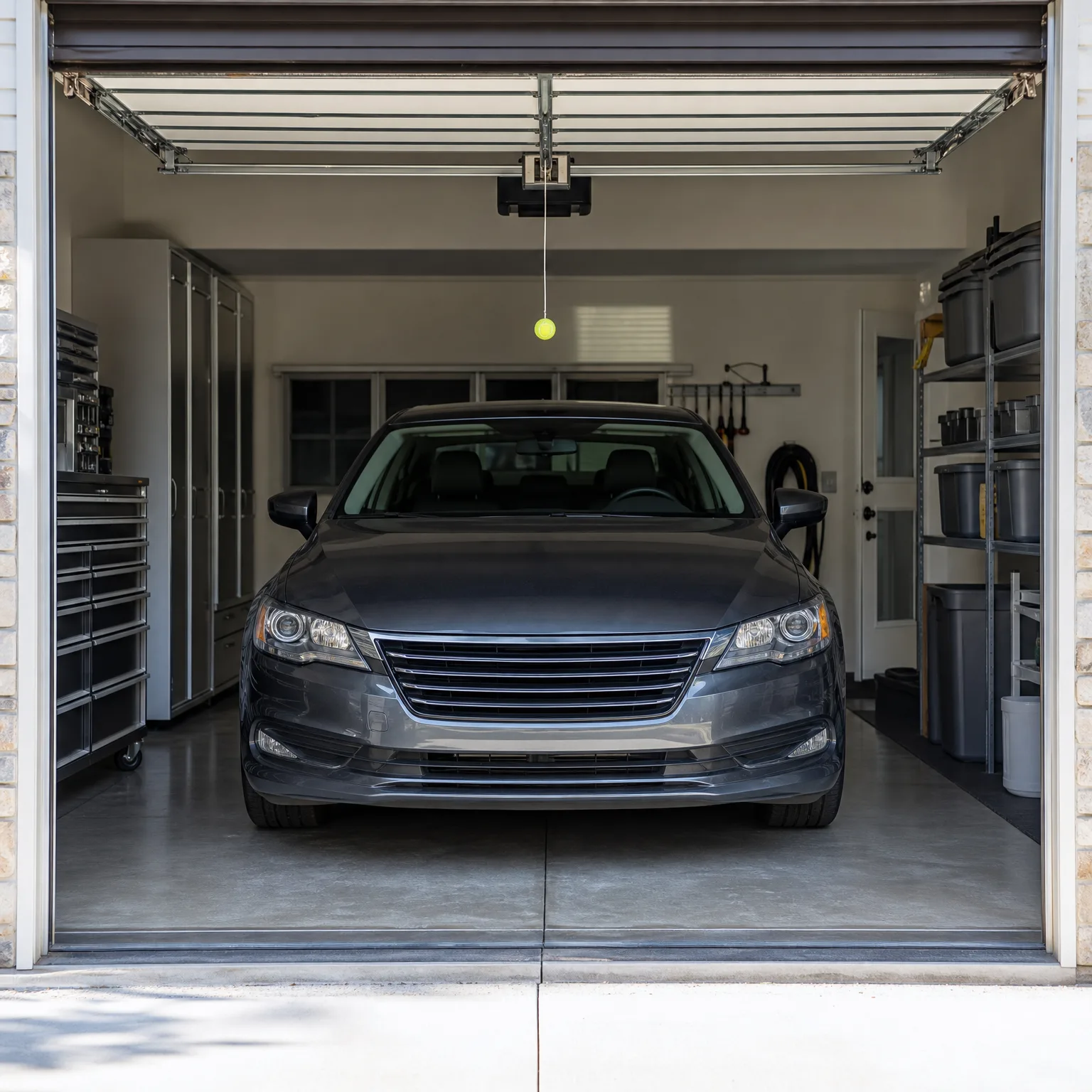
Leaving your car at home for months, or driving it to another state for months, changes what your insurer needs to know. Some insurers offer a lower rate while the car sits unused, but only if you tell them it's parked and ask for that adjustment. If you don't call, you keep paying the same premium for coverage you're not using.
If you're driving to your winter location, check whether your policy still applies the same way once you're registered to a different address for part of the year, or if your insurer treats it as a temporary stay. The answer depends on your insurer and sometimes your state, so it's worth a call before you go rather than after something happens.
If you're leaving a car behind at your winter or summer home year-round, that's a second vehicle on your policy, or a separate policy, depending on how your insurer handles it. Ask them directly which setup costs less for your situation.
Comparing quotes before the season starts, rather than renewing out of habit, is often where the real savings sit. A policy that made sense when you were home year-round may not be the cheapest option once your car spends months parked.
Where you're a legal resident
Your legal address, the one on your license and your insurance policy, decides which state's rules apply to you, and that affects more than your mail. Some snowbirds split time without changing their legal residence. Others switch it to the state where they spend more of the year, often because of lower costs or simpler rules.
Changing your legal residence means changing your driver's license, your vehicle registration, and your insurance policy to match. Doing only some of these can cause problems, like a policy that assumes you live somewhere you no longer do.
If you're not sure whether to change your legal residence, that's a question for your insurer and your state's DMV, not a guess. The rules on how long you can stay before a state expects you to register there vary, so check with the state you're spending the season in.
Keeping your legal residence where it's always been is simpler, but only if your insurer confirms that your coverage still works the way you expect while you're away for an extended stretch.
Questions people ask about this
Can I keep the same car insurance if I split time between two states?
Often yes, but you need to tell your insurer about the arrangement rather than assume it's covered. Insurers want to know where the car is garaged most of the year, since that affects your rate and sometimes your coverage. Call and describe your actual schedule so they can tell you what applies.
Do I need a second car if I keep one at each home?
Only if that's what works best for your budget and your travel. Driving one car back and forth saves you a second insurance bill, registration, and maintenance cost, but means a long drive each season. Keeping a car at each home means paying to insure and register two vehicles. Ask your insurer how they'd price each option before deciding.
How do I get mail and keep my address current while I'm away for months?
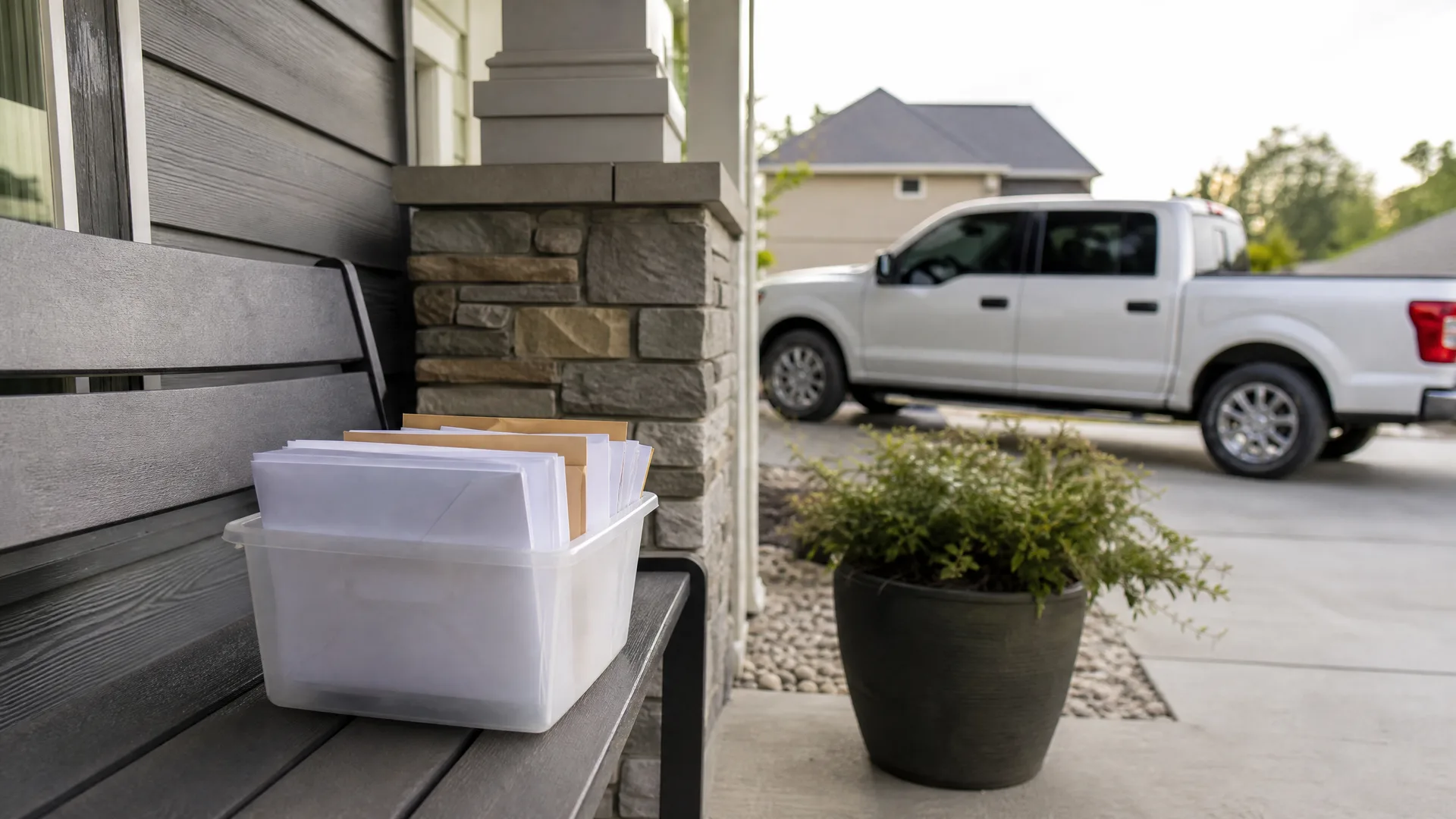
Most snowbirds use mail forwarding or a mail service for the months they're away, since missing something from your insurer, your bank, or your state matters. Check with your post office about forwarding and make sure your insurer has whichever address you want them using for renewal notices and any paperwork.
Does my health insurance work the same way out of state?
That depends entirely on your plan, and it's a separate question from your car insurance. Some plans cover you anywhere in the country, others are limited to a network tied to your home state. Call your health insurer before you go and ask specifically how your plan handles care in the state where you'll be staying.
What happens to my home while I'm gone for the season?
That's a homeowners insurance question, not a car insurance one, but it matters just as much to your budget. Some homeowners policies have rules about how long a home can sit vacant before coverage changes. Ask your home insurer what they require, like someone checking on the property periodically, before you leave.
See what a policy built around your actual travel pattern would cost before you commit to this season's plan.
Call your current insurer before you leave and tell them your actual schedule, including where the car will be and for how long. Ask directly whether a reduced rate applies while it's parked, and whether anything changes if you're driving it to another state for months. If you haven't compared quotes in a while, do it now, since a policy built for staying in one place year-round may not be the cheapest way to cover a car that splits its time. Confirm your mail forwarding and your legal address are set the way you want before you go, not after you arrive. If you're considering changing your legal residence, call your state's DMV and your insurer in the same week so you're not caught between two sets of rules.