Do Snowbirds Need Special Car Insurance
There's no separate snowbird policy, but your insurer needs to know where your car actually spends its time.
No special policy exists, but your insurer needs the full picture
There's no product called snowbird insurance. You keep your regular auto policy and it covers you as you drive between states or provinces, the same as it would for any trip.
What matters is telling your insurer how you actually use the car. If you're away for months at a time, where the car is garaged, how often it's driven, and whether another vehicle sits unused back home all affect your coverage and sometimes your premium. Leaving that information outdated is the real risk, not the lack of a special policy.
Where you garage the car changes your rate and your coverage
Your premium is partly based on where the car is kept most of the year. If you spend several months in another state, your insurer may ask which address is the primary garaging location, since that affects the risk they're pricing for.
Some insurers handle this by adjusting your policy to reflect both addresses. Others want a call before you leave so they can note the seasonal change. Ask your own insurer how they want to be told, and do it before you go rather than after something happens.
If you're driving into Canada or across state lines for an extended stay, check with your insurer or agent about whether your policy's coverage changes once you cross into another country. A policy written for one state doesn't always carry identical terms elsewhere, and this is worth confirming rather than assuming.
If you leave a second car parked and unused back home, ask whether it should be covered differently while it's sitting idle. Some insurers offer a reduced rate for a car that isn't being driven, but only if you tell them.
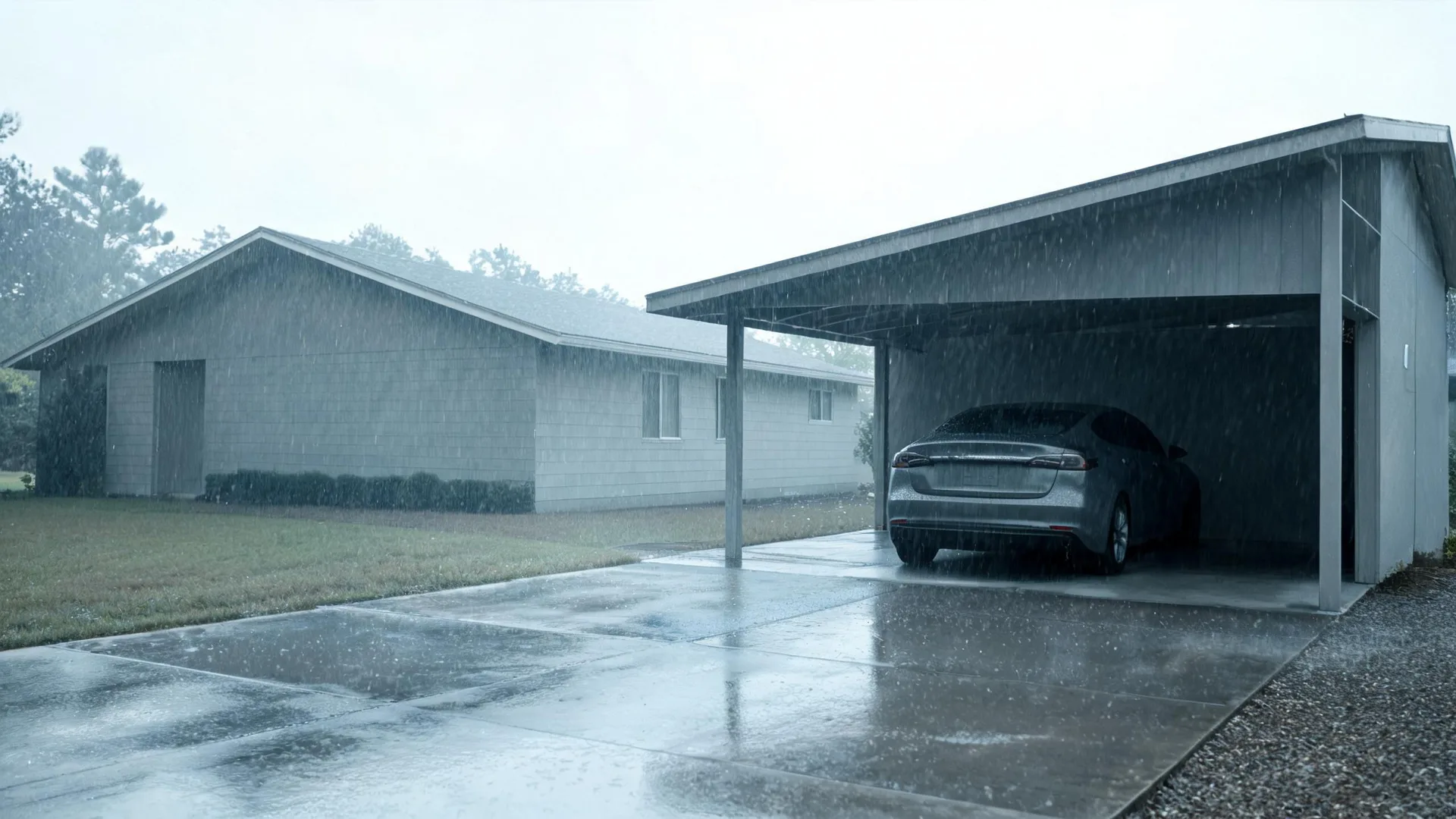
A car sitting unused for months brings its own risks
If you leave a vehicle parked for an extended period, whether it's the one you leave behind or the one you drive south, comprehensive coverage still matters. Weather, theft, and vandalism don't pause because the car isn't being driven.
Tell your insurer if a car will sit unused for a long stretch. Some policies have conditions about leaving a vehicle unattended for too long, particularly around things like a dead battery causing a fluid leak or storm damage going unnoticed. Knowing the terms ahead of time means no surprises if something happens while you're away.
If you're renting a car once you arrive at your destination instead of driving your own, check whether your personal policy extends any coverage to a rental, and whether that coverage is enough on its own or needs a supplement from the rental company.
Questions people ask about this
Do I need to change my auto insurance when I move between states seasonally?
Not usually, but you do need to tell your insurer you're splitting time between two places. They use your garaging address to set your rate, so an address that's wrong for part of the year can affect a claim. Call your insurer and ask what they need from you.
Will my insurance still cover me if I'm in a different state for months?
Yes, your policy covers you as you travel and while you're temporarily in another state, the same as any trip. The difference is if that state becomes your primary residence, which can eventually require a new policy entirely. Ask your insurer where that line is for your situation.
Should I cancel insurance on the car I leave behind while I'm away?
Don't cancel it outright. A gap in coverage can affect your rate later and leaves the car unprotected from theft, weather, or other damage while it sits. Ask your insurer about a reduced rate for a vehicle that isn't being driven instead.
Does my insurance cover me if I drive into Canada or Mexico?
It depends on your policy and your insurer, so this isn't something to assume. Some policies extend coverage across the border with no changes needed, others require a rider or a separate document. Confirm directly with your insurer before you cross.
Can I get a discount for driving less while I'm away part of the year?
Some insurers offer lower rates for low annual mileage, which can apply if your car sits unused for part of the year. Whether this applies to you depends on your insurer and how they track mileage. Ask directly rather than assuming it's automatic.
See how your rate compares before your next trip south.
Before you leave, call your insurer and tell them where the car will be garaged and for how long. Ask directly whether your coverage changes once you cross a state or national border, and get the answer in writing if you can. If you're leaving a second car behind, ask about a reduced rate for a vehicle that won't be driven. Have your policy number and travel dates ready when you call so they can give you a specific answer instead of a general one. Do this before you go, since changes made after a claim are much harder to sort out.