How to Be a Snowbird Cheaply
The real savings come from how you set up your car insurance and your home coverage before you leave, not from cutting corners once you're there.
Plan your insurance before you go, not after
Being a snowbird cheaply starts with telling your insurer what you're actually doing. If your car travels with you for months at a time, or if your home sits empty while you're away, your insurer needs to know. Leaving them out of it is how people end up paying for coverage they don't have.
For a driver your age, the savings usually come from two places. One is making sure you're not paying for coverage you don't need, like comprehensive on a car that sits in a garage all winter. The other is avoiding a gap that costs far more than any premium, like a claim denied because your home insurer wasn't told the house would be empty for months.
Where your car is registered and garaged
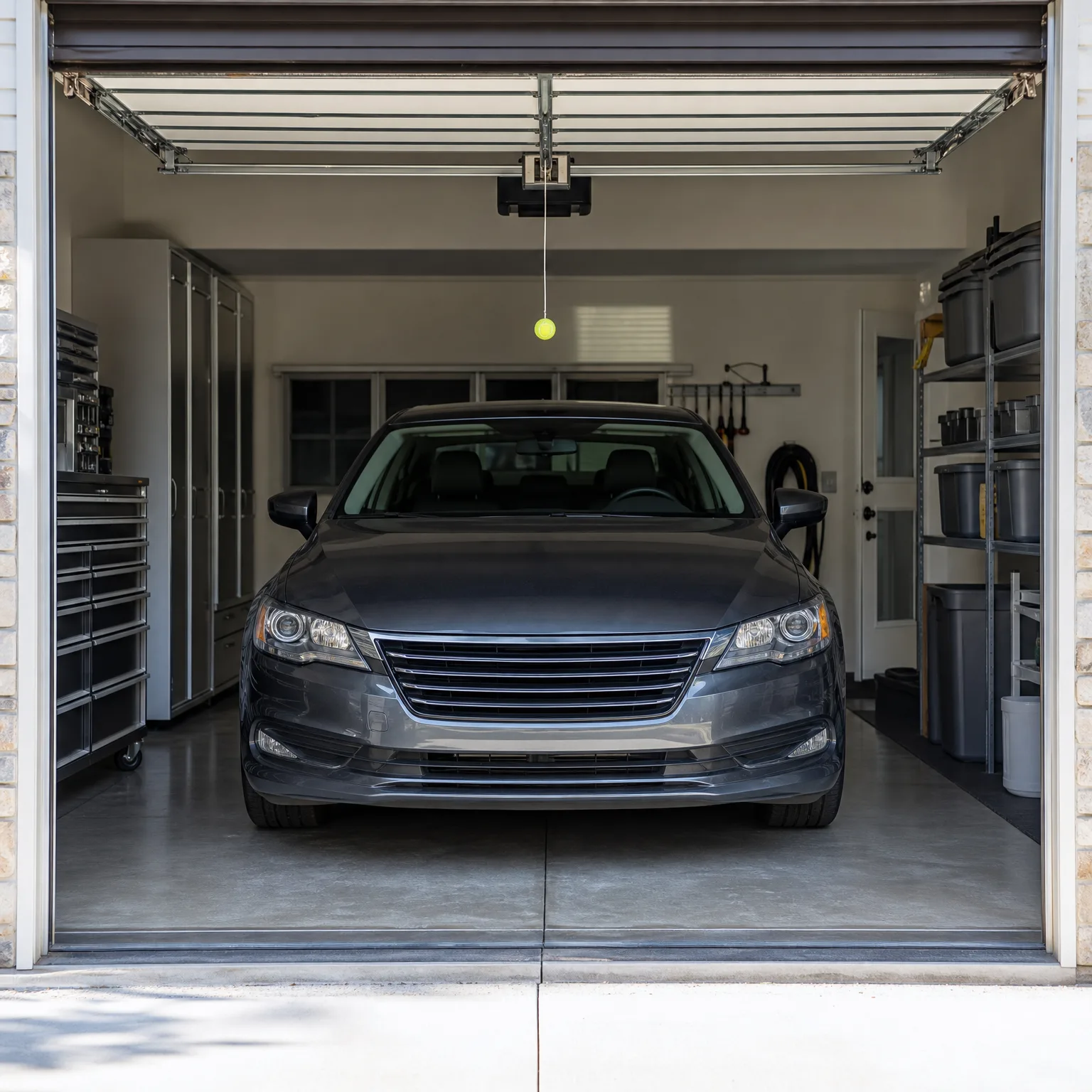
Your insurer prices your policy partly on where your car usually sits overnight. If you spend part of the year in a different state, tell your insurer which address is the garaging address and which is temporary. This isn't just paperwork. If you're in an accident while away and your insurer finds out you didn't mention the second location, they can question the claim.
Some snowbirds keep their car registered and insured in their home state even though they drive it somewhere else for months. That's usually fine, but check with your insurer, because a few states have rules about how long a car can be driven there before it needs local registration and insurance. Ask your insurer directly rather than assuming your home policy covers you anywhere without limit.
If you're leaving a second car behind in your home state while you travel, ask about reducing coverage on it while it's not being driven. A car sitting in a garage for months doesn't need the same liability coverage as one being driven daily, though your insurer will tell you what can and can't be dropped.
If you fly to your winter home and rent a car there instead of driving your own, ask your insurer whether your personal auto policy extends to rental cars, and for how long. Relying on the rental company's coverage when you already have protection through your own policy is a common way to pay twice.
What happens to your home while you're gone
An empty house is a different risk to insure than one lived in every day. Pipes freeze, break-ins go unnoticed longer, and small problems like a roof leak can go unchecked for weeks. Homeowners insurers know this, and many policies have a clause about how long a home can sit vacant before coverage changes or stops.
Tell your home insurer the dates you'll be away and ask directly whether your policy treats the house as vacant after a certain point. If it does, ask what you need to do to keep full coverage, such as having someone check the house periodically or shutting off the water supply.
The same question applies to your winter home if you rent or own one there. If you own it and it sits empty part of the year, ask that insurer the same questions about vacancy. If you rent, ask what the landlord's insurance covers and what you need your own renters policy to cover instead.
A cheap way to protect both homes is simply arranging for someone to look in on each property while you're away. Many insurers ask about this directly, because it affects how they price the vacancy risk.
Questions people ask about this
Can I keep my home state car insurance if I live elsewhere part of the year?
Usually yes, as long as your home state remains your primary residence and the car is still mainly garaged there. Check with your insurer and with the state you're staying in, since some states require registration and insurance to switch after you've been there long enough.
Does my health insurance work in both states as a snowbird?
It depends on your plan, not your car insurance. If you have a Medicare Advantage or other network-based plan, ask directly whether it covers routine and emergency care in your second location, since this is separate from anything your auto or home insurer handles.
Should I tell my insurer if my house will be empty for months?
Yes. Leaving a home empty for an extended period can change what your policy covers, and some insurers reduce or deny coverage for vacant homes unless you've told them in advance and met any conditions they set.
Is it cheaper to rent a car each winter instead of driving mine south?
It depends on how far you travel, how long you stay, and what your own auto policy covers for rentals. Ask your insurer whether your policy extends to rental cars before assuming you need separate rental insurance each year.
Do I need a separate policy for an RV or trailer I use part of the year?
RVs and trailers are typically insured differently from cars, especially if you live in one for part of the year. Ask your insurer whether your auto policy extends to it at all, since many require a separate RV policy with its own coverage for the time it's used as a residence.
See what it would cost to insure your car and your travel the way you actually live.
Before your next trip south, call your auto insurer and your home insurer separately and tell each one your actual schedule, including dates away and where the car will be garaged. Ask your auto insurer whether your coverage changes if you drive or garage the car in another state, and for how long you can do that before anything needs to change. Ask your home insurer directly about vacancy rules and what keeps your coverage full while you're away. If you have a second home or rental, ask that insurer or landlord the same questions. Write down what each one tells you, since these answers vary by company and by state, and having it in writing settles any dispute if you ever need to make a claim.