Winter Car Storage Insurance in Pennsylvania
You can usually lower your coverage while a car sits unused, but you need to ask your insurer for it specifically, not just assume it happens.
You don't have to cancel the policy, but you do have to call
If a car is going to sit in a garage all winter, the usual move isn't to drop insurance on it. It's to ask your insurer about switching it to comprehensive-only, sometimes called storage coverage or parked-car coverage. This keeps protection against fire, theft, falling branches and the like, but drops the liability and collision pieces you don't need if the car isn't being driven.
Whether your insurer offers this, and what they call it, depends on the company. Some will do it over the phone in a few minutes. Others want the car's mileage and location confirmed first. Pennsylvania requires continuous insurance on a registered vehicle, so the safe way to do this is to ask your insurer directly what reduced coverage they offer for a stored car, rather than guessing you can let the policy lapse.
Whether the car stays registered changes what you're required to carry
Pennsylvania ties insurance to registration. As long as a car has an active Pennsylvania registration, state law expects it to carry at least liability coverage. If you drop a vehicle to comprehensive-only while it's still registered, check with your insurer that this satisfies the state's requirement, because some comprehensive-only endorsements are built around the car also being taken off the road entirely.
Some owners instead put the registration into a non-operating status for the winter, if Pennsylvania allows it for that vehicle. That can remove the insurance requirement altogether while the car isn't registered. Whether this makes sense depends on how long you're storing the car and whether re-registering it in spring is simple for your situation. Ask PennDOT how a non-operating registration status would affect the specific vehicle before you use it as your plan.
If the car stays registered and insured, comprehensive-only coverage is the more common route. It keeps you protected against theft or damage in storage without paying for coverage you don't need while the car isn't moving.
What your insurer needs to know before they'll adjust the policy
Insurers that offer reduced coverage for a stored car usually want specifics. Where the car will be kept, for how long, and whether anyone will be driving it during that window. A car stored in a locked garage is a different risk to them than one sitting in a driveway, and that can affect what they're willing to offer.
Be exact about the dates. If you tell your insurer the car is off the road from a certain date and someone drives it before that period ends, even once, you may be driving it without the liability coverage you'd need if something happened. If your plans are uncertain, say so, and ask what the insurer needs if the timeline shifts.
Also ask what happens to any discounts tied to the vehicle, like a multi-car discount, while it's on reduced coverage. Some insurers keep these in place, others don't, and it's worth knowing before you make the switch rather than after the next bill arrives.
Questions people ask about this
does my car need to pass inspection if it's in storage for winter?
This depends on whether the car stays registered. Pennsylvania ties inspection to registration, so a registered vehicle generally still needs to meet inspection requirements even if it isn't being driven. Check with PennDOT about how storage affects an upcoming inspection deadline for your specific vehicle.
can i insure a stored car for theft and fire only?
Many insurers offer a comprehensive-only option that covers theft, fire, and similar risks without liability or collision. Ask your insurer by name whether they call this storage coverage, parked-car coverage, or something else, since terms vary by company.
will switching to storage coverage affect my no claims history?
Reducing coverage for a stored car typically doesn't reset or affect a no-claims or claims-free record, since that record tracks claims, not coverage levels. Confirm with your insurer that no claim-free discount is lost simply by changing what the policy covers during storage.
what happens if someone drives my stored car in an emergency?
If the car is on comprehensive-only coverage, driving it without liability coverage active could leave you exposed if there's an accident. Call your insurer before the car is driven again, even briefly, and ask them to reinstate full coverage first.
do i need a different policy for a classic or collector car in storage?
Some insurers have separate policies built specifically for collector or classic cars that spend most of the year stored, with different terms than a standard auto policy. Ask your insurer whether your car qualifies for this kind of policy, since the rules around it vary by company and by vehicle.
See what other insurers would charge to cover a stored car before you decide what to do with this one.
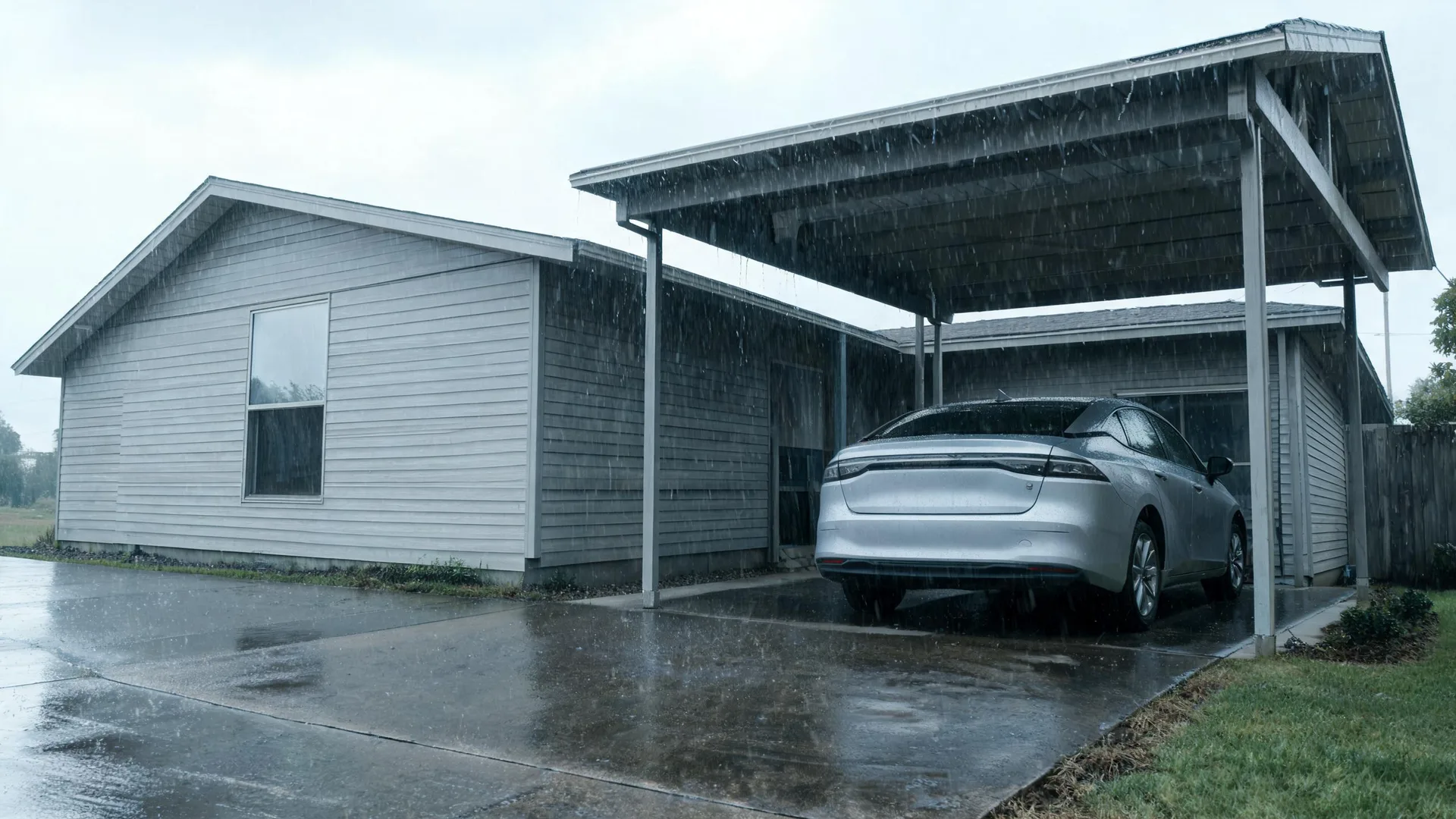
Call your current insurer this week and ask specifically what they offer for a car that won't be driven over the winter. Have the vehicle's storage address, the dates you expect it to sit unused, and your registration status on hand before you call. Ask whether they require a specific coverage type for the state's registration rule, and what happens to any existing discounts. If you're also considering a non-operating registration status, check with PennDOT separately, since that decision affects what your insurer can offer. Once you know what your current insurer proposes, it's worth comparing that against what other insurers charge for the same stored-car coverage before you commit either way.