Winter Car Storage Insurance in Indiana
You can usually switch to storage coverage instead of dropping your policy, but the right move depends on your insurer and whether the car sits in a garage or outside.
You don't have to cancel your policy to save money
Most insurers let you keep a reduced form of coverage while your car is off the road for the winter, rather than carrying full coverage or cancelling the policy outright. This usually means dropping liability and collision but keeping comprehensive, since comprehensive covers things like fire, theft, and weather damage that can happen even to a parked car.
What you save and what you're allowed to drop depends on your insurer's rules and on whether the car is still registered. Call your agent before you put the car away and ask specifically what they call this coverage and what it excludes, since the names and terms vary by company.
Whether the car stays registered and insured for comprehensive only
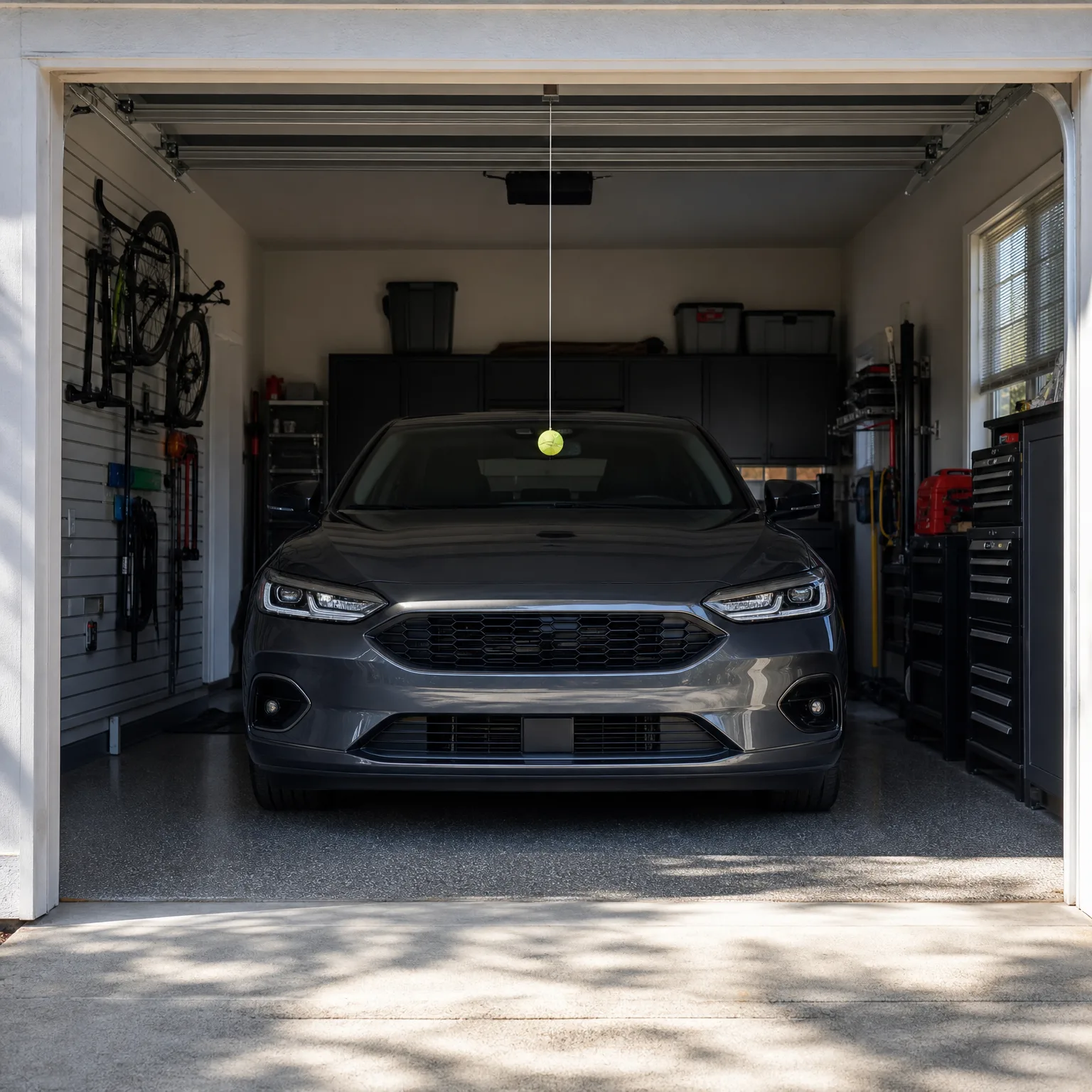
If you plan to not drive the car at all for the winter, ask your insurer about switching to comprehensive-only coverage, sometimes called storage coverage. This keeps protection against fire, theft, falling objects, and weather while dropping the parts of your policy that only matter when the car is being driven.
If you let the registration lapse entirely and cancel insurance altogether, you avoid paying anything during the storage months. But restarting insurance after a gap can mean your insurer treats you as a new customer rather than a renewing one, and some companies ask why there was a lapse. Ask your insurer directly how they handle a gap before you decide to go that route.
Keeping comprehensive-only coverage also means there's no lapse on your record, which matters if you've had the same insurer for years and value that continuous history. For a driver who has carried insurance for decades, that continuity can matter more than the small amount saved by cancelling outright.
Check with your insurer about whether Indiana's minimum insurance requirements still apply if the car remains registered but unused. Some states require proof of insurance to keep a registration active even if the car never leaves the garage.
Where and how the car is stored
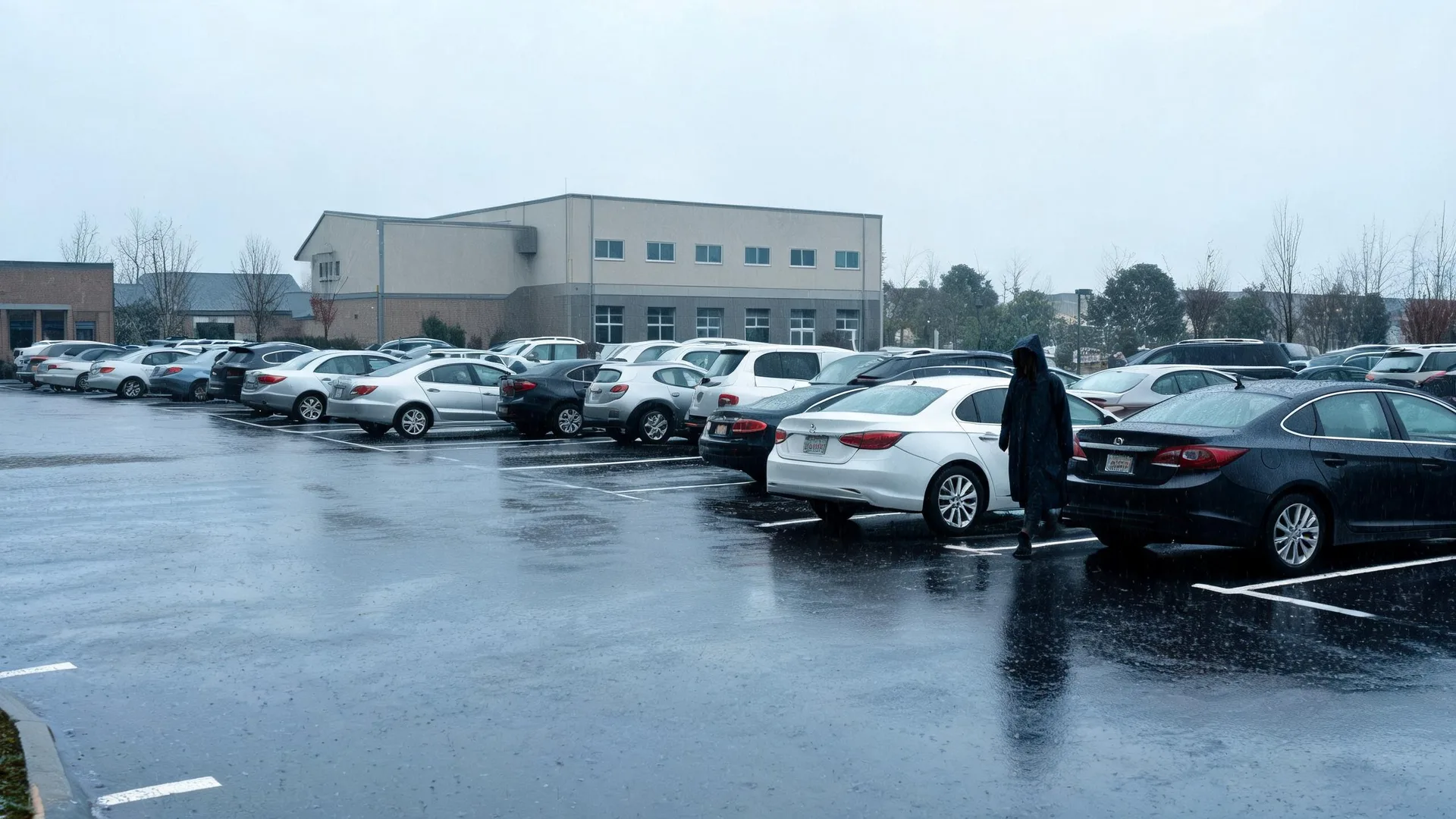
Where you store the car changes what comprehensive coverage is actually protecting against. A car in a locked garage faces less risk of theft or weather damage than one parked outside or in a shared storage lot, and some insurers ask about storage location when you request the coverage change.
If you're storing the car at a facility rather than at home, ask the facility whether their own insurance covers damage to vehicles stored there, and ask your insurer whether that changes what you need from your own policy. The two coverages can overlap or leave a gap depending on how each one is written.
Tell your insurer the exact address where the car will sit all winter, especially if it's different from your home address. Comprehensive claims can be complicated by a mismatch between where the insurer thinks the car is garaged and where it actually was when something happened to it.
Questions people ask about this
Do I need to tell the DMV if I'm storing my car for the winter in Indiana?
Whether you need to notify the Indiana BMV depends on whether you let the registration lapse or keep it active. If you keep the registration current, you generally don't need to report anything. If you plan to let it expire during storage, check with the BMV about what's required to reinstate it in the spring.
Can I remove my car from my insurance policy for a few months?
Some insurers allow you to suspend coverage temporarily, others only allow a switch to comprehensive-only coverage, and some don't offer either option. Ask your agent directly what Indiana law and your specific policy allow, since this varies by company.
Will storing my car affect my insurance rate when I start driving again?
It depends on how your insurer treats the storage period and whether there was any lapse in coverage. A continuous policy with reduced coverage during storage is less likely to affect your rate than a full cancellation and new policy.
Does comprehensive coverage protect against damage from mice or other pests while the car is stored?
This depends on your policy's specific wording, since some comprehensive policies exclude gradual damage like pest infestation while others cover it as a sudden event. Ask your insurer directly what's excluded before you store the car somewhere pests could get to it.
What's the difference between storage insurance and just dropping full coverage?
Storage coverage usually refers to keeping comprehensive while dropping liability and collision, not a separate named product at most companies. Ask your insurer what they actually call the option so you know exactly what you're buying and what you're giving up.
See what other insurers would charge to cover your car through the winter months before you decide what to drop.
Call your insurer this week, before you park the car, and ask them by name what storage or comprehensive-only option they offer. Have your policy number and the car's storage address ready. Ask what happens to your rate and your coverage history if you switch versus if you cancel. If their answer doesn't sit well with you, get a couple of quotes from other insurers to see what they'd charge for the same storage period, since the terms and savings can differ quite a bit between companies. Make the switch before the car actually goes into storage, not after, so there's no gap where something happens and you're not covered for it.