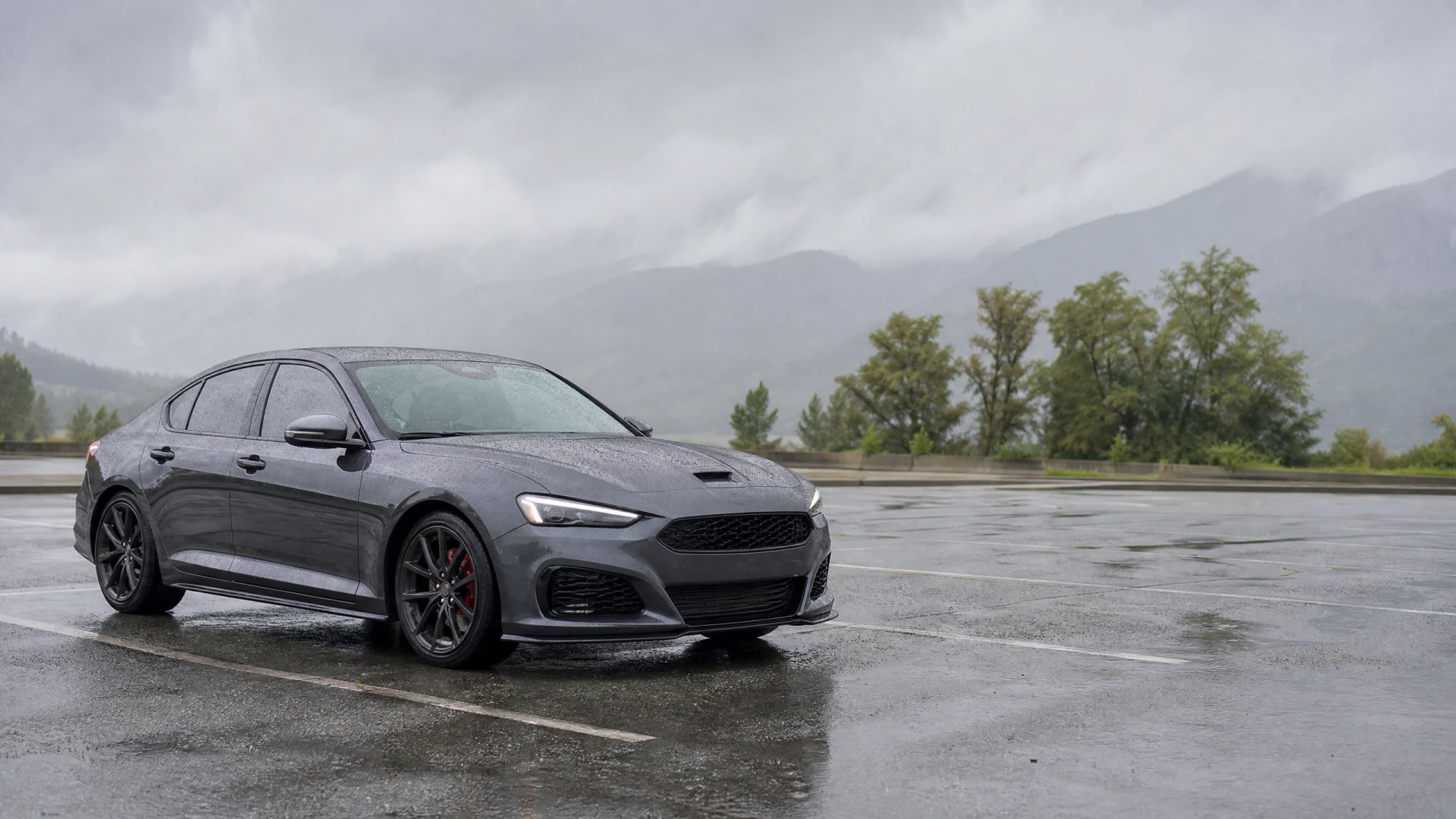
Winter Car Storage Insurance in Massachusetts
You can usually switch to a reduced storage coverage for a car you park for the winter, but you need to ask your insurer to make the change, and you should keep comprehensive coverage in place.
You can reduce coverage, not drop it
If you're storing a car for the winter and not driving it, you can typically ask your insurer to suspend liability and collision coverage and keep only comprehensive. That covers theft, fire, falling branches, and other damage that can happen to a parked car, at a lower premium than full coverage.
You can't just stop paying and assume you're covered less. Your insurer has to make the change on their end, and some have specific rules about how long the car has to be off the road or where it needs to be stored. Call your agent or insurer before you put the car away, not after.
Whether you register and plate the car matters
If you keep the car registered and plated in Massachusetts, you're required to carry at least liability coverage on it whether you drive it or not. This is a state requirement, and it's why most people can't just cancel the policy outright for the winter.
Some drivers instead file for a change in registration status, which in Massachusetts can mean suspending plates and registration for the storage period. If you do that, you don't need liability coverage, but you also can't legally drive the car at all, even to move it a few feet in the driveway.
If you want to keep the registration active so you can drive the car occasionally or move it for plowing, you'll need to keep liability coverage on it the whole time. Ask your insurer what combination of registration status and coverage gets you the lowest rate without leaving a gap.
Either way, check with the Massachusetts RMV directly if you're suspending plates, since the rules on how to do that and how to reactivate later are set by the state, not your insurer.
Where and how the car is stored matters to your insurer
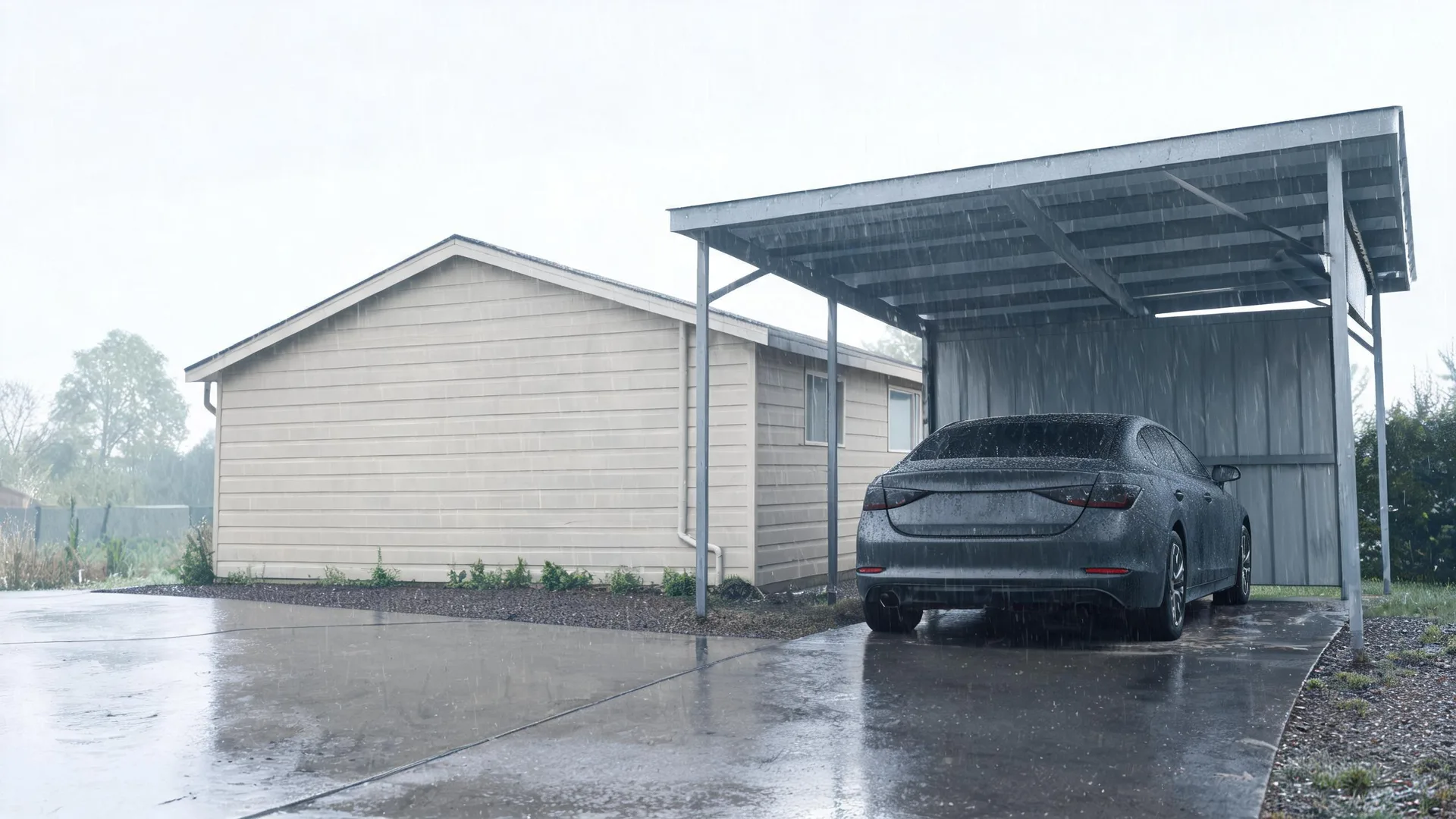
A car stored in a locked garage is a different risk than one parked on the street or in an open lot, and your insurer will ask about this before they adjust your coverage or your rate. Tell them exactly where the car will sit for the winter.
If the car is in a garage, ask whether that lowers your comprehensive premium further. Some insurers price comprehensive differently based on storage location, others don't, and you won't know which applies to you unless you ask directly.
If you're storing the car at a second property, a relative's garage, or a commercial storage facility, tell your insurer that address too. Where the car is registered as garaged affects your rate, and an address that doesn't match where the car actually sits can cause problems later if you ever file a claim.
Questions people ask about this
Do I need to tell my insurer before I store my car for winter?
Yes. The coverage change isn't automatic, so you need to contact your insurer before you take the car off the road to have them adjust the policy. If something happens to the car before you've made the call, you're still on your old coverage, which may be what you want anyway if you're not sure yet.
Can I cancel my car insurance completely while it's in storage?
Only if the car is also taken off the road legally, meaning the registration and plates are suspended with the Massachusetts RMV. If the car stays registered, state law requires you to carry liability coverage on it, so you can't cancel the policy outright and still have a legally registered vehicle.
What happens if something damages my stored car and I only have comprehensive coverage?
Comprehensive coverage should pay out for covered events like theft, fire, vandalism, or weather damage even while the car isn't being driven. It won't cover collision damage, so if someone backs into the parked car or it's damaged while being moved, you'd need collision coverage in place for that to be covered.
Will storing my car for winter lower my overall insurance rate for the year?
It can lower what you pay during the storage period, since you're paying for comprehensive only instead of full coverage, but the exact savings depend on your insurer's pricing and how long the car is in storage. Ask your insurer to show you the cost difference for the storage period specifically.
Can I still drive the car occasionally while it's registered as being in winter storage?
That depends on what kind of change you made. If you suspended the registration with the RMV, you can't drive the car at all until you reactivate it. If you only changed your coverage with your insurer but kept the registration active, check with them about what driving, if any, is allowed under the reduced coverage.
See what a policy with reduced winter coverage would cost compared to keeping full coverage year-round.
Call your insurer before you put the car away and ask them directly what changes they offer for winter storage. Have your policy number, the storage address, and your plan for the registration ready, since they'll ask about all three. If you're suspending plates, contact the Massachusetts RMV separately to find out their process and how far in advance you need to file. Ask your insurer to confirm in writing what coverage will be in place during storage and what you need to do to restore full coverage in the spring. If you're comparing insurers for next year, ask each one specifically how they handle winter storage, since the rules and the savings differ by company.