Winter Car Storage Insurance in Missouri
You can lower your premium on a stored car, but dropping coverage entirely puts you at risk if something happens to it.
Ask your insurer about comprehensive-only coverage, not full cancellation
If your car sits in a garage all winter, you can usually switch it to comprehensive-only coverage. This keeps you protected against fire, theft, vandalism, and weather damage while dropping the liability and collision portions you don't need when the car isn't being driven.
What you shouldn't do is cancel the policy outright. A lapse in coverage can follow you. When you go to insure the car again in spring, or any other vehicle, insurers look at whether your coverage was continuous. A gap can mean a higher rate than if you'd just reduced coverage instead.
Your insurer decides what's allowed, so call before you change anything
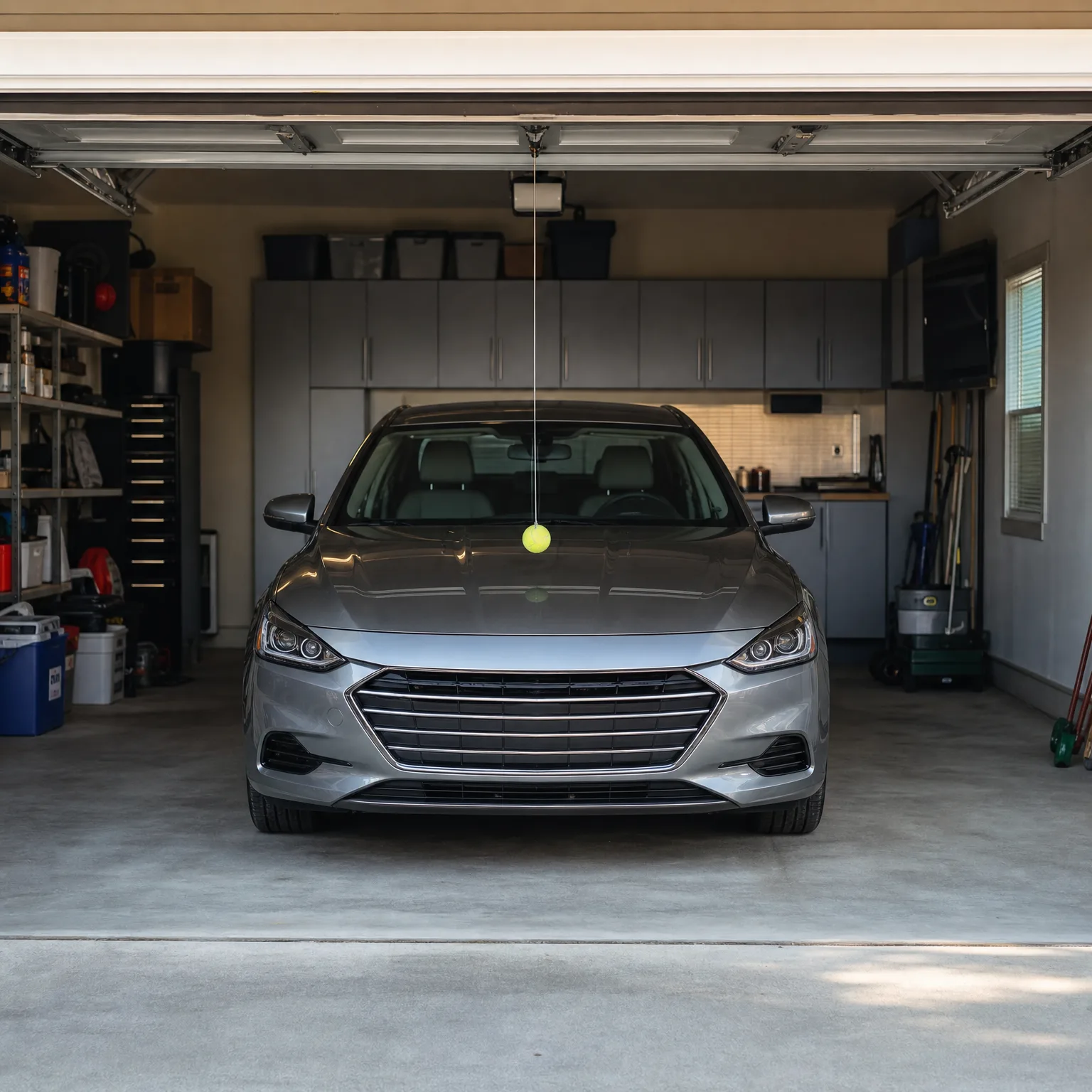
Not every insurer offers a comprehensive-only option, and the ones that do have their own rules about how long a car can sit before it qualifies. Some want proof the car won't be driven at all, like a storage facility receipt or a statement that it's parked in your own garage.
Some insurers also want the odometer reading recorded before and after storage. This protects you too. If the car is ever stolen or damaged while stored, you want a clear record showing it wasn't driven and wasn't the cause of any issue.
Call your agent or insurer directly and ask what they offer for a vehicle that's off the road for the season. Ask what documentation they need and whether there's a minimum storage period before the change takes effect.
Where you register the car still matters
Missouri requires continuous insurance on any vehicle that's registered and tagged, even if it never leaves the garage. If you want to drop coverage further than comprehensive-only, you typically need to turn in your plates and take the car off the road entirely with the state.
This is worth checking directly with the Missouri Department of Revenue, since the rules on what counts as taking a vehicle out of service, and what you need to do to reinstate it in spring, are set by the state.
If you plan to keep the car registered and just want to save money while it's parked, comprehensive-only coverage is the simpler path. If you're taking the plates off entirely, confirm with the state what paperwork you need before you do it, and with your insurer how to reinstate full coverage when you're ready to drive again.
Questions people ask about this
Will my rate go up if I switch to comprehensive-only coverage then back to full coverage?
It depends on your insurer, but most don't treat this as a lapse since the policy stayed active the whole time. Ask specifically whether switching coverage levels affects your continuous coverage history. Get the answer in writing or in an email if you can.
Does my car need to be in a garage to qualify for storage coverage?
Most insurers want the car in some kind of enclosed or secured space, but what counts varies. A locked garage almost always qualifies. A driveway or open lot might not. Ask your insurer directly what they require before you assume your situation qualifies.
What happens if my stored car gets damaged and I only have comprehensive coverage?
Comprehensive coverage pays for damage from things like fire, theft, falling objects, and weather, which covers most of what can happen to a parked car. It won't cover collision damage, but a car that isn't being driven has little risk of that.
Can I store my car and let a family member drive it occasionally over winter?
If someone else might drive the car during the storage period, say so when you talk to your insurer. Comprehensive-only coverage assumes the car isn't being driven, and an accident during that time could leave you without the coverage you expected.
Do I need to tell my insurer the exact dates I'm storing the car?
Many insurers ask for a start date and will want you to call again when you're ready to restore full coverage. Keep track of the date you made the switch and ask whether there's a required minimum period before you can change it back.
See what other insurers offer for a car that's off the road for the season.
Call your current insurer this week and ask specifically about comprehensive-only or storage coverage for a parked vehicle. Have your policy number and an idea of your storage dates ready. Ask what proof they need, whether that's a photo, a storage receipt, or just your word, and get their answer in writing. If you're also considering removing the plates, check with the Missouri Department of Revenue first, since that affects what your insurer can offer. Once you know your options, it's worth comparing what other insurers would charge for the same stored-car coverage before you commit to keeping your current policy as is.