What to Do With Your Car When You Head Home in Spring
Tell your insurer where the car actually is and for how long, before you leave rather than after.
Call your insurer before you drive home
The car's insurance needs to match where the car actually lives for most of the year, and that can change twice a year for someone who splits time between two places. If the car is heading north with you and will sit at your home address for months, your insurer should know that.
This matters because your rate was likely set based on where the car is garaged most of the year. An address that was true in January might not be true in April. Tell them the dates you're leaving and where the car will be, and ask whether anything on the policy needs to change.

Whether the car is coming with you or staying behind
If you're driving the car home, the policy needs to reflect its new garaging address once you arrive, even if that's only for part of the year. Some insurers adjust the rate for the months the car sits in a different state. Others keep it the same. Ask yours directly rather than assuming.
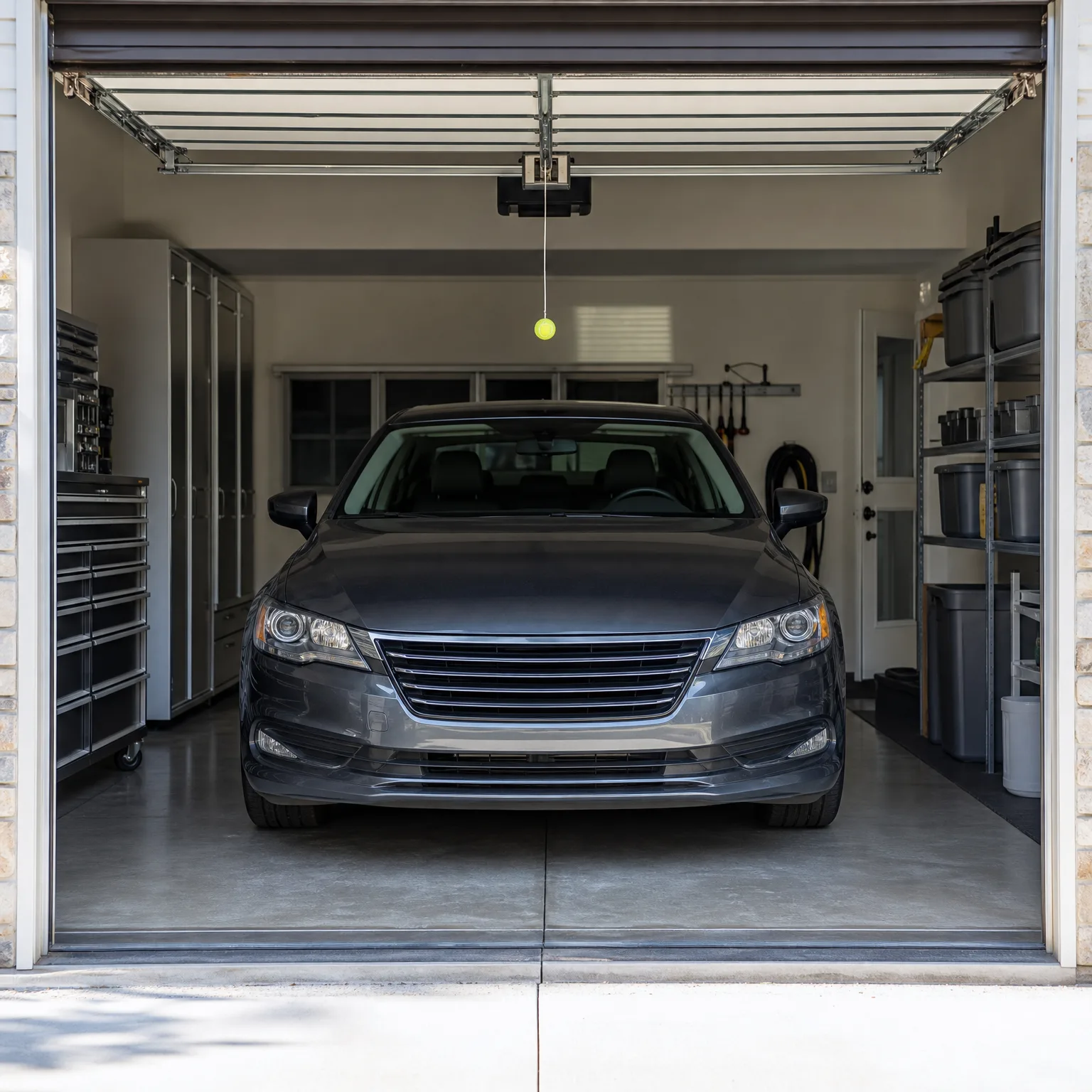
If the car is staying at the winter address while you fly home, that's a different conversation. An unused car sitting in a driveway or garage for months still needs insurance if you want it covered against theft, storm damage, or a tree branch. Dropping coverage entirely to save money leaves the car exposed the whole time you're gone.
Either way, tell your insurer what's actually happening. A policy that lists a car as garaged somewhere it hasn't been in months can cause problems if you ever need to file a claim.
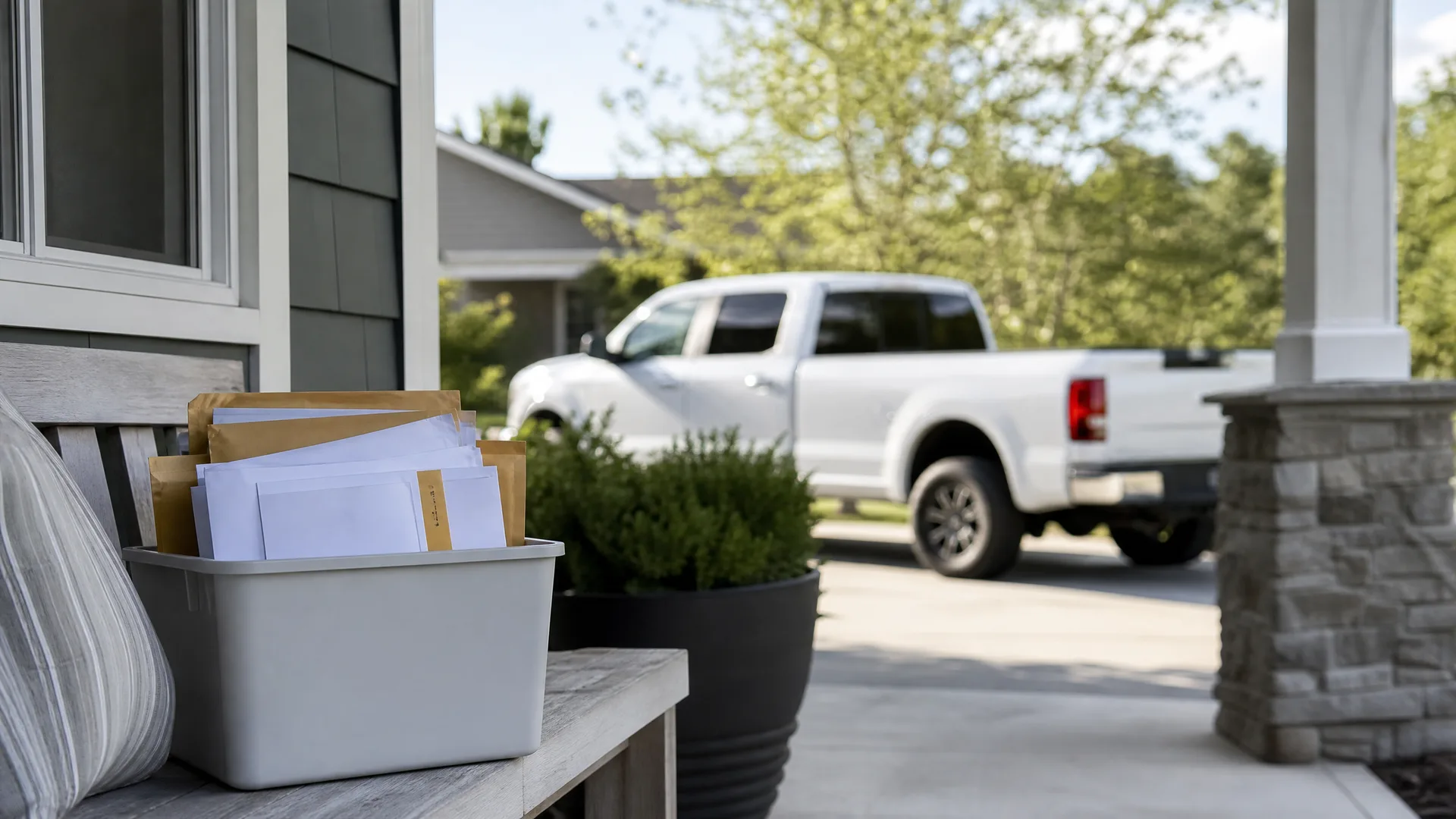
What your policy says about a parked, unused car
Some insurers let you reduce coverage on a car that won't be driven, dropping collision while keeping comprehensive so theft and weather damage are still covered. This usually costs less than keeping the full policy running for a car that isn't moving.
Before you do this, ask what happens if someone else drives the car while you're gone. If a neighbor or relative is going to start it occasionally or move it for the plow, make sure that's allowed under whatever coverage stays active.
Also ask how quickly the coverage can be put back to normal when you return. You don't want to arrive back at the car in the fall and find you're driving it on a policy that still treats it as parked.
Questions people ask about this
Do I need to tell the DMV I'm leaving for the season?
That depends on how long you're gone and whether your legal residence is changing, not just your location. If you're still a resident of the state where the car is registered, a seasonal trip usually doesn't require anything. If you're considering switching your residency to the warmer state, that's a separate decision with its own rules, and you'd want to check with that state's DMV directly.
Can I insure a car in two states at once?
No, a car is insured in one state at a time, based on where it's mainly kept. What you can do is notify your insurer when the car's primary location changes for an extended stretch, so the policy matches reality. Ask your insurer how they handle a car that splits time between two states each year.
Will my rate go up if I register the car somewhere new?
It depends on the insurer and the state, since rates are based partly on location. Some snowbirds keep the car registered in their home state even while spending months elsewhere, as long as that's legal under both states' residency rules. Ask your insurer what garaging address they'll use and whether that changes your premium.
Should I remove a driver from the policy while I'm away?
Only if that driver truly won't be using any vehicle on the policy during that time. If someone is staying behind and still driving a different car you own, they likely still need to be listed. Ask your insurer what happens if a removed driver ends up behind the wheel before they're added back.
What happens if something happens to the car while it's parked and unused?
That depends entirely on what coverage you kept active. A car with comprehensive coverage is still protected against theft, fire, or weather damage even while parked. A car with no coverage at all has no protection until a policy is back in place. Check exactly what you're keeping before you leave, not after something happens.
See what it costs to keep your car properly covered at both addresses.
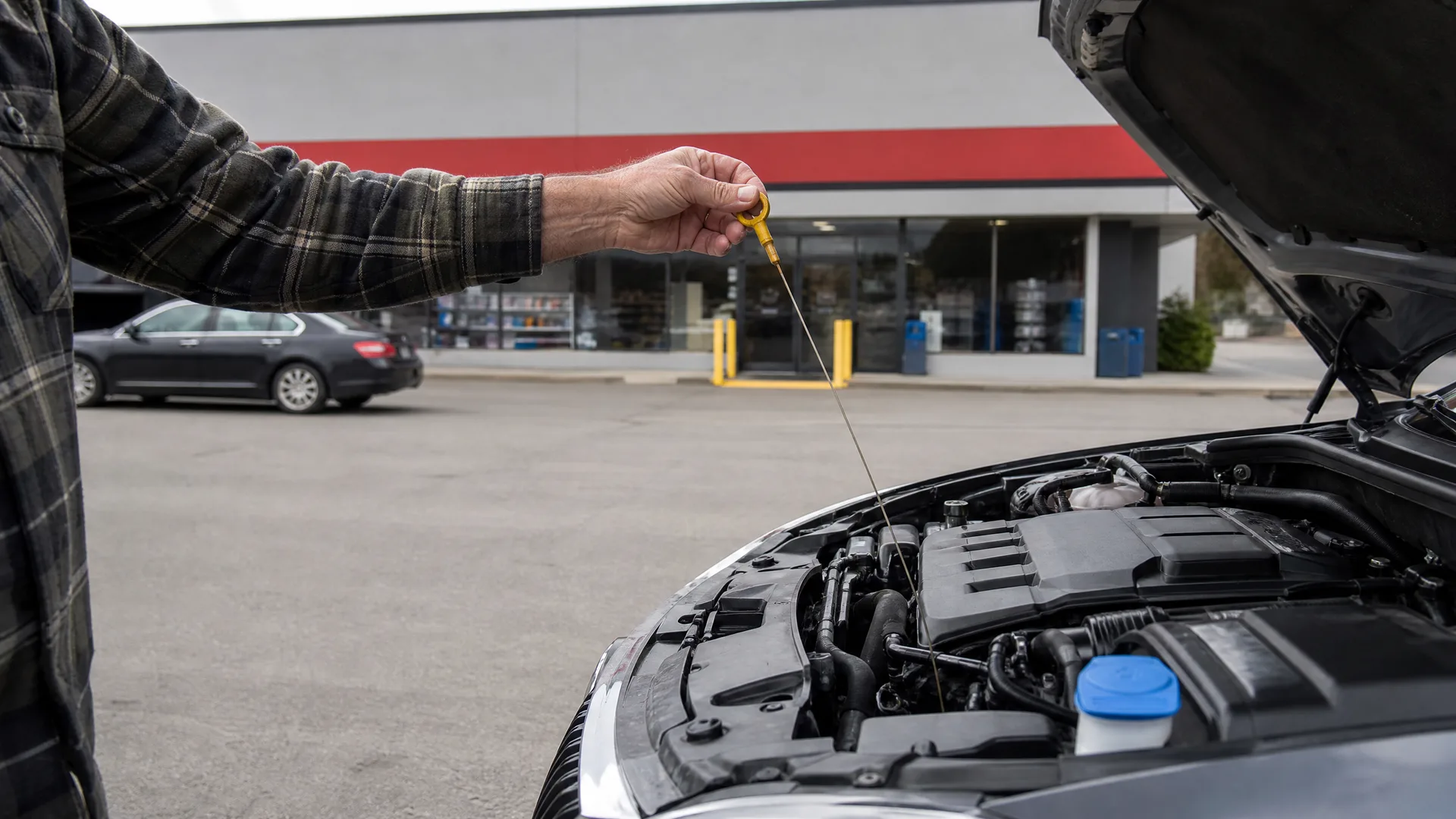
Before you leave, call your insurer and tell them the exact dates and where the car will be. Have your policy number and both addresses ready. Ask specifically whether your coverage changes automatically or whether you need to request it. If the car is staying behind unused, ask what reduced coverage options exist and what they still protect against. Write down who to call when you're ready to switch things back, so it isn't something you're guessing at in the fall.