What Happens If Someone Drives My Stored Car
Your policy follows the car, so what you're covered for while it's stored decides what happens if someone else drives it and something goes wrong.
It depends on your coverage and who was driving
If you've kept liability and physical damage coverage active on the stored car, your policy is what responds to a crash, a theft, or damage someone else causes while driving it. The person behind the wheel matters less than what your policy covers and whether they had your permission.
Most personal auto policies extend to permissive drivers, meaning someone you allowed to drive the car is generally covered the same way you would be. If you dropped to a storage policy that only covers the car while it's parked, comprehensive coverage for fire, theft, or falling objects, there's no liability or collision coverage if it's driven and gets into an accident. Check what your policy actually includes before anyone starts the engine.
What kind of policy you kept on it
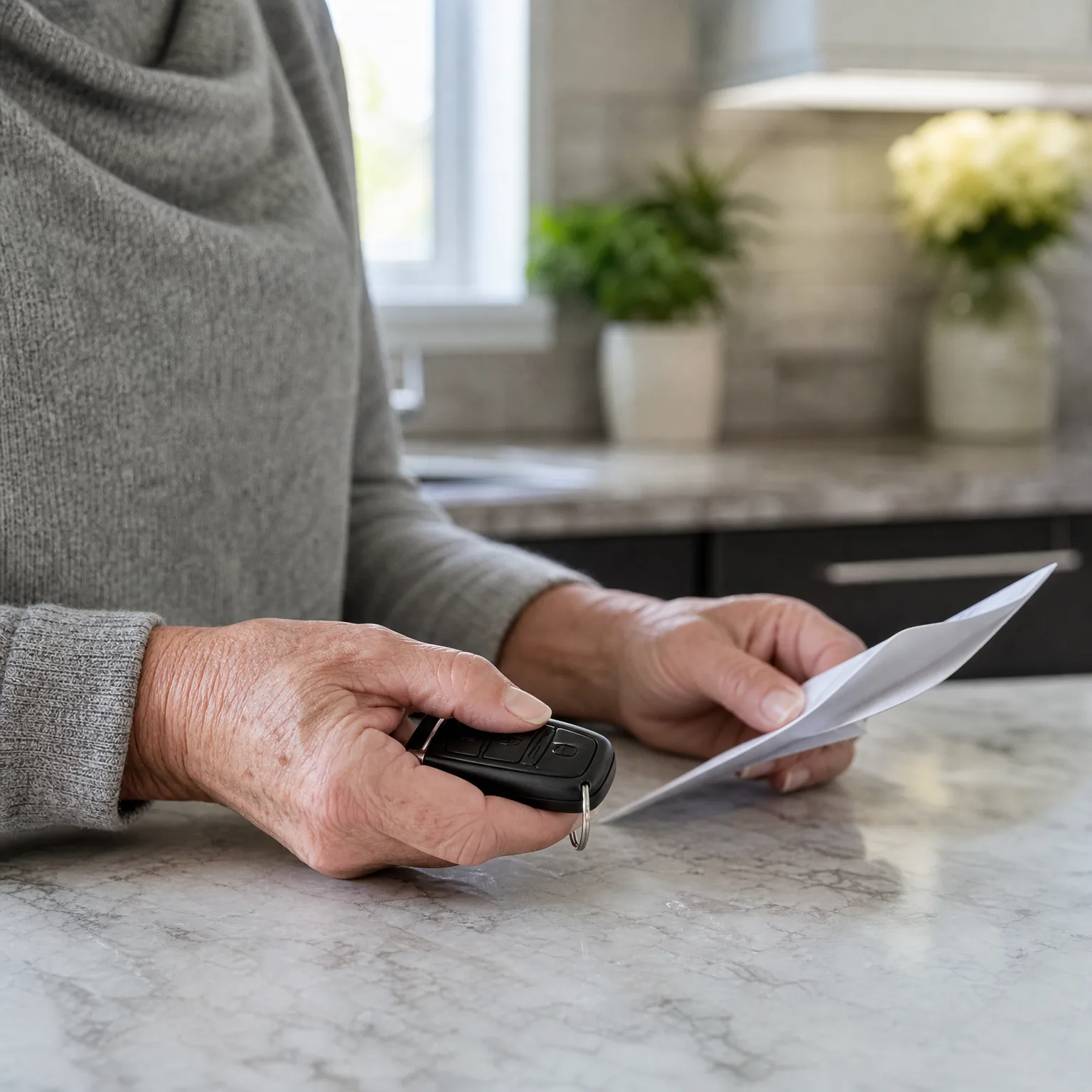
A lot of people reduce coverage on a stored car to save money, dropping liability and collision and keeping only comprehensive. That's reasonable if the car truly isn't moving, but it means there's no coverage if someone drives it and causes an accident. If you did this, the stored car has no protection for a collision, no liability if someone is hurt, nothing beyond the comprehensive piece.
If you kept full coverage active, the policy likely treats a permitted driver the way it would treat you, subject to your policy's terms. Pull out your declarations page and look for what's listed. If it says comprehensive only or names a storage endorsement, that tells you what's missing.
Some insurers require you to notify them before anyone other than you drives the car, especially if it's on a reduced coverage plan. If you didn't tell them and something happens, they may question the claim. Call and ask what your policy requires before you hand over the keys.
If the car is going to be driven even occasionally while stored, like a family member taking it out to keep the battery charged, tell your insurer that upfront. It's a different situation than true storage and your policy needs to reflect it.
Who was driving and why
If the person driving had your permission, most insurers treat the situation as if you were driving it yourself, meaning your policy's limits and terms apply. If they didn't have permission, if someone took the car without asking or you'd explicitly told them not to drive it, that changes things. Unauthorized use can shift the claim toward the driver's own insurance, or raise questions your insurer will want answered before paying anything.
A repair shop, a storage facility employee, or someone moving the car for you falls into a different category than a friend or family member borrowing it. Ask your insurer directly how they handle non-owner drivers in a storage arrangement, since this varies by insurer and sometimes by state.
If the driver has their own auto insurance, it may also come into play depending on the state and the specific policies involved. Some states follow a rule where the car's insurance pays first and the driver's policy is secondary. Ask your insurer which applies to you.
Questions people ask about this
Does my car insurance still cover theft while the car is in storage?
Comprehensive coverage typically covers theft of a stored car, even on a reduced storage policy. Check your declarations page to confirm comprehensive is still active, since some people drop it along with liability and collision to save money. If the storage facility has its own insurance for theft or damage, ask how that interacts with your policy.
Do I need to tell my insurer if someone else will be driving my stored car?
Yes, it's worth telling your insurer directly rather than assuming you're covered. Some storage policies restrict who can drive the car and require notice if that changes. Calling ahead avoids a dispute later if a claim comes up and the insurer finds out someone else was behind the wheel.
What happens if my stored car is damaged by someone moving it without permission?
This usually becomes a liability question aimed at the person who moved it, not automatically covered by your policy. If a repair shop or storage facility employee caused the damage, their business insurance may be responsible instead. Ask your insurer how they want you to document the damage and who they consider at fault before filing a claim.
Can I add a temporary driver to my stored car's policy?
Many insurers allow you to add a driver temporarily, though the process and whether it's needed depends on your insurer and your policy type. If someone will be driving the car regularly during storage, ask whether adding them formally changes your premium or your coverage. This is different from a one-time permissive use situation.
Does storing my car in someone else's garage change my coverage?
Where the car is stored can affect your policy, particularly if you moved it to a different state or a location with different theft risk. Tell your insurer the car's storage address, since this affects both your premium and whether certain claims are handled correctly. Some policies tie coverage to the address on file.
If your stored car's coverage doesn't match how it's actually being used, see what other insurers would charge to cover it properly.
Pull out your current policy and find the declarations page for the stored car. Look for whether liability and collision are listed or whether it's comprehensive only. Call your insurer, explain who might be driving the car and why, and ask them directly how a claim would be handled in that situation. If the answer doesn't match how the car is actually being used, ask what it would cost to adjust the coverage rather than leaving it as is. Do this before anyone drives the car again, not after something happens.