Snowbird Checklist Before Heading South
Before you drive south, tell your insurer where the car will actually be and for how long.
Call your insurer before you go, not after
Your policy follows you to another state, but your insurer still needs to know the car will be parked somewhere else for weeks or months. Call them before you leave and tell them where you're headed and for roughly how long.
This matters more than most snowbirds think. Your rate is partly based on where the car is normally kept, and if you're garaging it in another state for a long stretch, your insurer may want that on file. It also means they have the right address and timeline if anything happens while you're gone or while you're there.

Whether you're driving your own car or leaving it behind
If you're driving your car south and back, the checklist is mostly about paperwork. Bring your insurance card, your registration, and a way to reach your agent, since a claim in another state goes smoother when you can answer questions on the spot.
If you're leaving your car at home and renting or buying a second car down south, that's a different conversation with your insurer. A second vehicle, even a seasonal one, usually means a separate policy or an endorsement, and your insurer needs to know it exists before you need it, not after.
Either way, ask your insurer directly what changes, if anything, when your car crosses state lines for an extended stay. Some don't require anything. Others want notice. You won't know which until you ask.
If you're flying and renting a car each season instead of keeping one there, ask whether your policy's rental coverage still applies the way you expect for a rental that long.
What your state requires if you're gone a long stretch
Some states expect you to update your address, your registration, or even your license if you're spending a long part of the year somewhere else. This is set by your home state and your destination state, not by your insurer, so the honest move is to check with your state's DMV before you leave.
This isn't only about insurance. A license or registration that lists the wrong primary address can cause its own problems, separate from any issue with your policy.
If you own property or rent long-term in the state you're heading to, ask that state's DMV too. Some states have rules about how long you can be present before they expect you to register a vehicle there, and that answer depends entirely on the two states involved.
Questions people ask about this
Does my car insurance still cover me if I'm in another state for months?
Yes, your policy generally covers you anywhere in the country, including while you're away for an extended stay. What changes is whether your insurer wants to know the car's new location and how long you'll be there, so tell them before you go rather than assuming it doesn't matter.
Do I need to switch my driver's license if I winter in another state?
This depends on your home state's rules about how long you can be away before they consider you a resident elsewhere. Check with your state's DMV directly, since this is a state rule and not something your insurer decides.
Should I tell my insurer my house will be empty while I'm away?
If you have homeowners or renters insurance on the house you're leaving, yes, ask your insurer what they expect when a home sits empty for a long stretch. Some policies have specific requirements for vacant properties, and this is separate from your auto policy.
Can I cancel car insurance for the months I'm not driving my car at home?
Ask your insurer what your options are if your car will sit unused for months, since some offer a reduced coverage option rather than a full cancellation. Cancelling entirely can affect your coverage history and your rate later, so get the specifics before deciding.
What should I bring in the car in case something happens on the drive down?
Bring your insurance card, your registration, your license, and a note of who to call at your insurance company if you need to file a claim on the road. It also helps to know whether your policy includes roadside assistance and what number to call for it in another state.
See what it might cost to cover a second car or adjust your policy before you go.
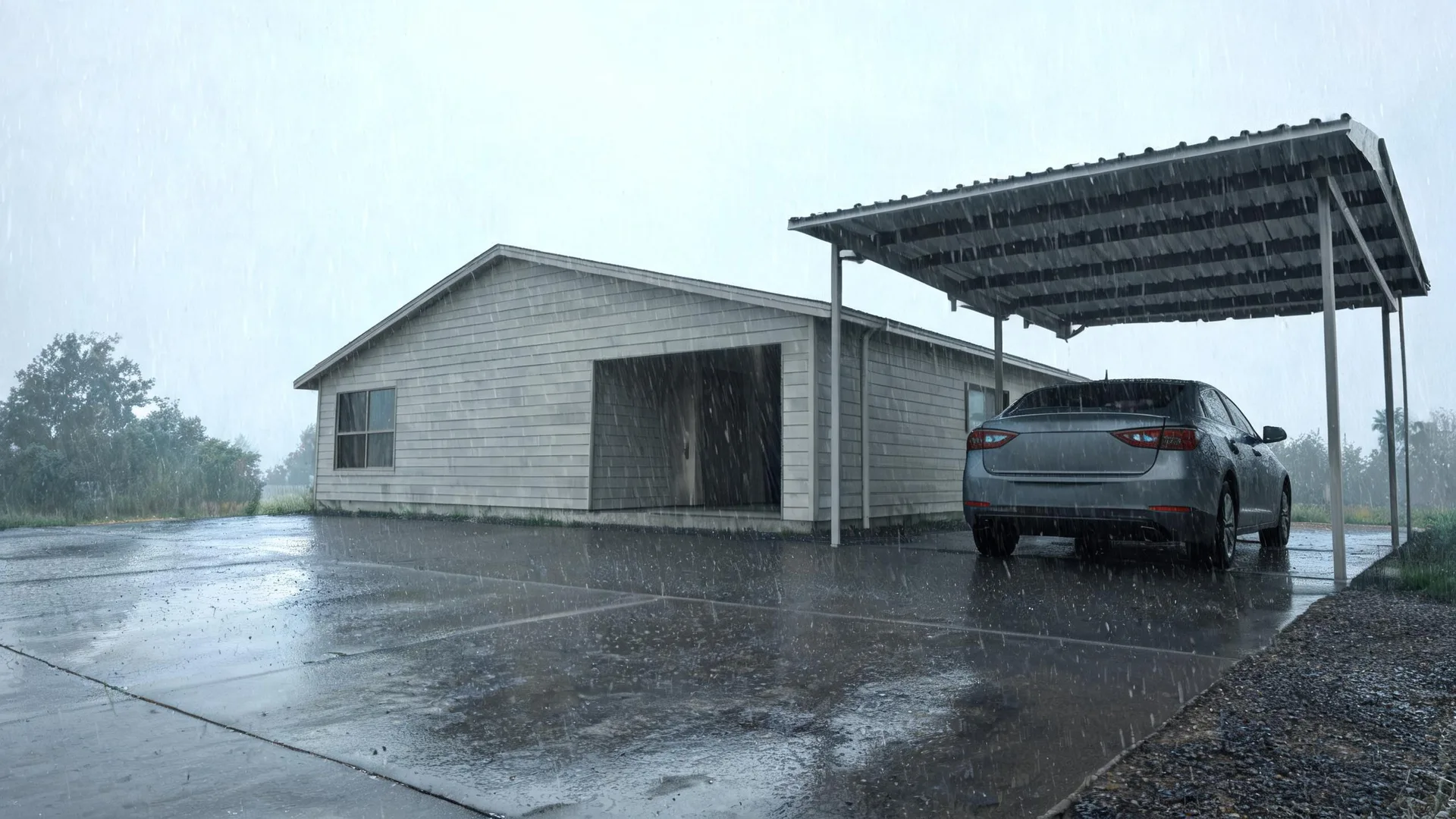
Call your insurer this week and tell them where the car is going and for how long. Ask directly whether anything changes about your coverage or your rate because of it. If you're bringing or buying a second vehicle for the season, ask what that requires before you need to use it. Check with your state's DMV about any residency or registration rules tied to how long you'll be away. Keep your insurance card, registration, and agent's contact information somewhere easy to reach for the drive down.