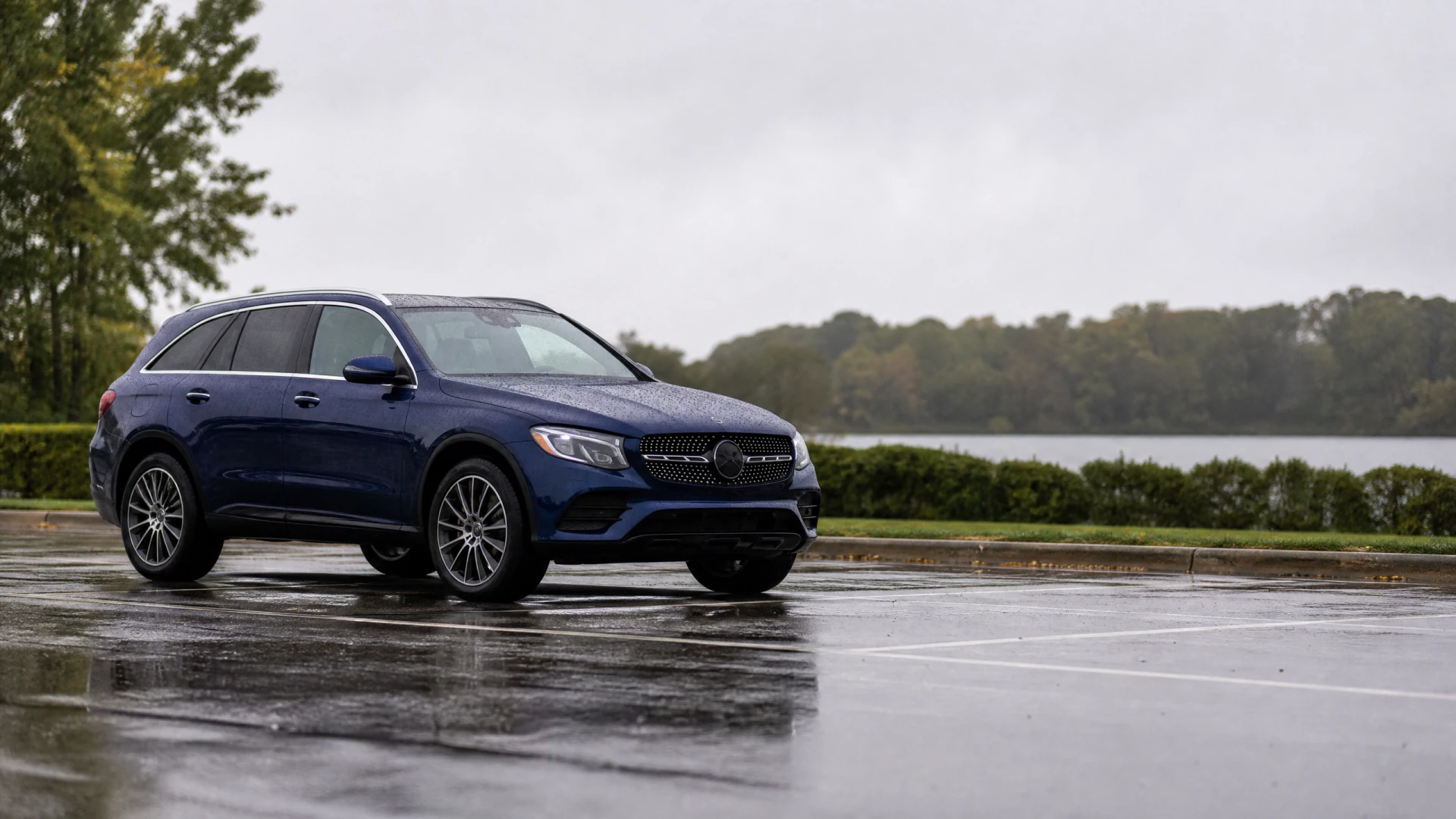
Snowbird Car Insurance in The Villages, FL
You can insure a car you keep in two states, but your insurer needs to know both addresses before you need to use the policy.
Yes, but tell your insurer both places you keep the car
A car that spends part of the year in The Villages and part somewhere else can be insured normally. What matters is that your insurer knows the full picture: where the car is garaged most of the year, where you're licensed, and whether you consider Florida or your other state your legal residence.
Most snowbirds keep one policy and one home address, usually wherever they're registered to vote and licensed to drive. The insurer still covers the car while it's parked or driven in the other state. Where this gets complicated is if you register the car in one state but it actually lives in another for most of the year. That mismatch is the thing to sort out before anything goes wrong, not after.

Where the car is registered and garaged
Your insurer prices the policy partly on the zip code where the car is normally kept, since that affects theft rates, accident rates, and how often you'd file a claim. If your car genuinely spends more months in Florida than anywhere else, say so. If it's the reverse, say that instead.
Some snowbirds try to register in whichever state seems to offer a better rate, without actually living there most of the year. Insurers can treat this as misrepresentation if they find out, usually after a claim, which is the worst time to discover it. The honest answer protects you more than the convenient one.
If you truly split time close to evenly, call your insurer and ask how they want it handled. Some have a specific process for seasonal residents. Others will just ask which address is your primary one for licensing and voting purposes, since that usually settles it.
Whether the car sits unused for months at a time
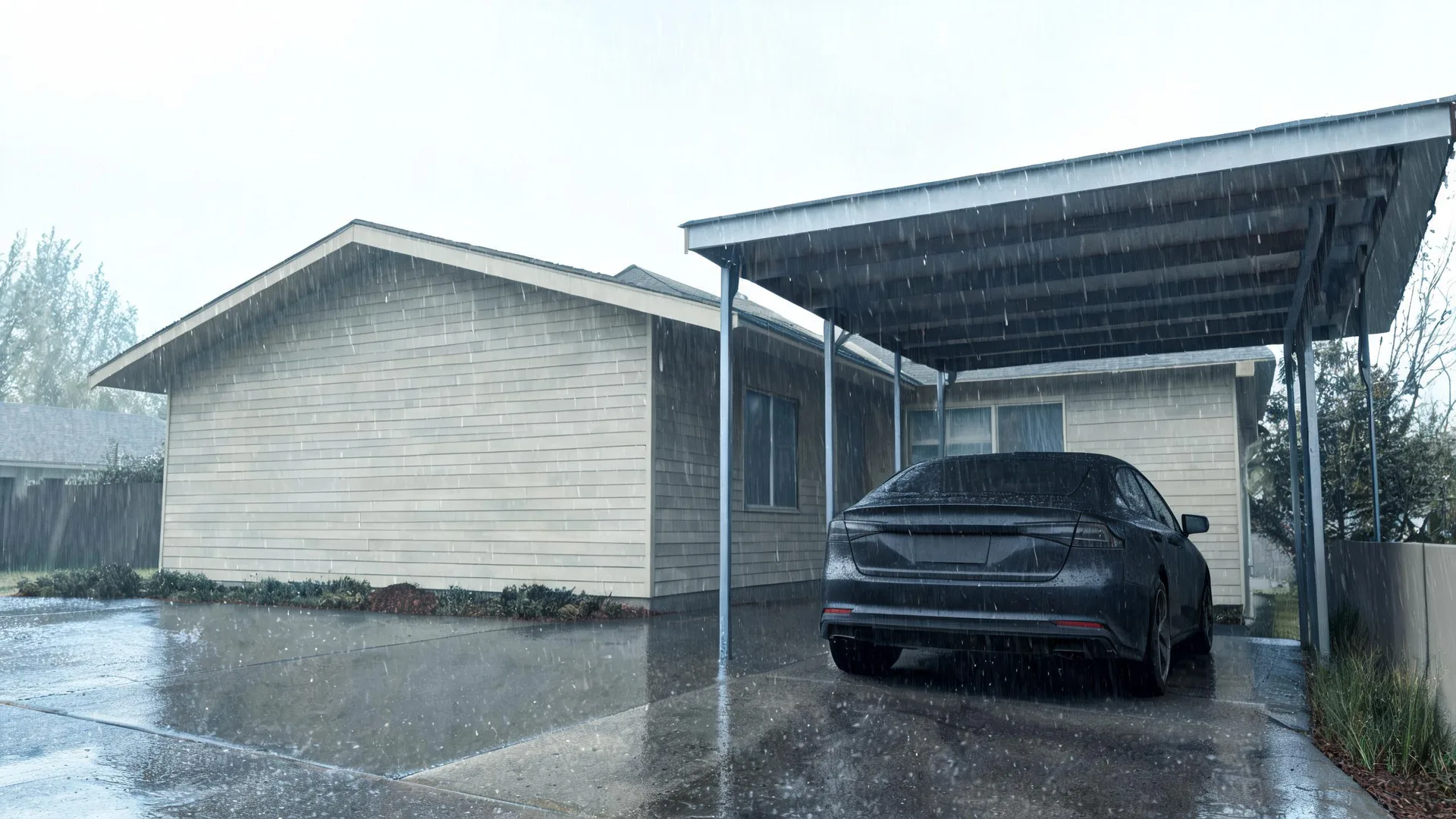
If you drive the car to The Villages and then it sits in a garage up north for several months, or the other way around, tell your insurer that too. A car that isn't being driven for a long stretch sometimes qualifies for a reduced rate during that period, but only if your insurer knows to apply it.
Ask specifically whether they offer anything for a vehicle that's parked and not driven for an extended season. Some insurers do, some don't, and it's worth asking plainly rather than assuming either way.
Also ask what happens to coverage if the car sits uninsured-feeling but is still registered. Liability and comprehensive coverage usually need to stay active the whole time the car is registered and titled, even if nobody's driving it, so don't let the policy lapse just because the car isn't moving.
Questions people ask about this
Do I need a separate car insurance policy for my car in Florida and my car up north?
Not necessarily, if you only own one car that travels with you. If you own two cars, one that stays in Florida and one that stays elsewhere, you may need separate policies or a multi-car policy that covers both, depending on how your insurer handles vehicles registered in different states. Ask your insurer directly how they'd structure it.
Which state should I register my car in as a snowbird?
This depends on which state you claim as your legal residence, which is usually wherever you're registered to vote, hold a driver's license, and file taxes. Registering a car in a state where you don't actually live can cause problems with both the DMV and your insurer. Check your state's residency rules if you're unsure which one applies to you.
Does my car insurance still cover me if I'm in an accident in the other state?
Yes, a standard auto policy covers you while driving in any state, not just the one where the car is registered. What changes from state to state is the minimum coverage required by law, so your policy automatically meets or exceeds whichever state's minimum applies where you're driving.
Will my insurance rate change if I move my primary residence to The Villages?
It can, since rates are based partly on your zip code's accident and theft history. Whether it goes up or down depends on how that compares to wherever you were insured before. Ask your insurer for a quote based on the Florida address before you make the change official.
What happens to my car insurance if I sell my home up north and become a full time Florida resident?
At that point you're no longer a snowbird for insurance purposes, and your policy should reflect Florida as your sole residence. You'll likely need to update your license, registration, and insurance address all at once. Check with your insurer about timing, since some have a window for updating this after a move.
See how other insurers would price a car that splits its year between two states.

Before your next trip between the two states, call your current insurer and tell them exactly how the car is used: where it's garaged most months, whether it sits unused for part of the year, and which address is your legal residence. Ask whether that changes your rate or your coverage. While you're at it, ask about any discount for a vehicle that's parked for an extended season, since you won't get it unless you ask. If anything about your residency has changed, your license and registration need to match it. Keep a copy of your policy declarations page with you in Florida, since it lists your coverage limits in case you need them after an accident.