
Snowbird Car Insurance From Virginia to Florida
You can keep one policy for both states, but your insurer needs to know where the car actually sits for most of the year.
One policy usually works, if you tell your insurer the truth about where you are
Most snowbirds don't need two policies. You keep your Virginia policy, or you move it to Florida, based on where you're a legal resident and where the car is garaged most of the year. What you can't do is stay silent and let your insurer assume you're in Virginia year round when you're really gone half the year.
Your agent needs to know the Florida address, how many months you're there, and whether the car travels with you or stays behind. That changes your rate either way, so there's no upside to leaving it out. It also matters for claims. If something happens in Florida and your insurer didn't know you spend part of the year there, that's a conversation you don't want to have after an accident instead of before one.

Where you're a legal resident decides more than where you park
Insurance follows legal residency, not just the address on your mail. If Virginia is still your permanent home, your license, your voter registration, your taxes, then your car insurance almost always stays with a Virginia insurer, even while you're wintering in Florida. The policy just needs to reflect that you're away part of the year.
If you've actually become a Florida resident, meaning you've changed your license, registered to vote there, and filed taxes as a resident, then your car should usually be insured and registered in Florida instead. Some retirees do this deliberately because Florida doesn't have a state income tax. If that's you, don't keep carrying Virginia insurance out of habit.
Either way, check with your state's DMV about how long you can be away before they expect you to change your registration and license. That rule is set by each state, not by your insurer, and it's worth confirming directly rather than guessing.
Whoever you end up insured with, tell them the actual pattern: which months in Virginia, which months in Florida, and where the car sits the rest of the time.
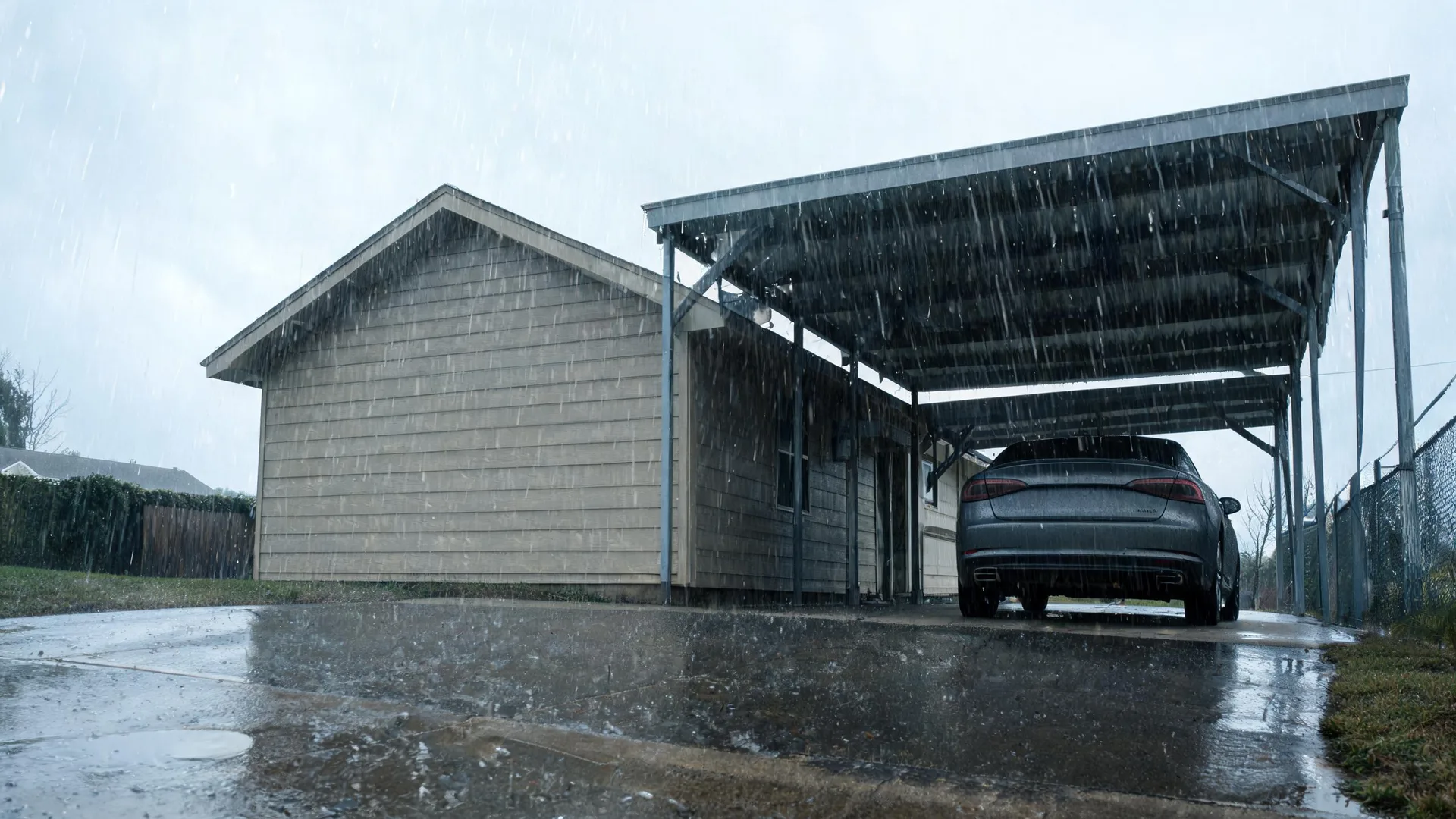
How the car is used while you're away changes your coverage
If you drive the car down to Florida and use it there, that's different from leaving it parked in a Virginia garage while you fly south. Tell your insurer which one it is.
A car that sits unused for months still needs coverage, usually comprehensive at minimum, in case of theft, weather damage, or fire. Letting the policy lapse because the car isn't moving is a common mistake, and it can cause problems picking coverage back up later.
If you drive the car in Florida, your policy needs to reflect that it's actually on Florida roads, under Florida traffic patterns and Florida weather, for part of the year. Some insurers price this differently than a car that never leaves its home state.
Ask your agent directly how the company handles a car that splits time between two states. Not every insurer handles this the same way, and some are set up for snowbirds better than others.
Questions people ask about this
Do I need a Florida driver's license if I spend winters there?
That depends on whether you've become a Florida resident or you're just visiting for part of the year. If Virginia remains your permanent home, you typically keep your Virginia license. If you've taken steps to establish Florida residency, the state may require you to switch. Check with Florida's DMV directly, since residency rules vary and carry real consequences for licensing and voting.
Can my Virginia insurer drop me for spending months in Florida?
An insurer can decline to renew a policy for various reasons, so it's worth asking yours directly whether seasonal time in another state affects your standing with them. Most insurers are used to snowbird arrangements and have a way to handle it, but you won't know their specific policy unless you ask.
Should I tell my insurer before I leave or after I'm settled in Florida?
Before you leave. Your insurer needs your address and usage pattern ahead of time, not after a claim happens. If something goes wrong while you're in Florida and your insurer didn't know you were there, that can complicate how the claim is handled.
Will my car insurance cost more if I'm in Florida part of the year?
It depends on your insurer and how they weigh Florida's roads and claims history against Virginia's. Some snowbirds see their rate change when they report time in Florida, others don't. Ask your agent how your specific policy is affected before assuming either way.
What happens to my insurance if I eventually move to Florida for good?
Once you're a Florida resident, you'll typically need a Florida-based policy, a Florida license, and Florida registration for the car. The timeline for making that switch is set by the state, so confirm the deadline with Florida's DMV rather than assuming you have as long as you want.
See what a policy built around two states actually costs before you commit to one insurer.
Call your current insurer this week and tell them plainly how you split your year between Virginia and Florida. Have your Florida address, the months you're typically there, and whether the car travels with you ready to give them. Ask how they handle residency, garaging, and claims for a car that splits time between two states. If you've already taken steps toward Florida residency, like changing your license or registering to vote there, mention that too, since it may mean you need a Florida policy instead. Then check with both states' DMVs about how long you can be away before they require you to update your registration or license.