Should Snowbirds Keep Two Cars
Keeping two cars usually costs more than switching one policy between states, but the right answer depends on how often each car sits unused.
It depends on how much each car actually gets driven
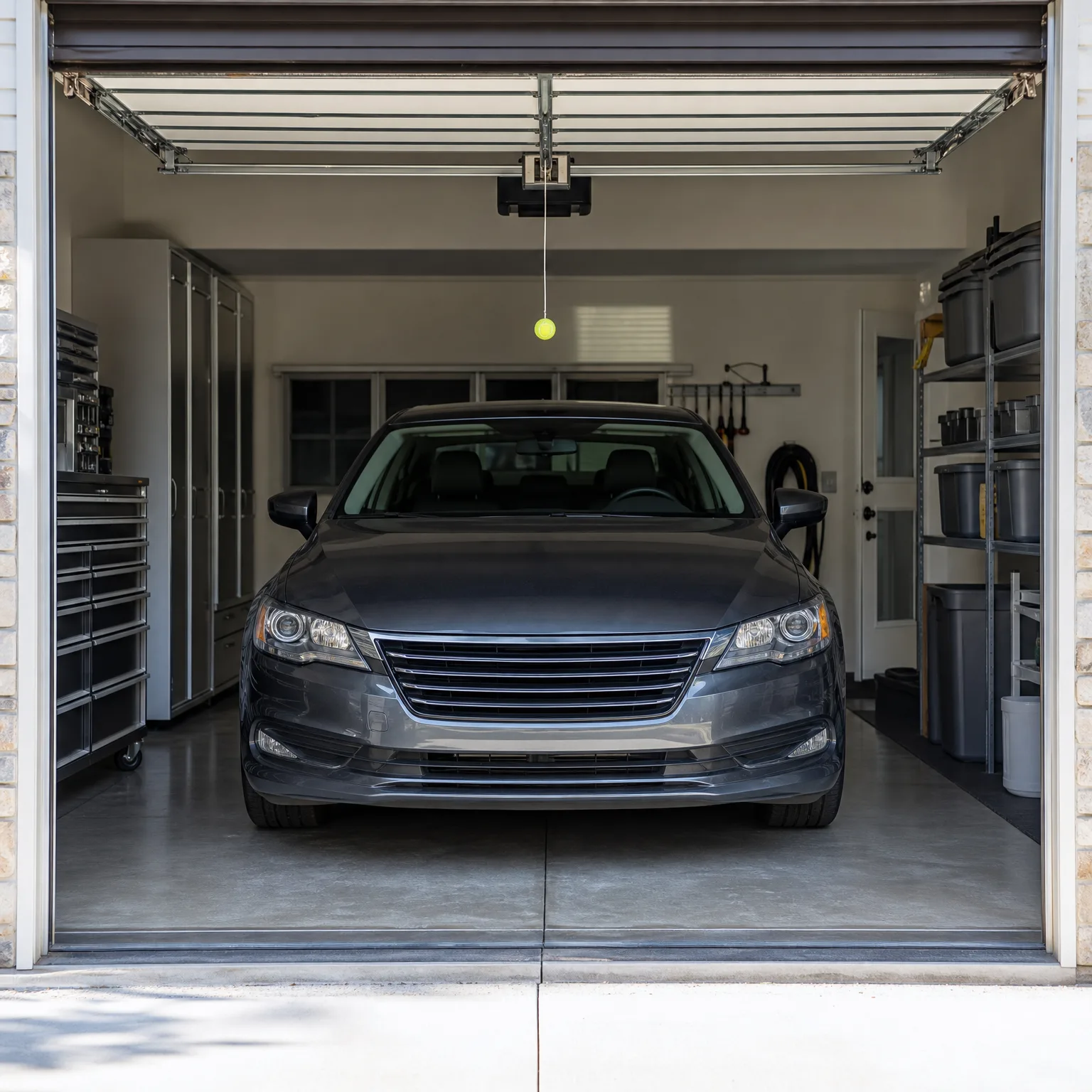
If both cars are driven regularly, in different states, for real stretches of the year, keeping two insured cars is usually the simpler and safer choice. If one car sits in a garage or driveway for months at a time, you're probably paying full price for coverage you don't need most of the year.
The answer also depends on what your insurer allows. Some let you suspend comprehensive-only coverage on a car that isn't being driven. Others don't offer that option at all, or only in certain states. Ask your agent directly what happens to your rate and your coverage if a car sits unused for part of the year before you decide.

Which state each car is registered and insured in
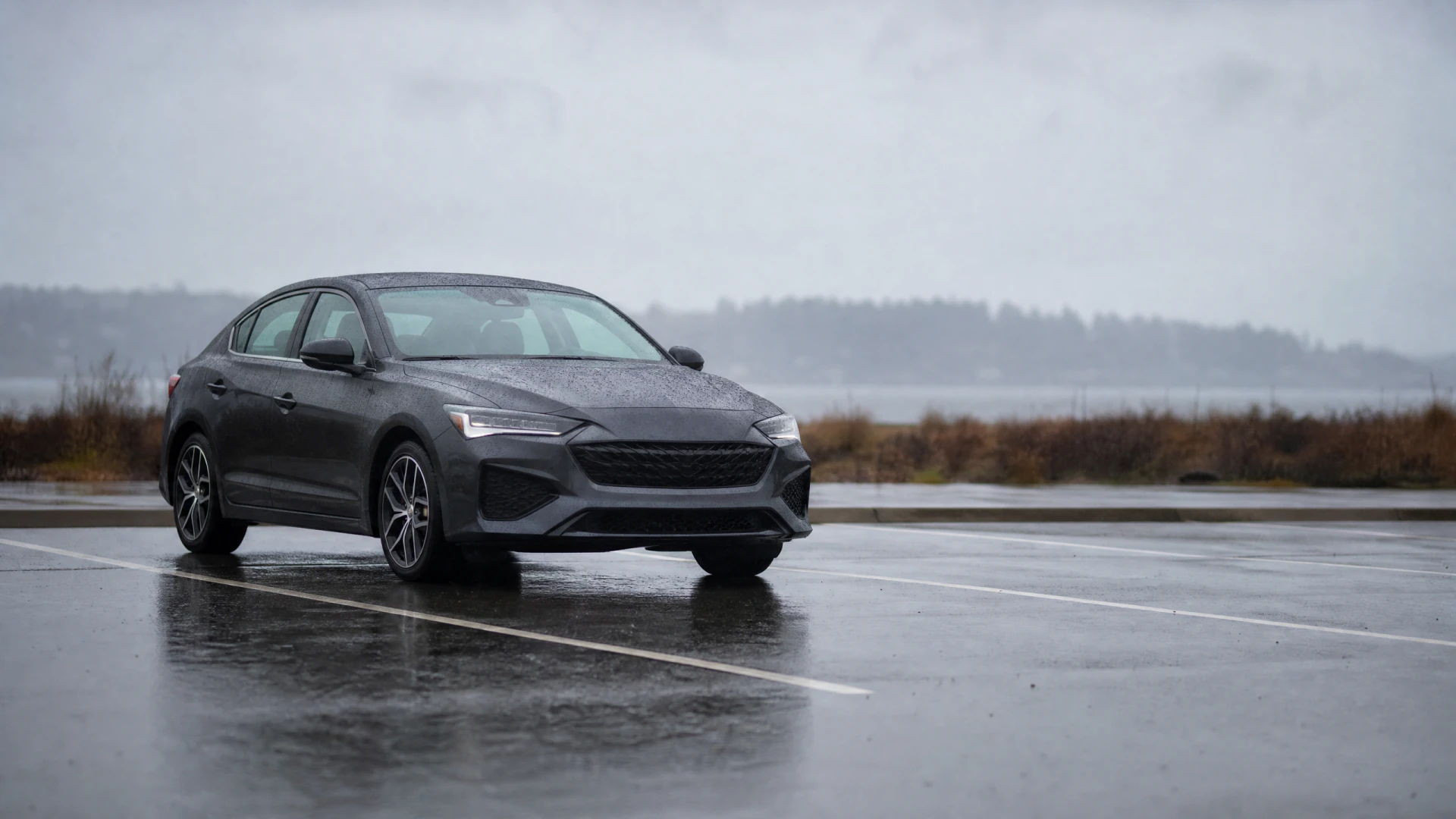
Your insurance rate is tied to where the car is registered, not where you happen to be staying. A car registered and insured in your home state, even while it sits in a southern driveway all winter, is still priced using your home state's rules and risk factors.
This matters because some states have higher minimum coverage requirements than others, and some have higher rates for things like uninsured motorist coverage or weather-related claims. If you're considering registering a second car in your winter state, check with that state's DMV about residency requirements first. Many states expect you to register a vehicle locally if you keep it there for an extended period, and the rules for how long you can wait vary by state.
If you keep both cars registered in your home state, ask your insurer whether they can write a single policy that covers both vehicles even though they're in different places most of the year. Some insurers handle this easily. Others may ask questions about where the car is garaged most of the time, since that affects the rate.
If you're thinking about registering the second car where you winter instead, understand that this usually also means getting a local license eventually, depending on how the state defines residency. That's a bigger decision than insurance alone.
Whether you can suspend coverage instead of canceling it
The biggest misunderstanding is thinking the choice is between full coverage and no coverage at all. Many insurers offer a middle option: keeping comprehensive coverage active, which protects against theft, fire, and weather damage, while suspending liability and collision coverage for the months the car isn't being driven.
This matters because a parked car can still be damaged by a storm, a falling branch, or a break-in, and comprehensive coverage is what pays for that. Dropping all coverage to save money can leave you exposed to a loss you'd have to pay for entirely yourself.
Not every state allows this kind of partial suspension, and not every insurer offers it even where it's legal. Some states also have rules about how long a car can go without active registration or insurance before penalties apply. Before you cancel anything, ask your insurer what specific options exist for a seasonal vehicle, and ask what the gap in full coverage means if the car is ever moved or driven even briefly during that time.
Questions people ask about this
Can I use one car insurance policy for two states?
Some insurers can cover vehicles registered in different states under one policy, but many can't, or will only do it if you have a local agent in each state. Ask your current insurer directly, since this varies a great deal by company. If they can't, you may need separate policies, which is worth comparing against the cost of one combined policy elsewhere.
Do I need a new driver's license if I spend winters in another state?
Only if that state considers you a resident, and the rules for what counts as residency vary by state. Some trigger it based on how many months you stay, others look at where you're registered to vote or where you file taxes. Check with the state's DMV directly rather than guessing, since getting this wrong can affect your insurance too.
Will my car insurance cover me if I'm driving in a different state than where I'm insured?
Yes, your policy generally follows you and your car wherever you drive in the country, including a state you're just visiting or wintering in. What can change is which state's minimum coverage rules apply if you're in an accident there. Ask your insurer how this works if you're unsure.
Is it cheaper to insure a car that's only driven part of the year?
It can be, but only if your insurer offers a lower rate or a suspended-coverage option for limited use. Not all insurers calculate it this way automatically, so you often have to ask for it specifically and explain how the car is actually used.
What happens to my car insurance if I leave my car parked for months?
This depends entirely on your policy and your state. Some policies continue as normal with no issue. Others require you to notify the insurer if a car goes unused for an extended period, especially if you want to keep comprehensive coverage active without paying for collision and liability. Ask your insurer what their policy requires before you leave.
See what it would cost to insure both cars, or just one, before you decide.
Call your current insurer and ask two specific questions: whether they can suspend part of your coverage while a car sits unused, and whether they can insure a second car registered in a different state under the same policy. Have both cars' registration details and your travel schedule ready, since the answer often depends on how many months each car sits idle. Also call the DMV in your winter state to ask about residency and registration rules for a vehicle kept there part of the year. Compare what you learn against a quote for two separate policies, one in each state, so you're looking at real numbers instead of guessing. Do this before your next renewal, not after you've already paid for coverage you didn't need.