Should Snowbirds Buy a Second Home
It depends more on how the home gets insured and maintained while empty than on the price of the home itself.
There's no single right answer, it depends on your situation
Buying a second home works well for some snowbirds and poorly for others, and the difference usually isn't the weather or the price of the house. It's what happens to that house for the months nobody is living in it.
An empty home for part of the year needs a different kind of insurance policy than the one on your primary residence, often at a higher cost, and it needs someone checking on it. If you've budgeted for that and you plan to go back year after year, ownership can make sense. If you're not sure how long you'll keep doing this, renting gives you the same winters without that commitment.
How the home gets insured when you're not there
A house that sits empty for months is a different risk to an insurer than one that's lived in year-round. Burst pipes, break-ins, and storm damage all go unnoticed longer when nobody's checking the place daily. Many standard homeowners policies limit coverage or add conditions for homes that are vacant for an extended stretch of the year, so the policy you'd actually need may not be the one you'd assume.
Ask any insurer you're considering how they classify a seasonal second home, and what they require of you, things like keeping the heat set above a certain point, having someone inspect the property on a schedule, or installing monitored alarms. These aren't formalities. Missing one of them can affect whether a claim gets paid.
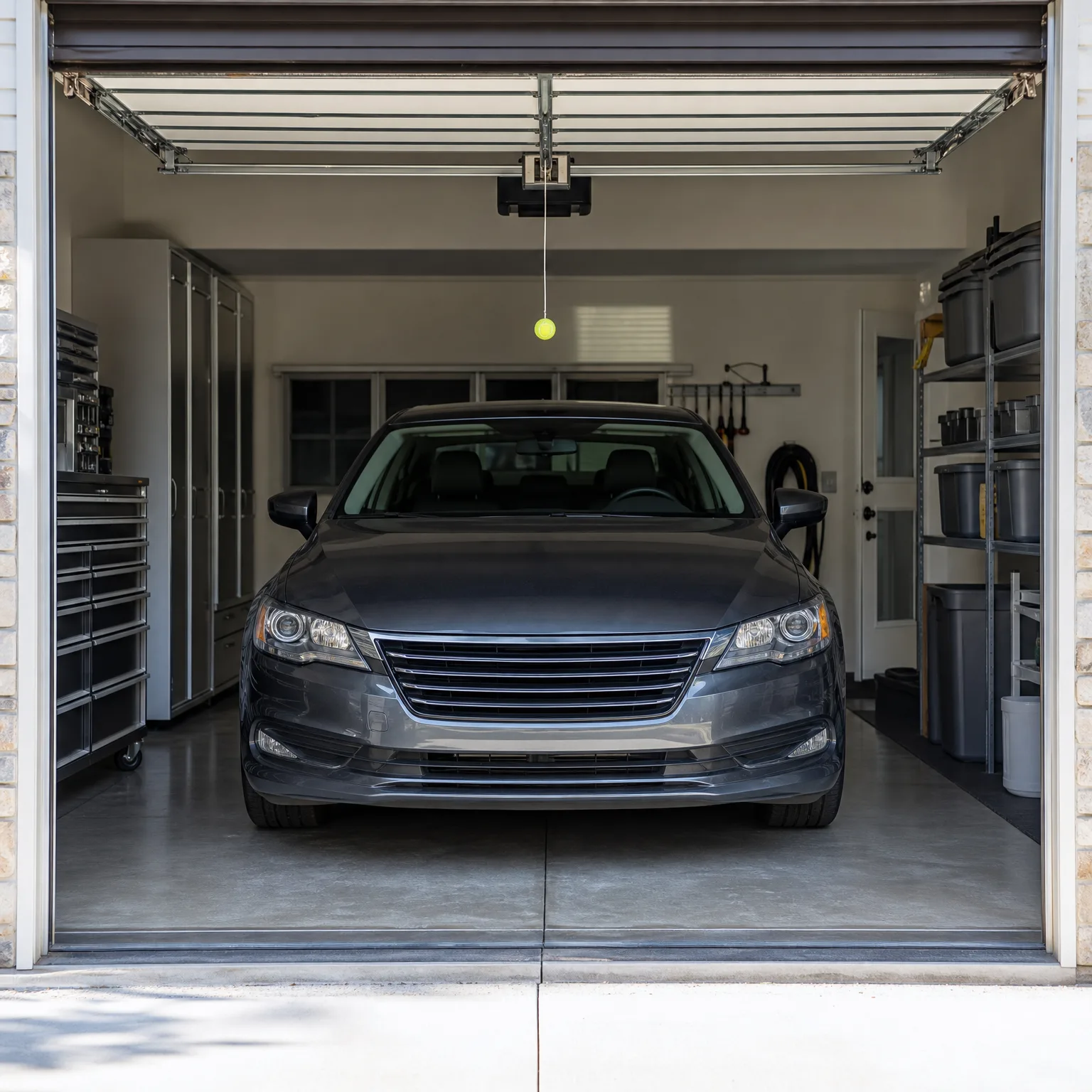
Your auto insurance is affected too. If you're garaging a car at the second home for part of the year, or driving between two states regularly, tell your insurer. Where a car is principally kept factors into your rate, and an insurer that finds out after a claim that your car spends months somewhere you didn't disclose can be a real problem.
Get a quote for a seasonal homeowners policy before you commit to buying, not after. The number you had in mind for insurance may not match what a seasonal property actually costs to cover.
What it costs to keep the place up when you leave
Owning means the house is yours to maintain even in the months you're elsewhere. Lawn care, snow removal if you're heading south, someone to check for leaks or break-ins, these all cost money and need to be arranged from a distance. Renting hands all of that to someone else.
Think about how certain you are that you'll keep making this same trip for years to come. Health, family circumstances, and simple preference change, and a house is harder to walk away from than a lease. If you're testing out a location or you're not sure how long you'll want to keep doing this, renting for a season or two first tells you a lot before you're locked into ownership.
There's also the matter of two homes, two tax situations, and sometimes two states' worth of rules to track, including how each state treats your residency for tax and insurance purposes. A tax professional familiar with multi-state residents can tell you what that means for your specific situation, since it varies by state.
Questions people ask about this
Do I need a different kind of homeowners insurance for a vacation home?
Often yes, since a home that's vacant part of the year is treated differently than a primary residence. Ask any insurer how they classify seasonal or secondary homes and what conditions come with that policy.
Will my car insurance change if I keep a car at my second home?
It can, since where a vehicle is principally garaged is part of how insurers set your rate. Tell your insurer about a vehicle that spends part of the year at a different address.
Can I rent out my second home when I'm not using it?
You can in many cases, but it usually requires telling your insurer and may call for a landlord or short-term rental policy instead of a standard homeowners policy. Ask before you list it.
How do I protect a second home from damage while it's empty?
Arrange for someone local to check on it regularly, and ask your insurer what they require, such as minimum indoor temperatures or monitored security systems. Failing to meet those conditions can affect a claim.
Does owning a home in two states complicate my taxes or residency status?
It can, and the details depend on the two states involved. A tax professional who works with multi-state or seasonal residents can walk through what applies to you.
See what a seasonal homeowners policy and your auto coverage would actually cost before you decide.
Before you make an offer on anything, call an insurer and ask what a policy would look like for a home that's vacant part of the year, including any conditions they'd require of you. Ask your current auto insurer how garaging a car at a second address affects your policy. If you're not certain you'll want to return to the same place for years, consider renting one more season first. Once you have real insurance numbers in hand, you can compare them against what you're currently paying to rent, and the decision gets a lot clearer.