Should I Tell My Insurer I Live Part of the Year Elsewhere
Your insurer needs to know where your car actually sits most of the year, because that address is part of what your coverage is based on.
Tell them, even if it feels like it might raise your rate
Your policy is written around the address you gave your insurer. If you spend part of the year somewhere else, that matters to them because it changes things like how often your car is driven, what weather and roads it sits in, and what the local rate of theft or accidents looks like. Leaving it out doesn't protect your rate. It just means your policy may not match your real situation.
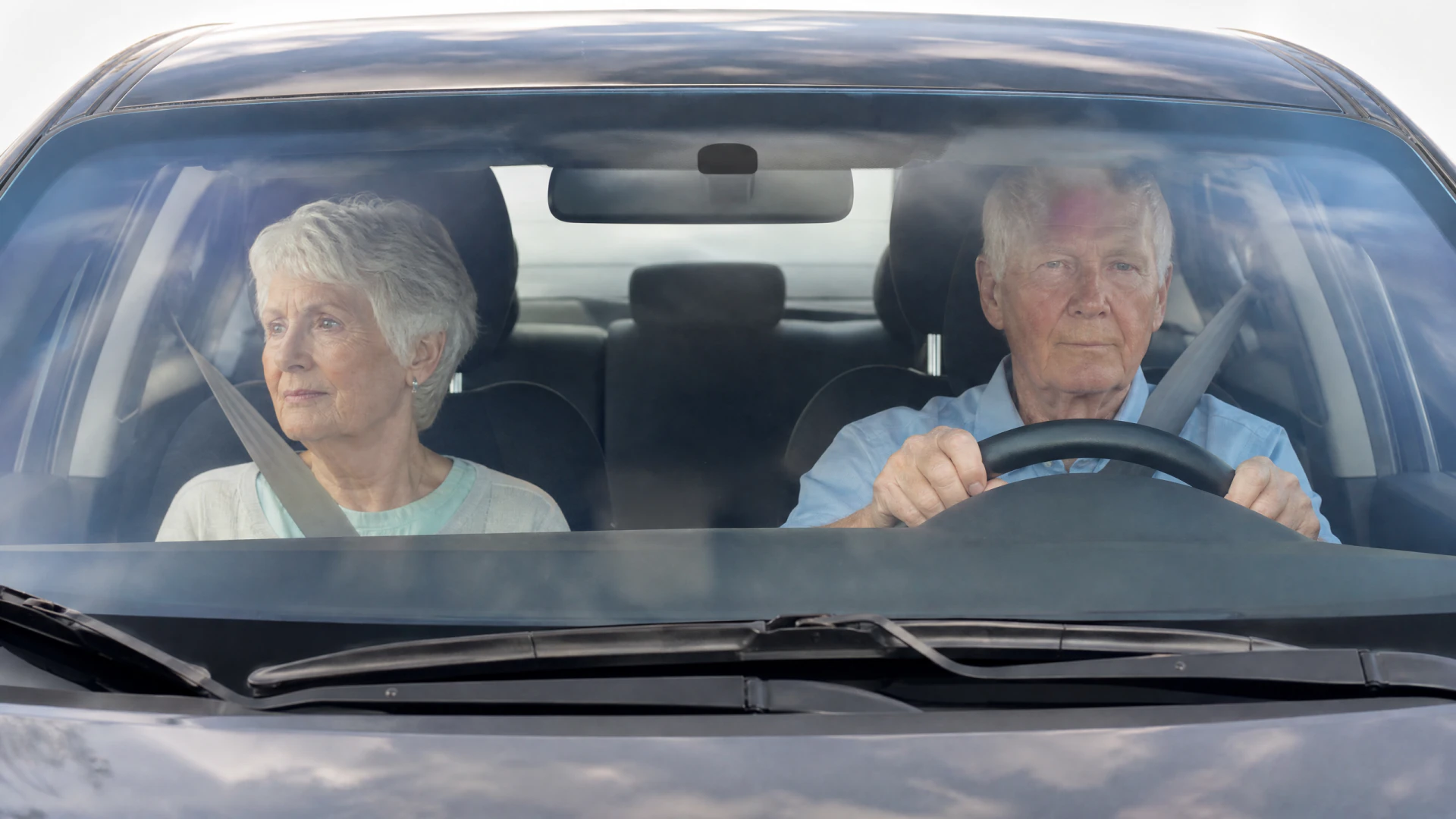
This holds no matter your age. What changes for an older driver is that seasonal living is more common, so insurers are used to the question and usually have a straightforward way to handle it. Call your agent or insurer directly and describe your situation plainly. What they do with that information depends on their rules and your state, so ask them what it means for your policy rather than guessing.
How long you're gone changes what kind of question this is
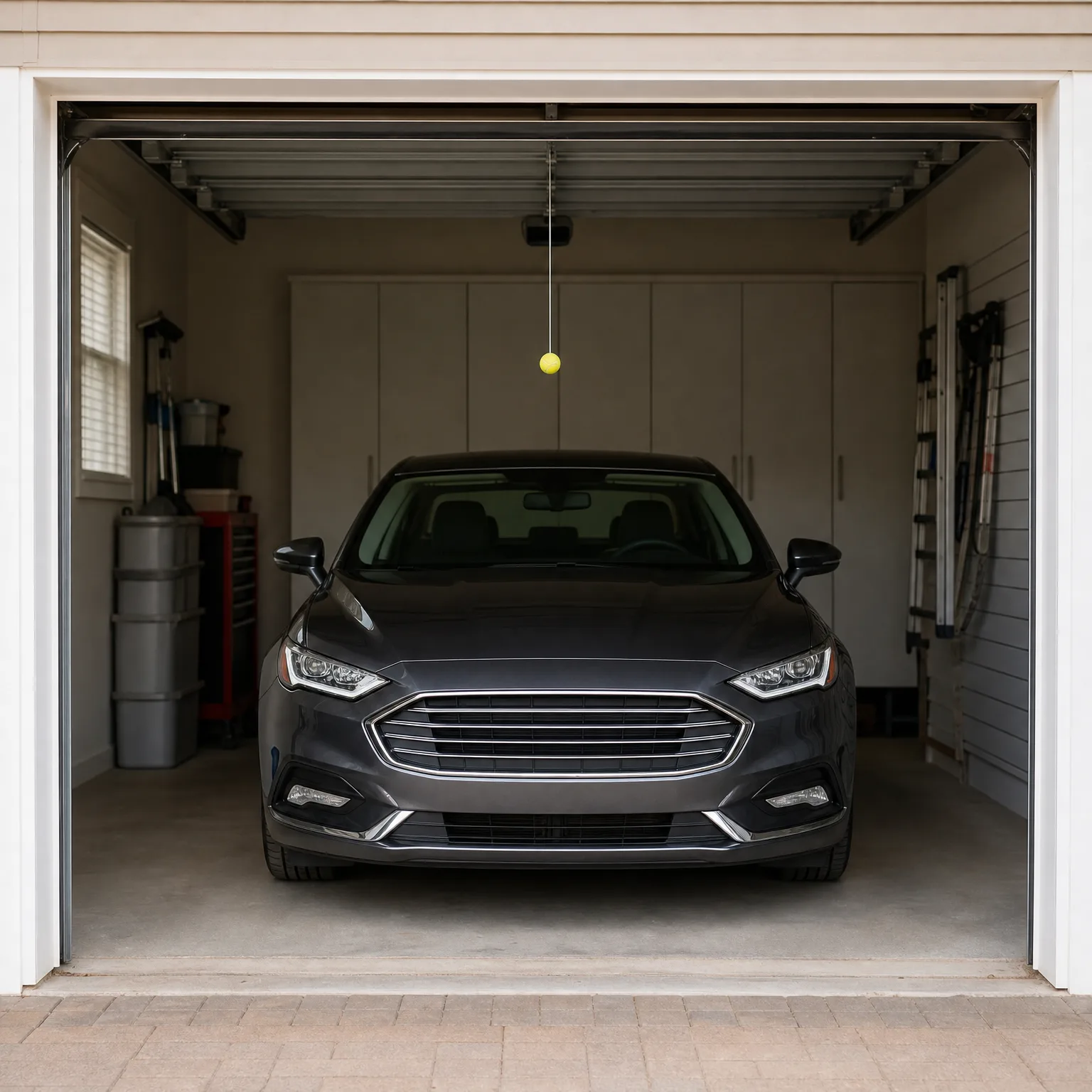
A few weeks at a relative's house is different from spending half the year in another state. Insurers generally care about where your car is garaged most of the time, since that's the address tied to your rate and your coverage.
If you're gone for an extended stretch each year, your insurer may want to note a second address or ask about how the car is used while you're away. If it sits parked and unused, that's worth mentioning too, since some policies treat a parked car differently than one being driven daily.
If you're gone long enough that your second home could be considered your main residence, that's a bigger conversation. Some states require insurance and registration to follow where you're legally domiciled, so ask your insurer how they define that and what it would mean for your current policy.
When in doubt, describe your actual schedule to your agent rather than trying to decide yourself which category you fall into. They can tell you what their company needs to know and why.
What happens if you don't say anything
The risk isn't that your insurer finds out and cancels you on the spot. The risk shows up at claim time. If you're in an accident at your second address and your insurer never knew you spent time there, they may ask why your policy doesn't reflect that, and it can slow down or complicate how your claim is handled.
It can also mean you're paying for coverage that doesn't fit your situation. If your car sits unused for months, you might be covered for things you don't need and missing coverage you do need, like comprehensive protection for a car parked somewhere unfamiliar to you.
There's also the question of where you're licensed. If you spend significant time in another state, check with that state's DMV about whether it expects you to hold a license or registration there. That's a separate question from your insurance, but the two often come up together.
None of this means you'll be penalized for being honest. It means your insurer can only cover you correctly if they know where you actually are.
Questions people ask about this
Do I need a separate car insurance policy for my second home?
Not usually, if the car travels with you and comes back to one main address. Most insurers can note a second address or seasonal use on your existing policy. If you keep a separate car at the second home year-round, ask whether that car needs its own policy, since the answer depends on the insurer and the state it's kept in.
Will my insurance rate change if I tell them I live elsewhere part of the year?
It might, in either direction, depending on how the two locations compare for things insurers track, like accident rates or weather risk. Ask your insurer directly what the new address would do to your rate before assuming it will go up.
What happens to my car insurance if my car sits unused for months?
Ask your insurer whether a reduced-use or stored-car arrangement applies, since many offer some adjustment when a car isn't being driven regularly. Don't assume this happens automatically. You need to tell them the car will be parked and unused so they can set the policy up correctly.
Do I need to change my driver's license if I spend half the year in another state?
That depends on the state's residency rules, not on your insurance. Each state sets its own definition of when someone becomes a resident for licensing purposes. Check directly with the DMV in the state where you spend time to find out what applies to you.
Can my insurer drop me for not telling them I live somewhere else part of the year?
Insurers can cancel or decline to renew a policy if the information on file turns out to be inaccurate, though how and when that happens varies by company and state. The more reliable approach is to tell them upfront, so your policy reflects where you actually are and this question never comes up.
See what your coverage would look like with your situation accurately on file.

Call your current insurer or agent this week and describe your schedule exactly as it is, including how many months you spend at each address and whether your car travels with you. Ask them directly how this affects your rate, your coverage, and what address should be listed on your policy. If you'll spend significant time in another state, also check that state's DMV website for its residency and licensing rules, since that's separate from your insurance. Once you know what your current insurer would charge and offer, compare that against quotes from other insurers to see whether your situation is better served elsewhere. Keep a note of what each insurer tells you, since these answers can differ by company.