Is Car Insurance Cheaper in My Winter State
Cold winters don't make insurance cheaper or more expensive on their own. What matters is the state you're in and everything that comes with it.
Winter weather itself isn't what sets the price
No, a winter climate doesn't make car insurance cheaper. States with snow and ice often have higher claims from accidents, not lower ones, and insurers price for that.
What actually varies by state is the mix of rules and risks insurers are pricing around. Minimum coverage requirements, how common claims are, how expensive repairs and medical care run locally, and how much lawsuits cost insurers all differ by state. Snow is one risk among many, and it tends to push rates up in the places that get hit hardest, not down.
What your state requires and how claims run there
Every state sets its own minimum insurance requirements, and some require more coverage than others. A state that requires higher liability limits or adds coverage types like no-fault medical coverage will usually have higher average premiums, regardless of climate.
Claims frequency and severity matter just as much. A state with more crashes per driver, more total losses from weather, or higher costs for auto repair and medical treatment will see that reflected in rates across the board. Winter states can go either way here. Heavy snow and ice raise accident rates in some places, while other cold states have good road maintenance and lower crash rates than warmer states with more traffic.
If you're comparing your current state to a winter state, the fastest way to see where you stand is to check what that state requires for minimum coverage and ask an agent licensed there what a typical rate looks like for your profile. The requirement alone tells you part of the story, not all of it.
Your own driving record and car matter more than the weather
Your rate is built mostly around you, not the state's forecast. Your driving history, your age, how long you've been licensed, and the car you drive carry more weight than whether the state gets snow.
A clean record and a modest car will cost less to insure almost anywhere, winter state or not. A history of claims or tickets will cost more almost anywhere too. If you're moving to or from a winter state, ask your current insurer whether they write policies there and what changes on your policy, since the same company may price you differently based on local risk even if nothing about you has changed.
It's also worth asking whether your car is suited to winter conditions if you're relocating. Some insurers factor in whether a vehicle has four-wheel drive or certain safety features, and that can offset some of the risk a winter climate adds.
Questions people ask about this
Does snow and ice raise my car insurance rate?
It can, if your state or area sees more weather-related accidents as a result. Insurers price based on claims history for your location, so a winter state with a lot of ice-related crashes may carry higher rates than a winter state with well-maintained roads and fewer incidents.
Is car insurance cheaper in states with no snow at all?
Not necessarily. States without snow still have their own cost drivers, including traffic density, minimum coverage requirements, and local repair and medical costs. Some of the most expensive states for car insurance never see winter weather.
Will my rate change if I move to a different state?
Yes, it will be recalculated based on your new state's requirements and risk factors. Ask your insurer whether they're licensed in the new state and what the rate looks like there before you move, since the same policy can price very differently across a state line.
Do I need different coverage for winter driving?
That depends on your state's requirements and your own car, not on the season itself. Some drivers in snow-prone areas choose comprehensive coverage for weather-related damage, but whether that's required or just worth considering is a question for your insurer.
Can I get a discount for safe winter driving?
Some insurers offer discounts tied to safe driving records or completion of a defensive driving course, which can be useful in areas with harder winters. Ask your insurer directly whether they offer one and what it takes to qualify.
See what drivers in your state are actually paying before you assume the weather explains it.
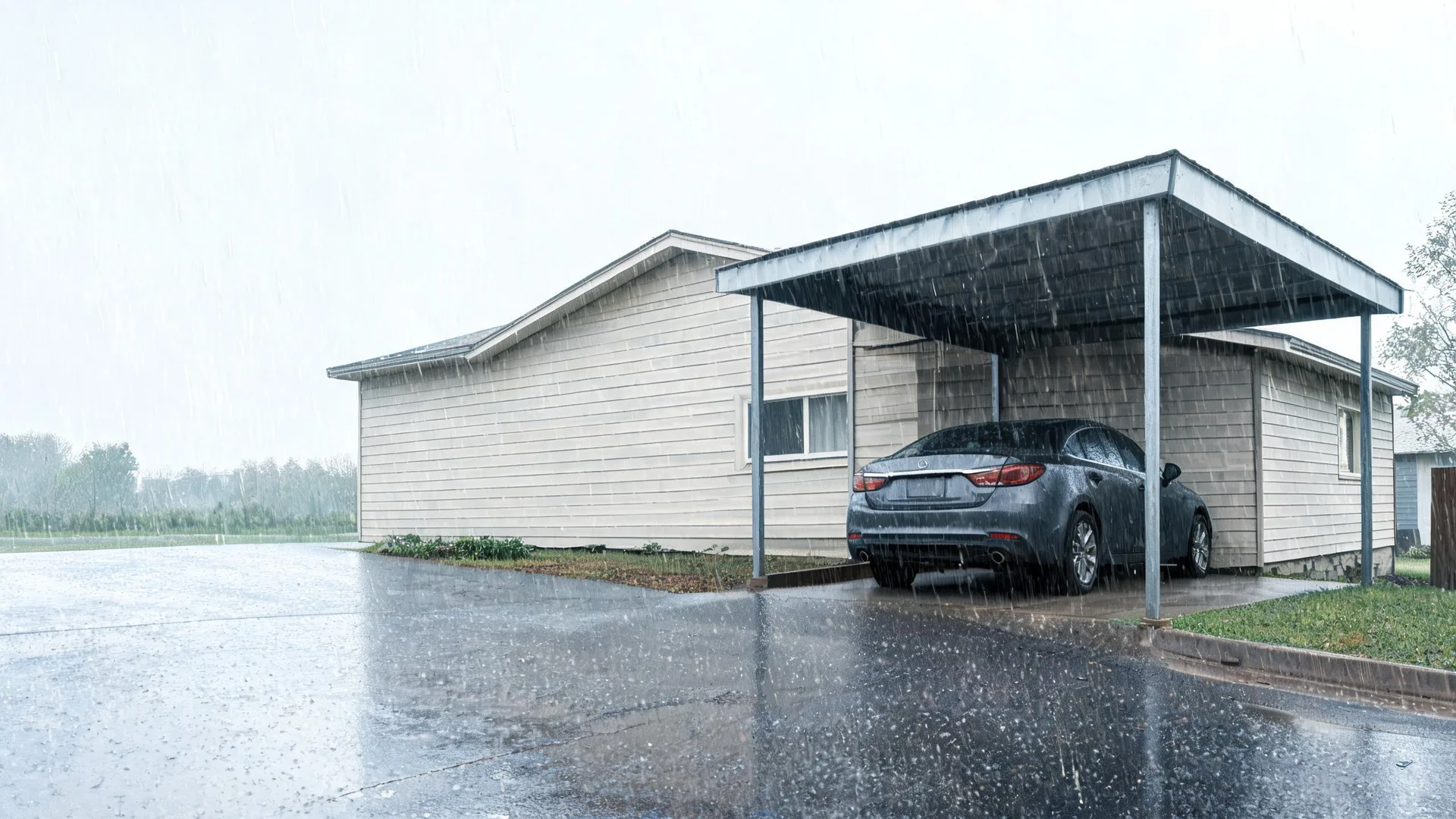
Pull up your current policy and note your coverage limits and your driving record as it stands today. If you're comparing states, look up that state's minimum coverage requirements, since that alone can explain part of any difference you see. Ask your insurer whether they're licensed in the state you're considering and what a quote looks like there. If you're staying put, ask them directly what's driving your current rate rather than assuming it's the climate. Comparing a few quotes for your actual situation will tell you more than any general rule about winter states.