How Cold Is Too Cold for Driving a Car
No law sets a cutoff temperature, but cold affects your tires, your battery, and the ice you can't always see.
There's no temperature that makes driving illegal
Cold itself doesn't stop you from driving. What makes driving dangerous in cold weather is what comes with it. Ice on the road, reduced visibility, a battery that struggles to start, tires that lose grip as rubber stiffens in low temperatures.
The real question isn't how cold is too cold. It's whether your car is ready for the cold you're driving in, and whether the road itself has turned into a hazard. A clear, dry road at a low temperature is far safer than a slightly warmer road covered in black ice.

Road conditions matter more than the number on the thermometer
Black ice forms when the road surface is at or below freezing and moisture on it refreezes, often in a thin layer you can't see until you're on it. This happens most on bridges, overpasses, and shaded stretches of road, since they cool faster than open pavement.
A temperature reading from your dashboard or your phone tells you the air temperature, not the road surface. The road can be colder than the air, especially overnight and early in the morning.
If you're driving somewhere unfamiliar in cold weather, check for a state transportation department site or local news source that reports road conditions, not just the forecast. Many states post real-time road condition maps during winter months.
If you do hit a patch of ice, the safest response is to ease off the gas and avoid braking hard or turning sharply. Sudden movements are what cause a slide to become a loss of control.
Your car's condition changes what cold weather does to you
Tire pressure drops as temperatures fall, and underinflated tires grip the road less well and wear unevenly. Check your tire pressure when the weather turns, not just at your regular maintenance visit.
A car battery loses power output in cold weather, which is why cars that started fine all summer sometimes won't turn over on a cold morning. If your battery is a few years old, cold weather is often when it finally fails.
Windshield wiper fluid made for warmer months can freeze in the reservoir and lines. Switching to a fluid rated for freezing temperatures before winter avoids this.
If your car is older or you've noticed it struggling in the cold before, having it checked before the coldest months set in is worth the trouble. A mechanic can tell you whether your battery, belts, and fluids are ready for the season, which matters more than any temperature reading.
Questions people ask about this
Does cold weather affect car insurance rates?
Cold weather itself doesn't change your rate. What can affect your rate over time is a claim from a weather-related accident, since that becomes part of your driving record. Ask your insurer how they treat weather-related claims if you're concerned about this.
Is it safe to drive in extreme cold with no wind chill factored in?
Air temperature alone is rarely the danger. Wind chill affects how a person or an exposed engine component feels the cold, but it doesn't change road surface conditions. Focus on road temperature and ice risk rather than the wind chill number.
Should I warm up my car before driving in cold weather?
Modern engines don't need a long warm-up to drive safely, but giving the car a minute can help the oil circulate and the windows defrost fully. Clearing all your windows, not just a small patch, matters more for safety than the warm-up itself.
What should I keep in my car in case I get stranded in the cold?
A blanket, an extra phone charger, a flashlight, and some warm clothing are common recommendations for winter driving. If you drive through remote or rural areas in winter, some drivers also keep a small supply of water and snacks in case of a long wait for help.
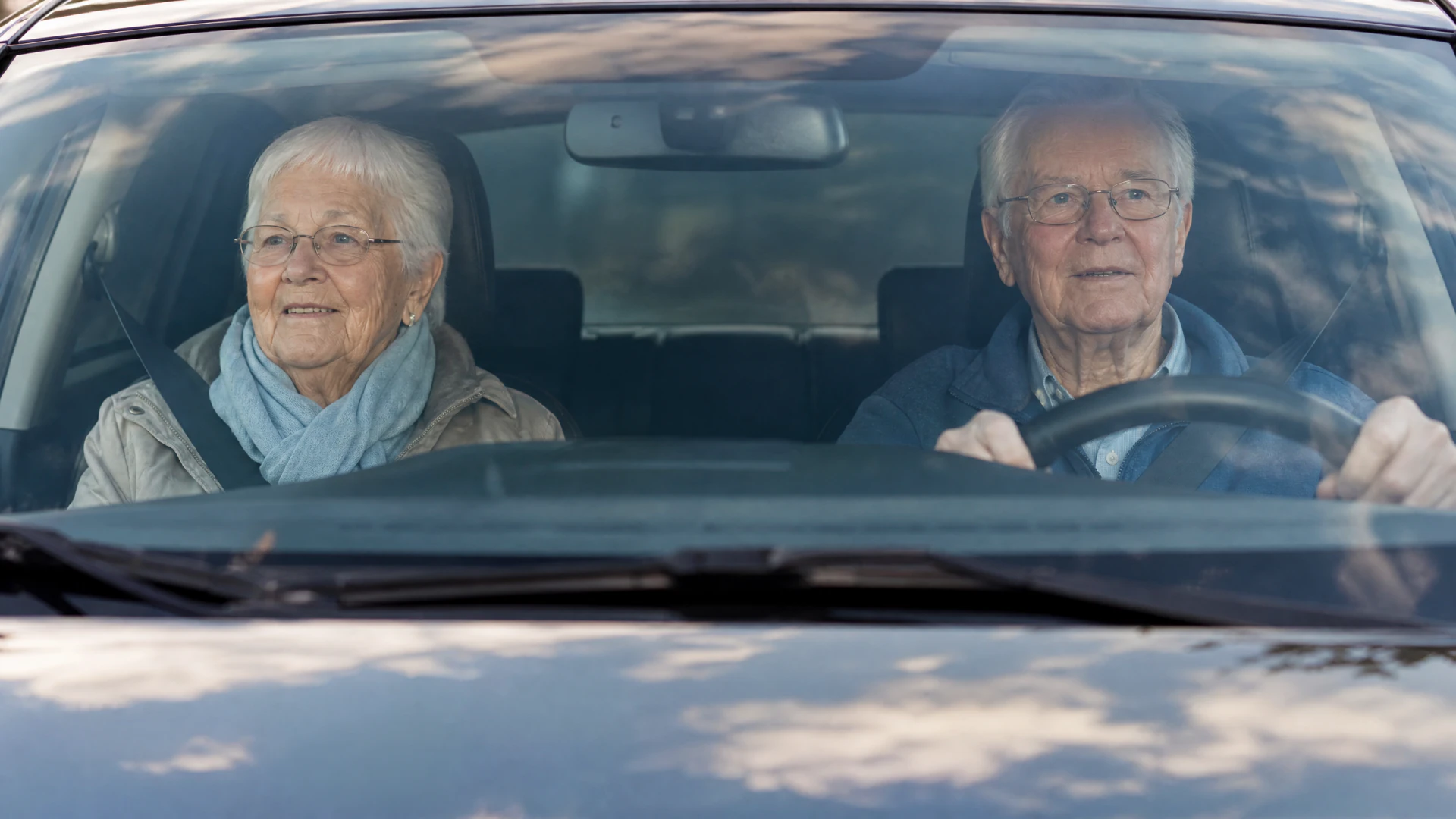
Do older drivers face more risk driving in cold weather?
Reaction time and comfort with slippery conditions can vary by individual, not strictly by age. If cold weather driving feels harder than it used to, it's worth talking with your doctor about vision and reaction time, since those matter more than age itself.
If winter weather has you thinking about your coverage, it's worth seeing what else is out there.
Before the next cold snap, check your tire pressure and have your battery tested, since both weaken in cold weather and often fail without warning. Look up whether your state's transportation department publishes a winter road conditions map, and bookmark it. If you've had a battery or tire issue in past winters, get your car looked at now rather than waiting for the first hard freeze. Keep a blanket, charger, and flashlight in the car through the season. If you're ever unsure whether conditions are safe, the simplest check is whether other cars on the road are moving normally or sliding, since that tells you more than any forecast.