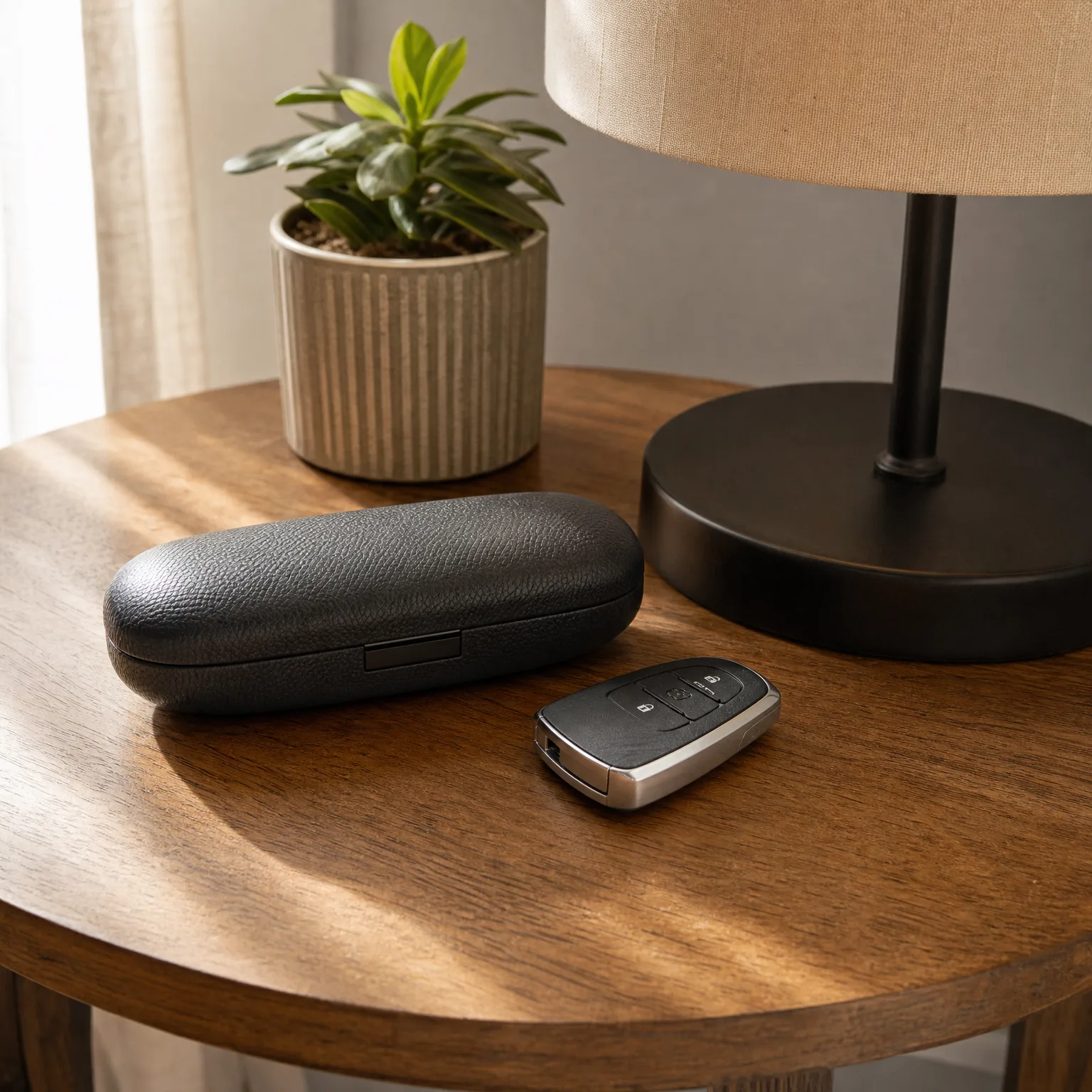
Do I Need Two Car Insurance Policies for Two Homes
It's not the second home that decides this. It's where the car actually lives.
One policy usually covers you, if the car has one home
You generally need one car insurance policy per vehicle, not per house. If you keep your car registered and garaged at your main address and just drive it to the second home now and then, your existing policy covers that.
What changes things is a car that actually lives at the second home full time, especially if someone else drives it there or if that home is in a different state. Then the insurer needs to know, because the risk they're pricing is tied to where the car sits most nights and who's behind the wheel.
Where the car is garaged most of the year
Insurers price a policy around the address where the car is kept overnight, because that address affects theft risk, weather exposure, and local claim patterns. If your car splits its time evenly between two homes, tell your insurer that. Some will ask for the address where it stays more often and base your rate on that one.
If the two homes are in the same state, this is usually a conversation with your current insurer rather than a reason to open a second policy. They can note the second address or adjust your garaging location.
If the second home is in a different state, it gets more specific. Some states require a car registered and regularly kept there to be insured under a policy that meets that state's own minimum coverage rules. That's a question for your insurer or your state's DMV, not something you can assume either way.
A renewal notice or a move is a good moment to just tell your insurer both addresses and let them sort out which one applies.
Who else drives the car when you're not there
A second policy becomes more likely when another household member, an adult child, a renter, or anyone else living at the second home regularly drives that car. Most policies are written around the people in one household, and someone outside that household driving the car often isn't covered the way you'd expect.
If a family member stays at the second home for long stretches and drives the car while they're there, ask your insurer directly whether that arrangement is covered under your current policy or whether they need to be added as a listed driver.
If you keep a separate car at the second home specifically for someone else to use, that's a second vehicle, and it needs its own coverage regardless of how many homes you own. That's not really about the two-homes question at all. It's just a second car needing a policy, the same as any other.
The honest move here is to describe the actual arrangement to your insurer, who drives what and where, rather than guessing which rule applies.
Questions people ask about this
Can I use one car insurance policy for two different states?
Sometimes, but it depends on where the car is actually garaged and what each state requires. If the car stays mostly in one state, that state's insurer and rules usually apply. Ask your insurer whether your policy stays valid if the car spends extended time in the second state.
Do I need to change my car insurance when I buy a second home?
Not just because you bought the home. What matters is whether the car's garaging location changes or whether new people will be driving it there. Tell your insurer the new address so they can decide if anything about your policy needs to change.
What happens if my insurer doesn't know I keep my car at a second home?
Your insurer prices your policy partly based on where the car is kept, so leaving out a second home could mean your coverage doesn't match your actual situation. If you ever file a claim, they may ask questions about where the car was kept and when.
Is it cheaper to insure a car at my second home's address instead?
It depends entirely on the two locations and how each one affects risk in the insurer's eyes. There's no general rule that one address is cheaper than another. Ask your insurer what your rate would look like under each address before you decide.
Do I need separate insurance for a car I only drive at my vacation home?
Usually not, if it's the same car and you're the one driving it. A standard policy typically follows the car and the policyholder regardless of which of your homes you're staying at. Check with your insurer if the vacation home is in another state or if someone else drives it while you're away.
See how different insurers handle a car split between two homes before you decide anything.
Call your current insurer this week and describe your actual situation: both addresses, how much time the car spends at each, and who else drives it. Ask them directly whether your policy covers the second location as is, or whether they need to adjust the garaging address. If the second home is in another state, ask specifically whether that state's rules require anything different. Have your registration and current policy details on hand for that call. If a family member regularly drives the car at the second home, ask whether they need to be added as a listed driver. Once you know what your current insurer requires, it's worth comparing a few other quotes to see whether another insurer handles a two-home situation on better terms.