
Can I Suspend Car Insurance for a Month
Most insurers won't let you pause coverage for just a month while the car is still registered and sitting in your driveway.
Usually not, if the car stays registered
Most states require continuous insurance on any vehicle that stays registered to you, so a one month gap isn't something your insurer can just set up on request. Some states check for lapses electronically and will flag your registration the moment coverage stops, even briefly.
The exception is when the car is truly off the road. If you plan to not drive it at all, you can look into surrendering the plates or switching to a storage-only policy instead of canceling outright. That keeps you compliant without paying for full coverage.
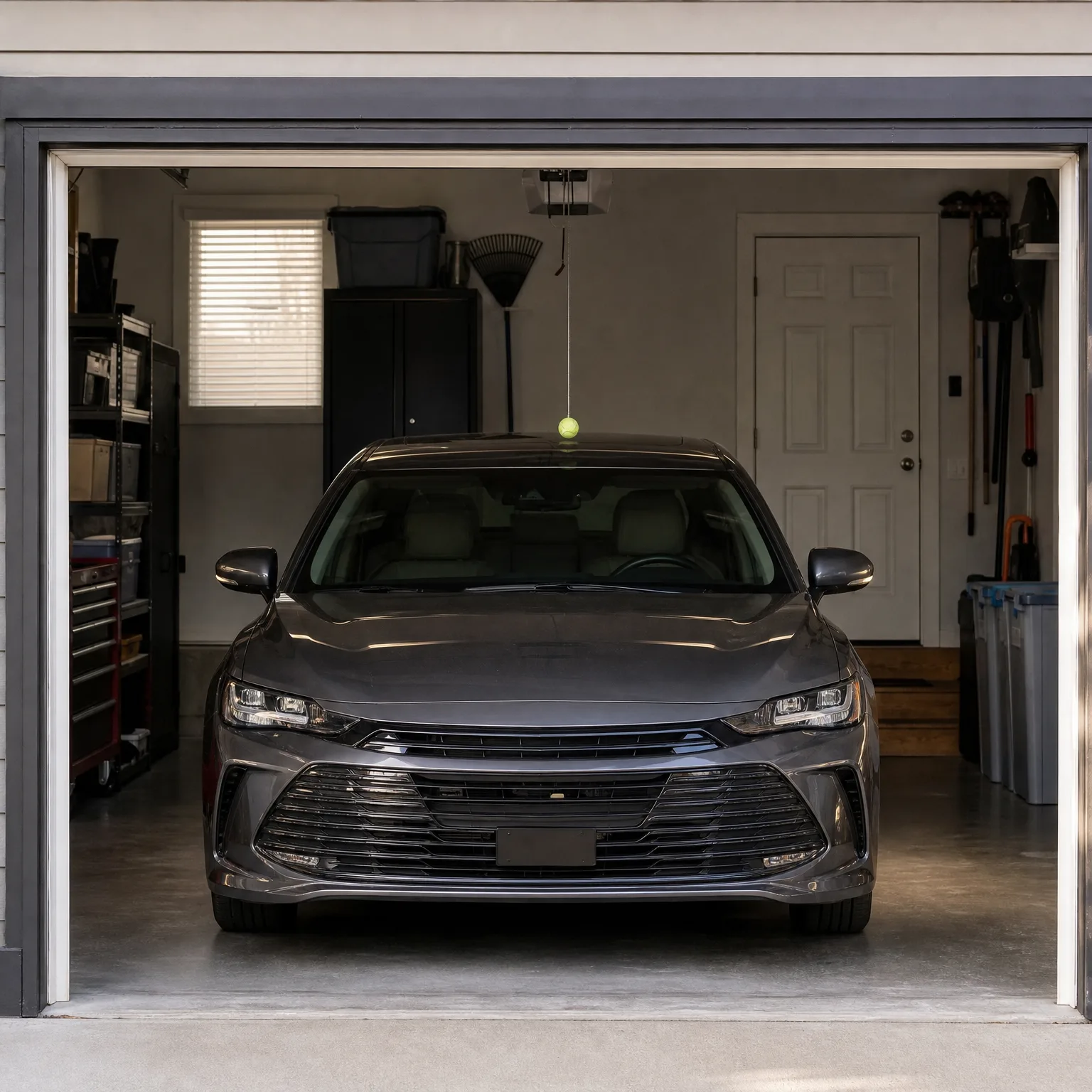
Whether the car is parked or still driven
If the car will be driven at all during that month, even occasionally, you need liability coverage the whole time. There's no way around this one. A single trip to the store with no insurance is a risk you'd be taking personally, not just a paperwork issue.
If the car truly won't move, ask your insurer about a comprehensive-only or storage policy. This keeps protection against fire, theft, and weather damage while dropping the liability and collision pieces, which usually cost the most.
Some states also require you to turn in your plates before you drop liability coverage entirely. Check with your state's DMV or motor vehicle agency before you cancel anything, because driving home from the insurance office without plates could leave you both uninsured and unregistered.
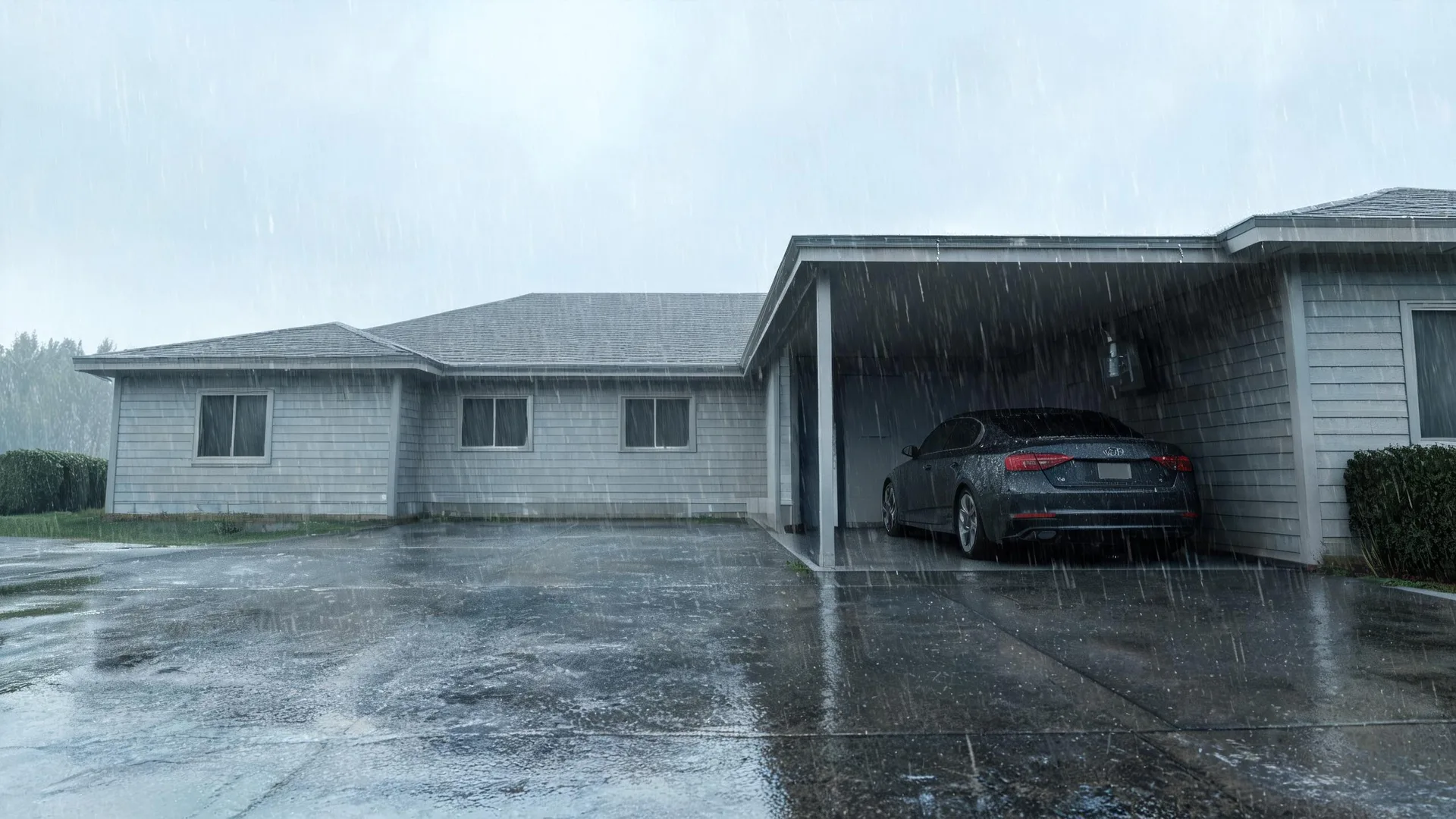
What a short lapse actually costs you later
Even where a gap is technically allowed, insurers ask about lapses when you shop for a new policy or renew. A month without coverage can follow you into a higher premium down the line, sometimes for longer than the gap itself lasted.
If your real goal is saving money for a month, it's worth calling your current insurer first and asking if they offer a reduced usage policy or a temporary adjustment instead of a full cancellation. Some will reduce liability limits or drop comprehensive coverage without creating an official lapse on your record.
If you do cancel, ask your insurer directly how they'll report it and whether it will show up as a lapse when you apply elsewhere. The answer depends on the company, not just the state.
Questions people ask about this
How do I put my car insurance on hold?
You generally ask your insurer directly, since not all companies offer a formal hold or suspension option. Some will let you reduce coverage to comprehensive-only for a parked car instead of pausing everything.
Will a lapse in insurance raise my rates?
It can, because insurers use continuous coverage as a sign of lower risk. How much it affects your rate depends on the insurer and how long the lapse lasted, so ask any company you're considering how they treat a past gap.
Can I cancel car insurance if I'm not driving for a while?
You can, but only if the car is also off the road, usually meaning it's not registered or the plates are turned in. If it stays registered, most states still require at least liability coverage.
Do I need to turn in my license plates to cancel insurance?
In many states, yes, if you want to drop liability coverage without penalty. Check with your state's motor vehicle agency, since the rule and the process both vary by state.
What is a storage policy for a car?
It's a reduced policy that covers things like theft, fire, or weather damage but not liability or collision, meant for a car that isn't being driven. Not every insurer offers this, so ask yours directly if it fits your situation.
See what other insurers would charge before you decide to drop your current coverage.
Call your current insurer this week and ask two things: whether they offer a reduced coverage or storage option, and how a cancellation would show up if you apply for a new policy later. If the car won't be driven at all, check with your state's DMV about surrendering the plates before you cancel anything. Keep your renewal notice and policy number handy for that call. If you're also thinking about switching companies, get a few quotes now so you can compare what a short gap or a lower coverage tier would actually cost across insurers, not just your current one.