Can I Own a Car and Not Insure It if I Do Not Drive It
In most states you can skip insurance on a car you don't drive, but only if you also take it off the road.
It depends on whether the car stays registered
If you keep the car registered and it's parked anywhere a police officer could see it, most states still require insurance on it, even if the keys never leave the drawer. The requirement is tied to registration, not to whether the car moves.
To legally drop coverage, you usually have to turn in the plates or file a form telling your state the car is off the road. Some states call this a certificate of non-operation. Once that's done, you're not required to carry liability insurance on that car until you register it again.

What your state requires to take a car off the road
Every state handles this a little differently, so the real question is what your DMV or motor vehicle agency calls the process and what it requires from you. Some require a specific form. Others just require you to surrender the plates.
Until you complete that process, the registration stays active in the state's system, and an active registration is usually what triggers the insurance requirement, regardless of whether the car runs or sits in a garage all year.
If you let insurance lapse without first taking the car off the road, many states will flag it through an electronic verification system that checks registration against insurance records. That can mean a suspended registration or a fine, even though you never drove the car.
Call your state's motor vehicle agency or check their website before you cancel anything. Ask specifically what the car needs to be in to not require insurance, and get that in writing or save the confirmation.
Where the car sits matters as much as whether it runs
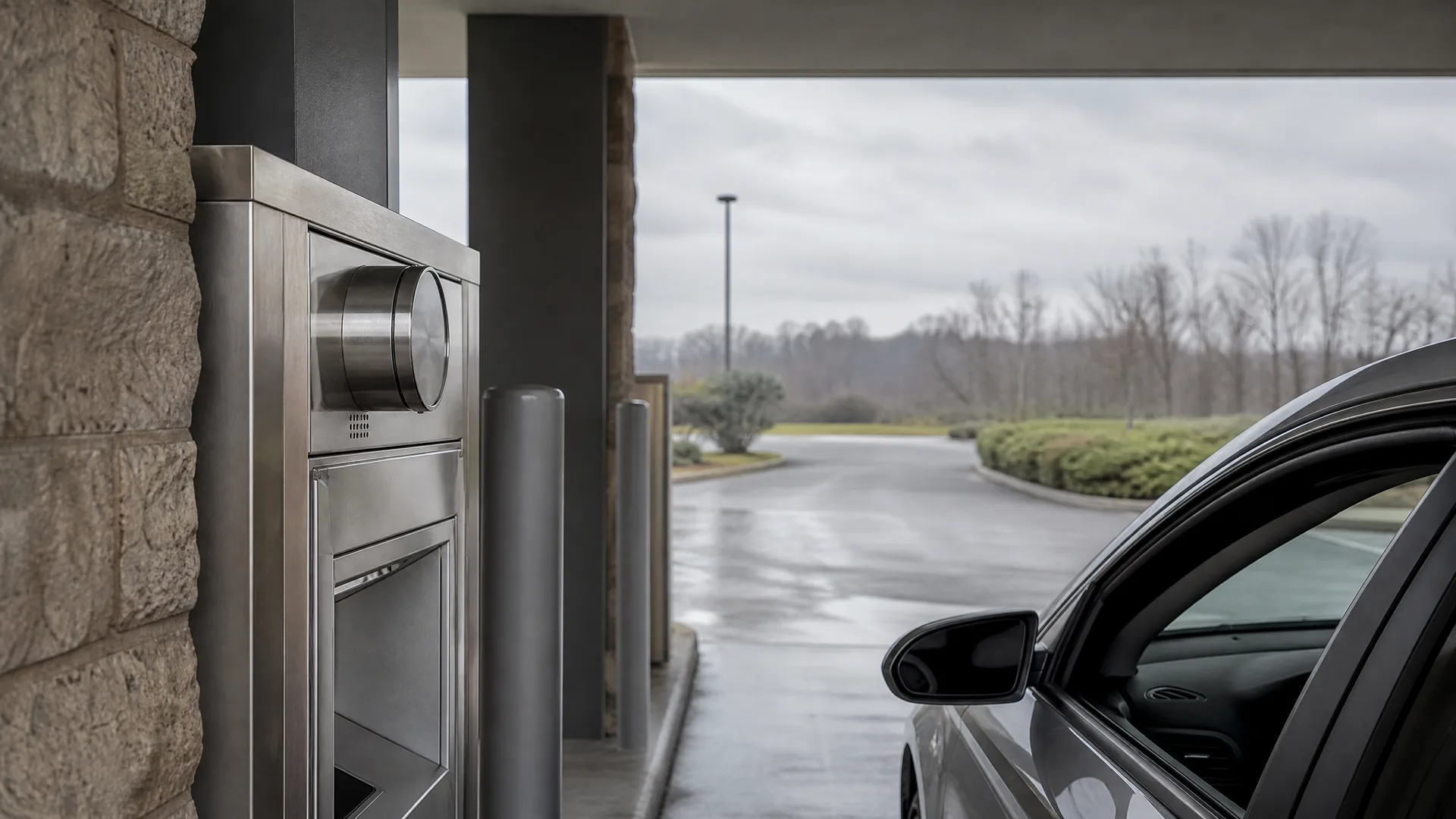
A car parked in a private garage is treated differently than one parked in a driveway or on the street in most states. If it's never on a public road, some states don't require insurance even if the registration is technically still active, though this varies enough that you should confirm it rather than assume it.
If the car sits outside where it could be seen, a neighbor's complaint or a routine check can prompt a look at the registration and insurance status. That's one reason people who store a car for the season still keep a minimal policy rather than go through the off-road paperwork.
There's also the matter of what happens if the car is stolen, damaged by weather, or hit while parked. Without insurance, there's no coverage for any of that, registered or not. Comprehensive coverage alone, without the liability portion, is sometimes available for exactly this situation, and it's worth asking your insurer whether they offer it.
Questions people ask about this
Does a car in storage still need insurance?
Only if it stays registered in most states. If you've filed the paperwork to take it off the road, you typically don't need insurance on it while it's stored, but check your state's specific rule before you stop paying.
What happens if I cancel insurance but keep the registration active?
Many states will catch this through electronic verification between the DMV and insurers and can suspend your registration or issue a fine. Cancelling insurance and cancelling registration are two separate steps, and skipping the second one is what usually causes trouble.
Can I get comprehensive-only coverage for a car I don't drive?
Some insurers offer coverage that protects against theft, fire, or weather damage without the liability portion you'd need to drive legally. Ask your insurer whether this is available in your state, since not all of them offer it.
Do I need insurance to keep a car in my driveway?
It depends on your state and whether the vehicle is still registered. A parked, unregistered car often doesn't need insurance, but one sitting in a driveway with active plates usually still does in states that tie the requirement to registration rather than use.
How do I put a car into non-operation status?
You file a form or surrender the plates through your state's motor vehicle agency, and the exact process varies by state. Contact your DMV directly to ask what they require and what it costs to reinstate registration later.
If you do need to keep the car insured, it's worth seeing what a lower-use policy would cost you.
Before you cancel anything, call your state's motor vehicle agency and ask what's required to take the car off the road without penalty. Ask specifically whether they require a form, plate surrender, or both, and get confirmation in writing if you can. If the car stays parked somewhere visible from a street, ask your insurer about comprehensive-only coverage so you're not exposed to theft or weather damage while it sits. Keep any paperwork from the DMV in case your registration gets flagged later. If you plan to drive the car again within the year, compare what it costs to keep minimal coverage against the cost of re-registering, since the paperwork and wait time aren't always worth it for a short break.