Can I Cancel My Car Insurance if My Car Is Not Drivable
You can cancel coverage on a car that doesn't run, but whether you should depends on what happens to the car next.
Yes, you can cancel it
An insurer can't force you to keep paying for coverage on a car that isn't drivable. If the car is sitting in your driveway or a shop and you're ready to drop the policy, you can call your insurer and ask them to cancel it.
The real question is what happens next. If the car still has a loan on it, is still registered, or is still titled in your name and parked somewhere it could be hit or stolen, dropping coverage entirely can create problems that have nothing to do with whether it runs.
What you plan to do with the car changes the answer
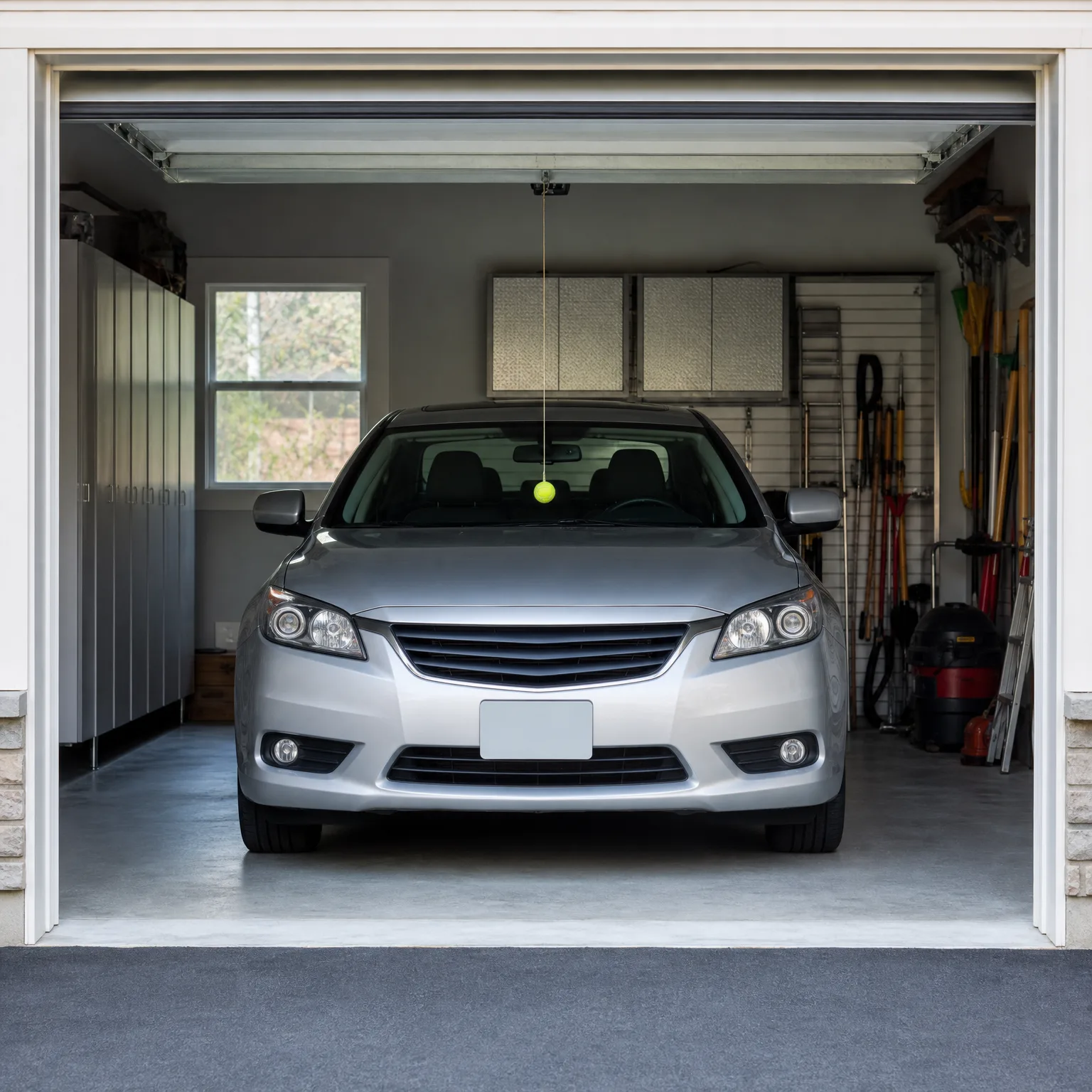
If the car is a total loss and you're signing it over to the insurer or a salvage yard, cancellation is simple. Once the car is gone, there's nothing left to insure, and you should cancel the policy the same day you give up the title.
If you're keeping the car to repair it later or sell it for parts, think about whether it's still registered. Most states require a car to carry at least liability coverage as long as it's registered and tagged, even if it hasn't moved in months. Letting the registration lapse along with the insurance is usually the cleaner path if you're not driving it.
If the car has a loan or lease on it, check with the lender before you cancel. Lenders typically require comprehensive and collision coverage on a financed car no matter its condition, and canceling without their knowledge can put you in violation of the loan agreement.
If you still want some protection while the car sits, ask your insurer about dropping to a stored car or comprehensive-only policy instead of canceling outright. It covers theft, fire, and weather damage for less than a full policy, and it keeps your coverage history intact.
What most people get wrong about canceling
Canceling a policy on an undrivable car can still create a lapse in coverage if you own other vehicles or plan to get another one soon. Insurers look at continuous coverage history when they set your rate, and a gap, even for a car that genuinely couldn't be driven, can read the same as a gap for any other reason.
Another thing people miss is that dropping liability coverage doesn't end your responsibility for the car itself. If it's parked on the street or in a spot where it could damage another car or injure someone, you're still on the hook unless the registration and insurance are both closed out properly with your state's motor vehicle agency.
Finally, ask your insurer exactly what cancellation date they'll use. Some will backdate it to when you called, others only to the day the paperwork is processed. That gap matters if something happens to the car in between.
Questions people ask about this
Do I get a refund if I cancel my car insurance early?
Often yes, for the unused portion of your premium, but it depends on your insurer and whether they charge a cancellation fee. Ask your insurer directly how they calculate the refund and whether anything gets deducted before you decide to cancel.
Can I keep just comprehensive coverage on a car that doesn't run?
Many insurers offer a comprehensive-only or stored car policy for vehicles that aren't being driven. It protects against theft, fire, and weather damage without the cost of full coverage. Ask your insurer if they offer this option and what it costs compared to canceling entirely.
Will canceling insurance on a non-drivable car affect my rates later?
It can, if it creates a lapse in your coverage history. Insurers use continuous coverage as one factor in setting rates, so a gap, even a short one, may show up when you shop for a new policy. Ask your insurer whether they report cancellations as lapses and for how long that affects pricing.
Do I need to tell the DMV if I cancel insurance on an inoperable car?
In most states, yes, especially if the car is still registered. Driving records and insurance databases are often linked, and canceling a policy on a car that's still registered can trigger a lapse notice. Check with your state's motor vehicle agency about whether you need to surrender plates or file paperwork when you drop coverage.
What happens if my car insurance lapses while the car is being repaired?
A lapse means the car has no coverage until you reinstate or replace the policy, which matters if it's still registered or could be moved. Some insurers will reinstate a lapsed policy without penalty if the gap is short, others treat it as a new policy. Ask your insurer how they handle a short lapse before assuming it won't matter.
If you'll need coverage again once the car is fixed or replaced, it's worth seeing what a new policy would cost before you let the old one go.
Call your insurer and tell them the car isn't drivable and ask what your options are besides full cancellation. If there's a loan on the car, call the lender first and ask what coverage they require while it's being repaired. If the car is registered, check with your state's motor vehicle agency about whether you need to surrender the plates or file a form when insurance ends. Have your policy number, the car's title or loan information, and your registration on hand before you make either call. If you plan to insure another car soon, ask how a cancellation now might show up when you apply for a new policy.