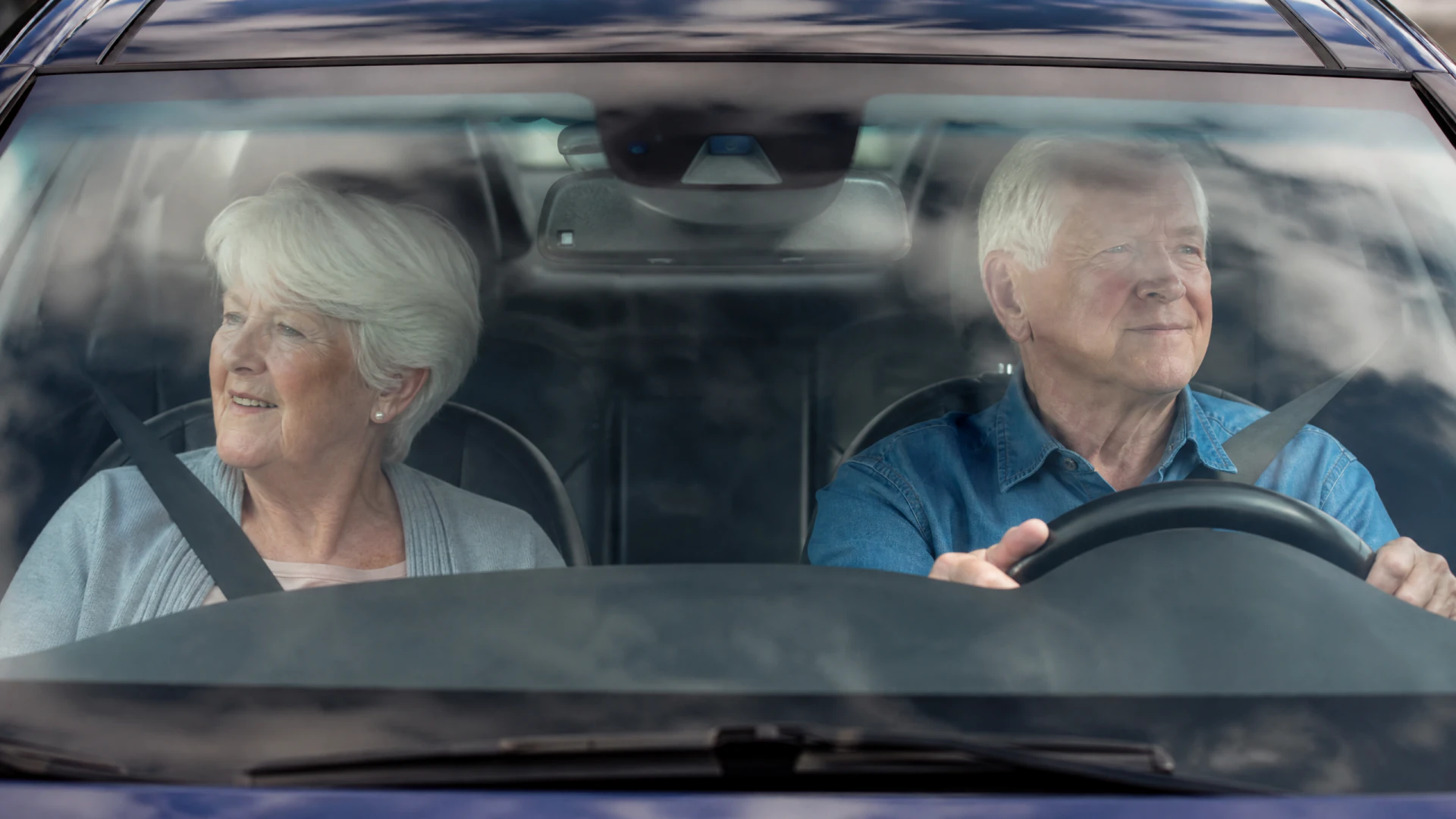
Winter Car Storage Insurance in Maryland
You can usually reduce coverage on a stored car for winter, but dropping it entirely carries risks most drivers don't expect.
You can lower it, but full cancellation is risky
Most insurers let you switch a car you're not driving to a storage or comprehensive-only policy. This keeps coverage for fire, theft, falling objects, and weather damage while dropping the liability and collision portions tied to driving. It costs less than full coverage and leaves you protected for the things that actually happen to a parked car.
Canceling the policy outright is different. If you own the car free and clear, Maryland doesn't require insurance on a vehicle that isn't registered and isn't on the road. But if you still have a registered car with no coverage at all, even briefly, you risk a lapse that insurers see when you reapply. That lapse can raise what you pay once the car is back in use.
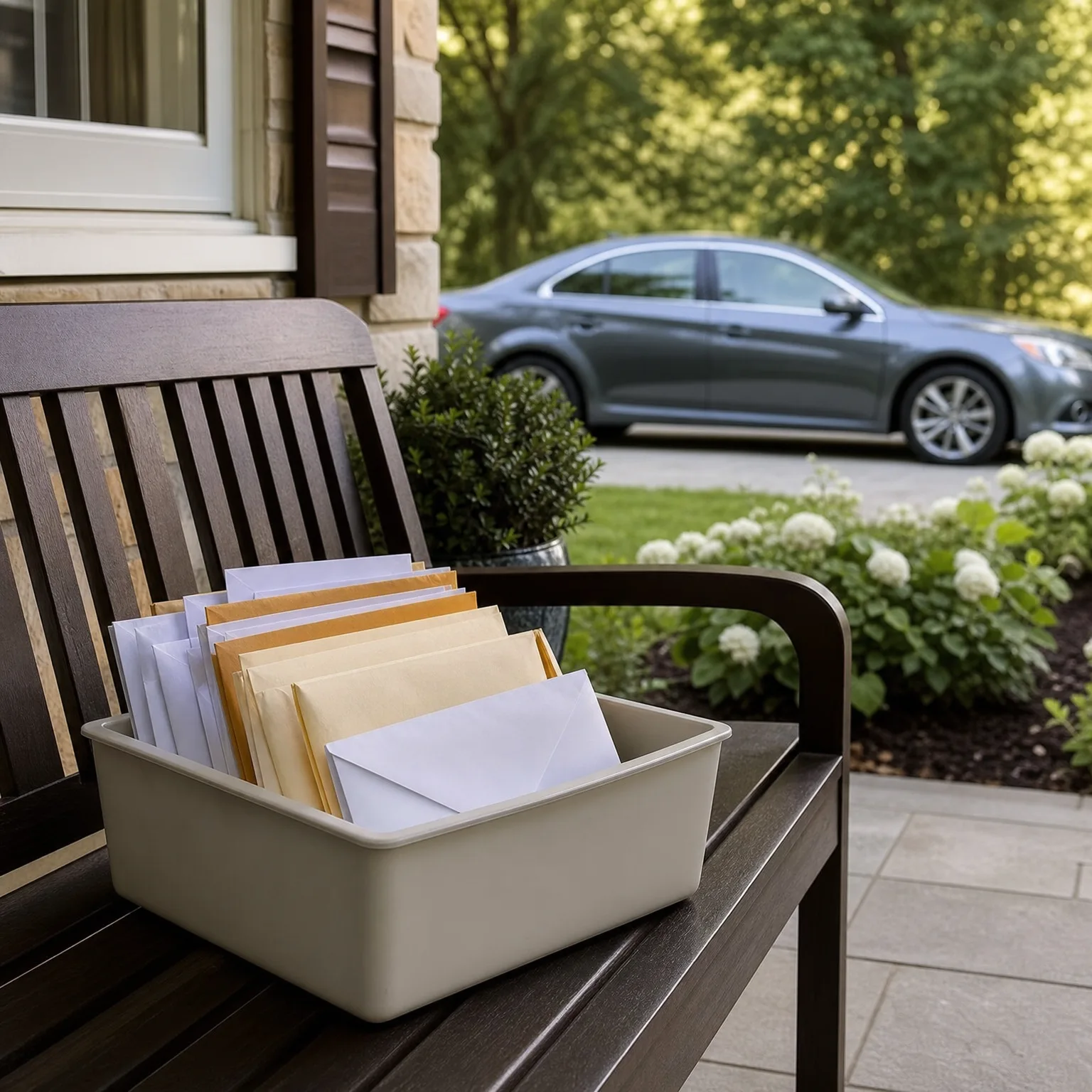
Whether you have a loan on the car
If you're still paying off the car, your lender almost certainly requires continuous comprehensive and collision coverage, even while it's parked for the season. Check your loan agreement or call the lender before you touch the policy. Dropping coverage on a financed car without telling them can violate the loan terms.
If the lender finds out you let coverage lapse, they can add their own insurance to your loan at a much higher cost than what you were paying. This is called force-placed insurance and it protects the lender, not you.
If you own the car outright, you have more room to decide. You can ask your insurer about storage coverage, or in some cases drop the policy and the registration together for the season, as long as you're comfortable taking on the small risk of an uninsured gap.
What happens to your registration and plates
In Maryland, keeping a car registered generally means it needs to stay insured too. If you want to drop coverage completely rather than switch to a storage policy, you usually need to surrender the plates or put the registration on hold with the MVA for the time the car sits unused.
This matters because Maryland checks insurance status against registration records. A car that shows as registered but uninsured can trigger a notice or a fine, even if the car never left the garage.
If you plan to drive the car again in spring, ask your insurer what it takes to reinstate full coverage, and ask the MVA what it takes to reactivate the registration. Lining up the timing for both avoids a gap where the car is legal to drive but not yet insured, or insured but not yet legal to drive.
Questions people ask about this
Does storage insurance cover theft and vandalism?
Yes, comprehensive coverage, which is what a storage policy keeps, covers theft and vandalism along with fire, falling objects, and weather damage. It does not cover collision damage, since that only applies while the car is being driven. Confirm with your insurer exactly what stays active under a storage policy before you switch.
Will my rate go up when I switch back to full coverage in spring?
It depends on your insurer and whether anything else changed, like your address or driving record, while the car was stored. Switching to storage coverage and back is routine for insurers and shouldn't by itself raise your rate. Ask when you make the switch what the reinstated premium will look like so there are no surprises.
Can I store a car in Maryland without insurance if it's not registered?
Generally yes, Maryland doesn't require insurance on a vehicle that isn't registered to be driven. You'll need to surrender the plates or place the registration on hold with the MVA to make this official. Keep documentation of when you did this in case questions come up later.
Does my homeowner's or garage insurance cover a stored car instead?
Usually not. Most homeowner's policies exclude vehicles, even ones stored on the property, because cars are meant to be covered under auto insurance. Don't assume a stored car is covered by another policy without asking that insurer directly.
What happens if something damages my car while it has no coverage at all?
You'd pay for the repair or replacement yourself, since there's no policy to file a claim against. This is the main risk of dropping coverage entirely rather than switching to a storage policy. Weigh the cost of storage coverage against what you'd lose if the car were damaged or stolen with nothing in place.
See what a storage policy would cost compared to what you're paying now.
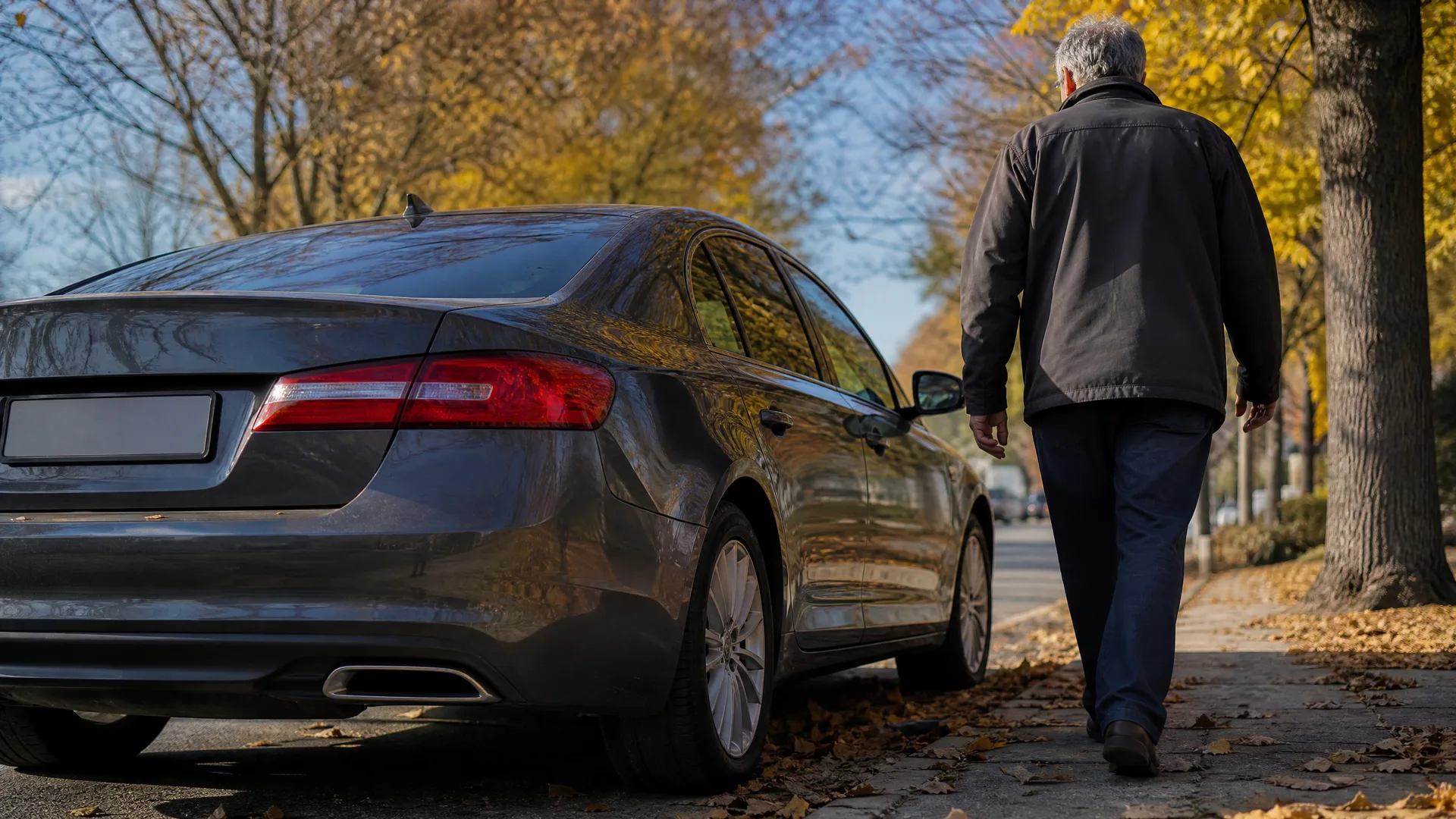
Call your current insurer this week and ask specifically about switching to comprehensive-only or storage coverage rather than canceling outright. Have your policy number and the dates you plan to store the car ready. If you have a loan, call the lender first and ask what coverage they require while the car isn't being driven. If you own the car outright and want to drop coverage completely, ask the MVA what's needed to put the registration on hold so you're not carrying an uninsured, registered vehicle. Write down the date you'll need to reinstate everything so spring doesn't catch you with a gap.