Which State Should My Car Be Insured In
Your car has to be insured in the state where it's registered, which is almost always the state where you actually live.
It's the state where your car is registered and kept
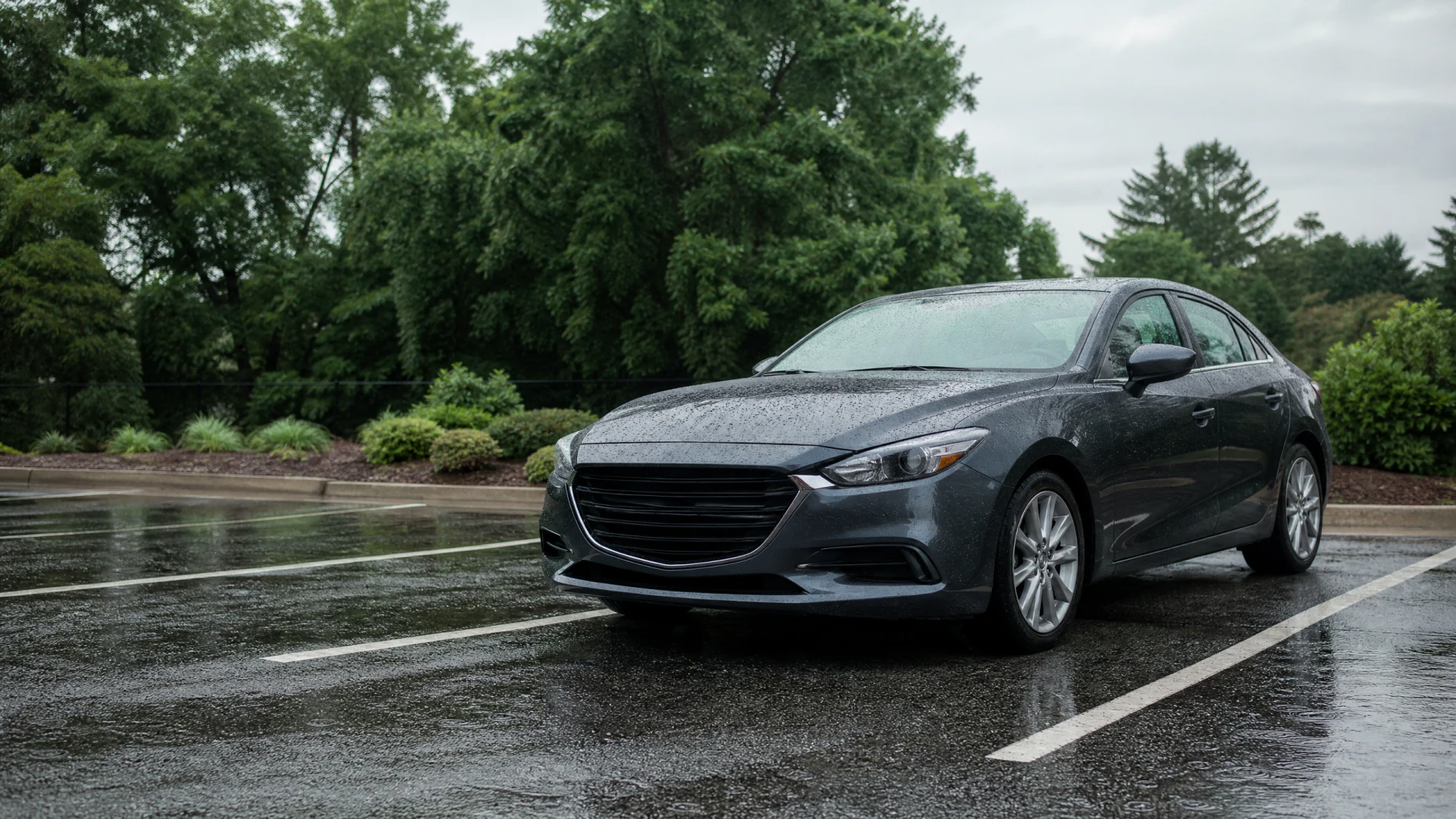
Insurers write your policy based on where your car is garaged, meaning the address where it's parked most nights. That's also the state where you're supposed to register the car and hold a license. For most drivers that's simple because they live, register, and insure in the same place.
It gets less simple if you split time between two states, recently moved, or have a car kept somewhere other than your main address. In those cases the state that counts is usually the one where you're a resident for legal purposes, not wherever you happen to be when you buy the policy.
Where you actually live decides it, not where you'd prefer to save money
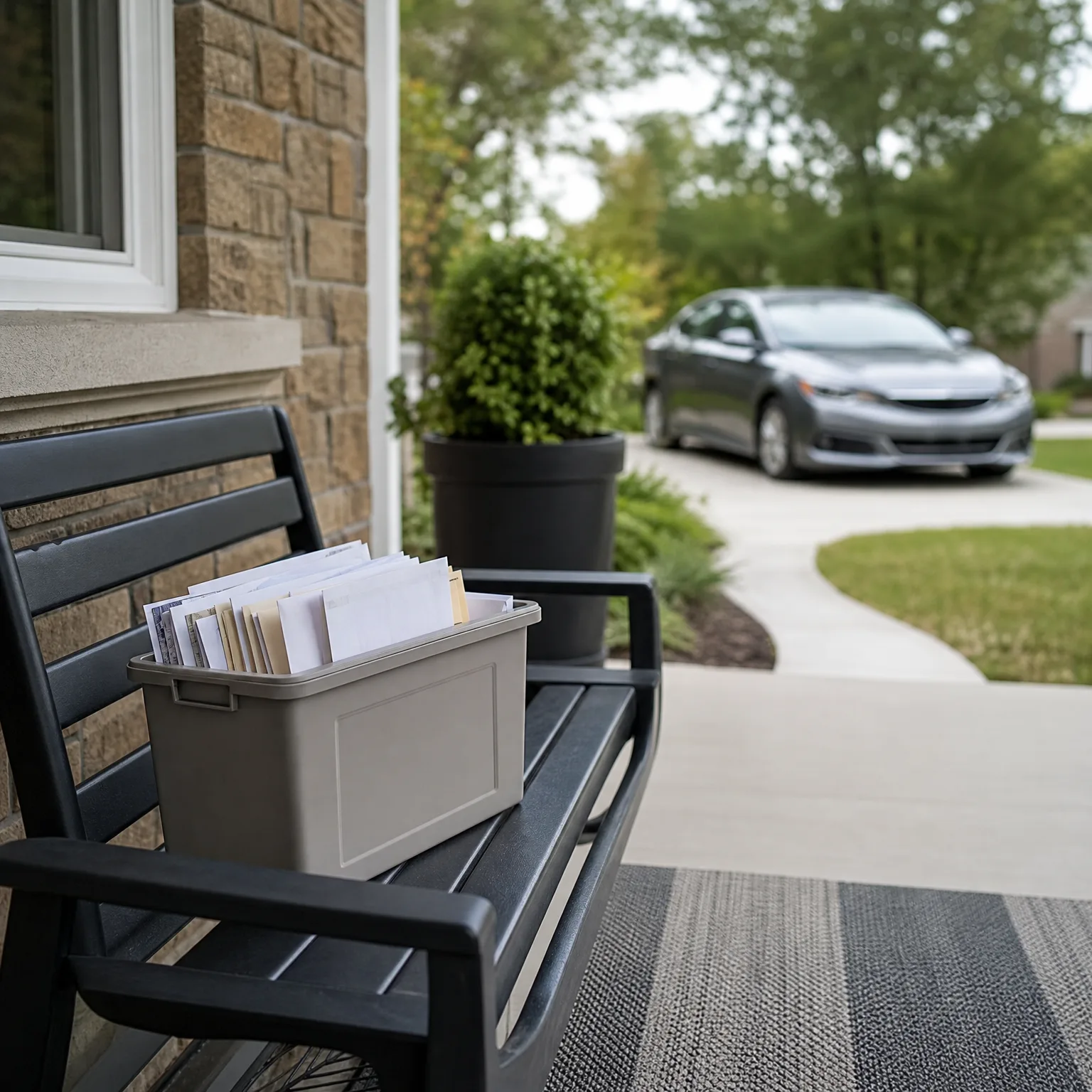
Insurance rates vary a lot by state, so it's tempting to think you could insure a car in a cheaper state and save money. Insurers don't allow this. When you apply for a policy, you have to give the address where the car is garaged, and that has to match your legal residence.
If you move and don't update your registration and insurance, you risk two problems. Your insurer can deny a claim if they find out the car was garaged somewhere other than what's on the policy. And most states require you to re-register a vehicle and get a new license within a window of moving there, so driving on an out-of-state policy too long can also put you out of compliance with the DMV.
If you're not sure which state counts as your residence right now, the test insurers and DMVs use is usually where you spend most of your time, where you're registered to vote, or where you file taxes. If those point to different states, call your insurer and ask how they want it handled before you renew.
Splitting time between two states is where people get this wrong
Retirees who spend part of the year in a second state run into this often. Snowbirds who winter somewhere warm and keep their main home up north usually still insure and register in their home state, since that's where they spend most of the year and where their official address is.
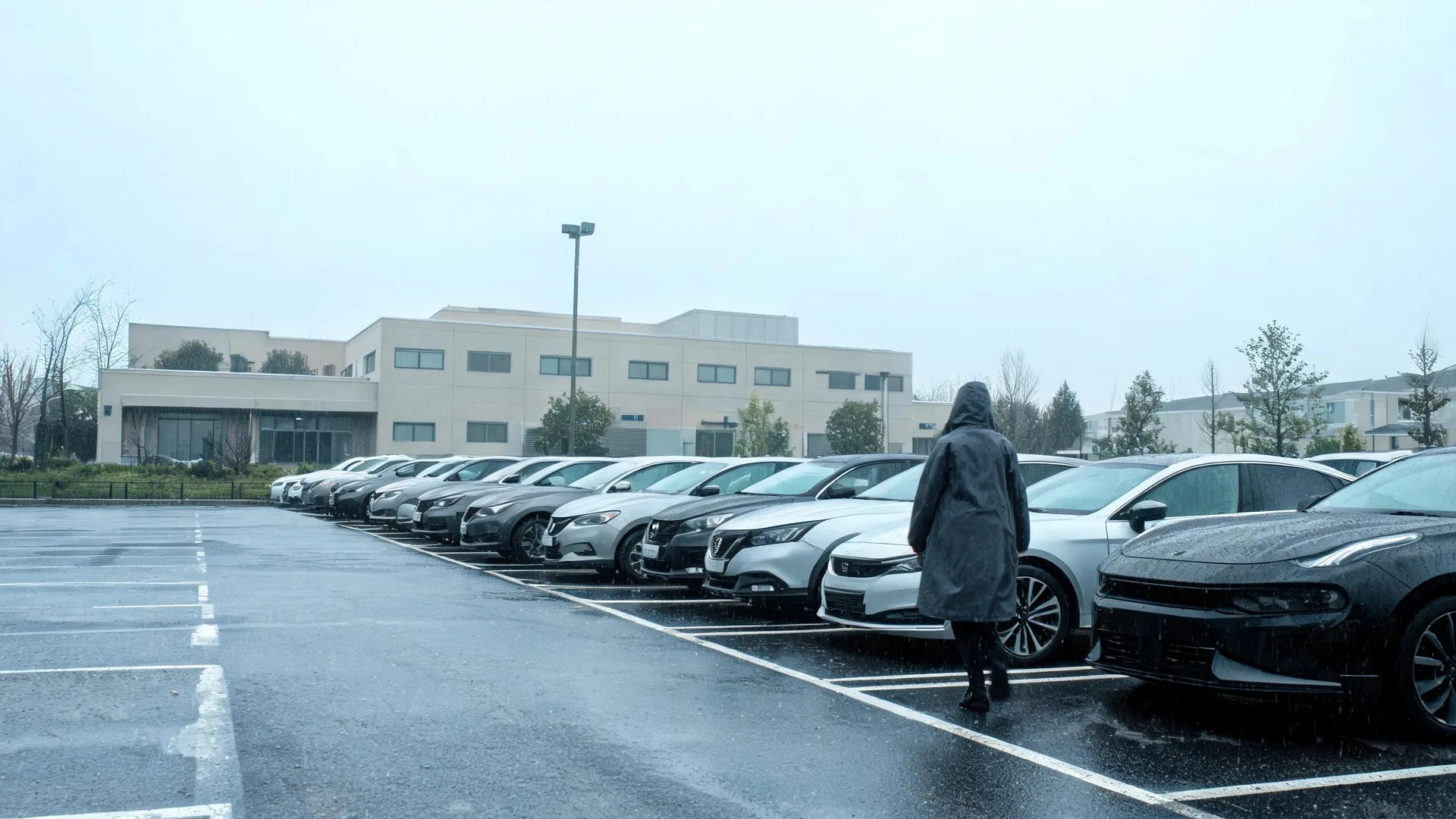
Problems come up when someone buys a second car for the state they visit, or keeps a car there for months at a time. If a vehicle is garaged in a second state for a long stretch each year, some insurers will ask you to register and insure it there instead, even if you still consider the other state your real home.
The rules on how long you can keep an out-of-state car and policy before you're required to switch are set by each state, not by your insurer. If this applies to you, ask your insurer directly how they classify a car that's only in one place part of the year, and check with that state's DMV on their residency and registration rules.
Questions people ask about this
Can I insure my car in a different state than where I live?
Generally no, not if you're trying to use a cheaper state while actually living elsewhere. Insurers require the garaging address to match where the car is actually kept and where you're a legal resident. Giving a false address to get a lower rate counts as insurance fraud and can get a claim denied.
What happens if I move and don't update my car insurance?
Your coverage can be at risk if your insurer later finds out the car was kept somewhere other than what's on your policy. Most insurers ask you to report a change of address, and most states require you to re-register your vehicle within a set window after moving. Check with your insurer and your new state's DMV as soon as you move.
Do I need to change my insurance if I move to be near my adult kids part of the year?
It depends on how long you'll be there and whether you consider it your primary residence. If you're still spending most of the year at your original home, you likely keep your insurance and registration there. If the new location becomes where you live most of the time, your insurer will usually want that reflected on your policy.
Does my car insurance follow me when I drive to another state?
Yes, your policy provides coverage when you're driving through or temporarily visiting another state. That's different from where your car is permanently garaged and registered, which is what determines which state's rules and rates apply to your policy.
How do I know which state counts as my legal residence for insurance?
Insurers generally look at where you spend most of your time, where you're registered to vote, and where you file taxes. If those don't all point to the same state, your insurer can tell you which one they'll use, so it's worth asking before you renew or switch policies.
See what a policy would look like at your actual address before you renew.

Check the address listed on your current policy and compare it to where you actually spend most of your time this year. If you've moved, split time between two homes, or added a car somewhere other than your main address, call your insurer and ask how they want your garaging address handled. Have your registration and driver's license on hand since the state on those documents usually needs to match your policy. If you're not sure whether you've crossed into needing to switch states, your state's DMV can tell you their residency and registration rules directly. Doing this now avoids a denied claim or a compliance problem down the road, not a scramble after something happens.