What Is the Cheapest Way to Get Temporary Car Insurance
The cheapest route is usually not a separate temporary policy at all, but a short change to the coverage you already have.
There is no true temporary policy, so the cheapest option is often a short-term change
Most insurers in the United States don't sell a standalone temporary car insurance policy the way you might expect. What usually works out cheapest is adding a car to an existing policy for a short period, insuring a borrowed or rented car under someone else's policy with the right permission, or buying coverage through a car rental company only for the days you need it.
Which of these is cheapest for you depends on why you need the coverage. Covering a car you'll own for a few weeks is a different problem than covering a trip in a borrowed car, and the insurers who can help with each are not the same.
Why you need temporary coverage changes which option is cheapest
If you're buying a car and need coverage before you can get a full policy in place, the cheapest route is usually to call an insurer directly and ask for a short-term endorsement or a policy with a short initial term. Some insurers will let you set an end date or cancel without a penalty once you no longer need the coverage.
If you're driving someone else's car, borrowed from a friend or family member, that car's own policy may already cover you as an occasional driver. Ask the owner to check with their insurer before you assume this is true, since some policies limit who counts as a covered driver.
If you're renting a car, the rental company's daily insurance is convenient but usually costs more per day than extending your own policy to cover a rental. Check with your own insurer first. Many personal auto policies already extend some coverage to rental cars, which can make the rental company's offer unnecessary.
If you're visiting from another country or don't hold a standard license, your options narrow. Ask an insurer directly what they need from you, since this varies by company and by state.
What drivers get wrong when shopping for short-term coverage
People often assume a short policy term costs less per day than a full annual policy, but that isn't always true. Insurers price short terms to cover their own risk of writing a policy they'll only hold briefly, so the daily rate can run higher than what you'd pay as part of a full-year policy.
Another common mistake is buying rental car coverage out of habit without checking an existing policy first. If your own auto policy already extends to rental cars, paying for the rental company's coverage is often money spent on something you already have.
People also assume that being added to someone else's policy is free or automatic. It usually isn't. The policyholder's premium can change when a new driver is added, even temporarily, so ask what the cost will be before assuming it's the cheap option.
Finally, some drivers skip calling an insurer directly because they assume short-term coverage isn't something companies offer. It's worth asking anyway. Policies and terms vary by insurer and by state, and the only way to know what's available to you is to ask.
Questions people ask about this
Can I get car insurance for just one day?
Some insurers and rental companies offer single-day coverage, but it's not universal. Ask a specific insurer whether they write short-term policies in your state, since this varies by company.
Does my credit card cover rental car insurance?
Some credit cards include rental car coverage as a cardholder benefit, but the terms differ by card and by issuer. Check with your card company directly before relying on it instead of other coverage.
Will adding a temporary driver to my policy raise my rate?
It can, since insurers price a policy based on everyone who's covered to drive the car. Ask your insurer what the change will cost before you add someone, even for a short time.
What happens if I drive a borrowed car without being added to the policy?
Whether you're covered depends on the car owner's policy and your state's rules about permissive use. Have the owner confirm with their insurer before you drive the car, not after.
Can I cancel a short-term car insurance policy early if I don't need it anymore?
Some insurers allow this and refund the unused portion, others don't. Ask about the cancellation terms before you buy the policy, not after you've paid for it.
Compare quotes from insurers who can tell you what short-term options they actually offer.
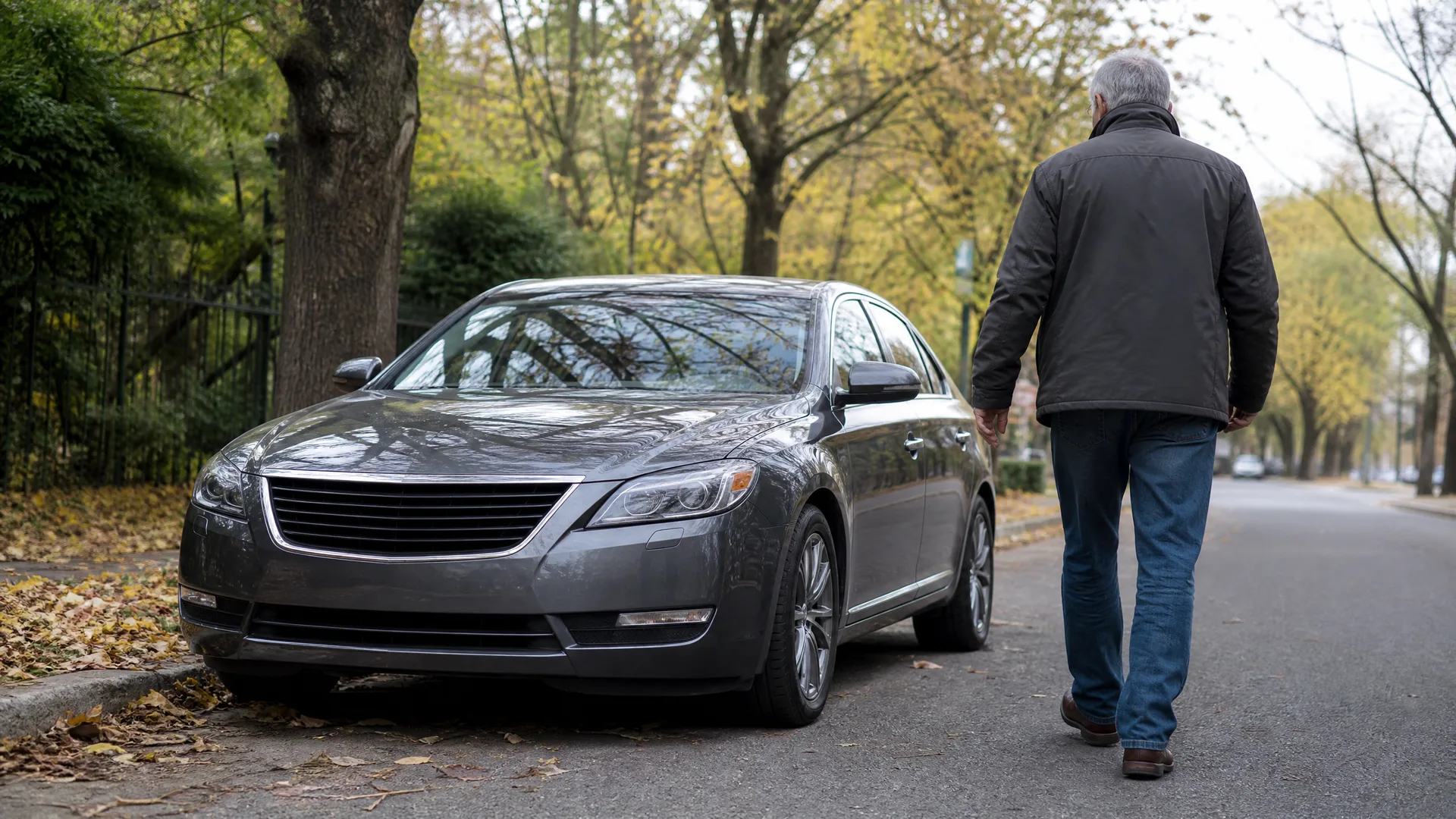
Start by figuring out exactly why you need temporary coverage and for how long, since that determines which option applies to you. If it's a car you're buying, call a few insurers and ask directly about short initial terms or no-penalty cancellation. If it's a borrowed car, have the owner call their insurer before you drive it. If it's a rental, check your own policy's rental car terms before paying for the rental company's coverage. Have your license, the car's details, and the dates you need coverage ready when you call, since insurers will ask for all three.