Snowbird Car Insurance in Sun City, AZ
Splitting the year between Arizona and another state changes what your insurer needs to know, not necessarily what you pay.
Yes, but you have to tell your insurer how you actually live
If you spend part of the year in Sun City and part somewhere else, your insurer needs to know both addresses and which one your car is garaged at most of the year. That's what they use to set your rate and your coverage, so leaving it vague or outdated can cause problems later, especially if you ever file a claim from the state you weren't supposed to be driving in.
Most snowbirds keep one car insured in their home state and either bring a second car to Arizona or garage one here year round. Either way, the address on your policy should match where the car spends most of its time. That's not just paperwork. It's also what your insurer will check first if something happens.
Where your car is garaged most of the year
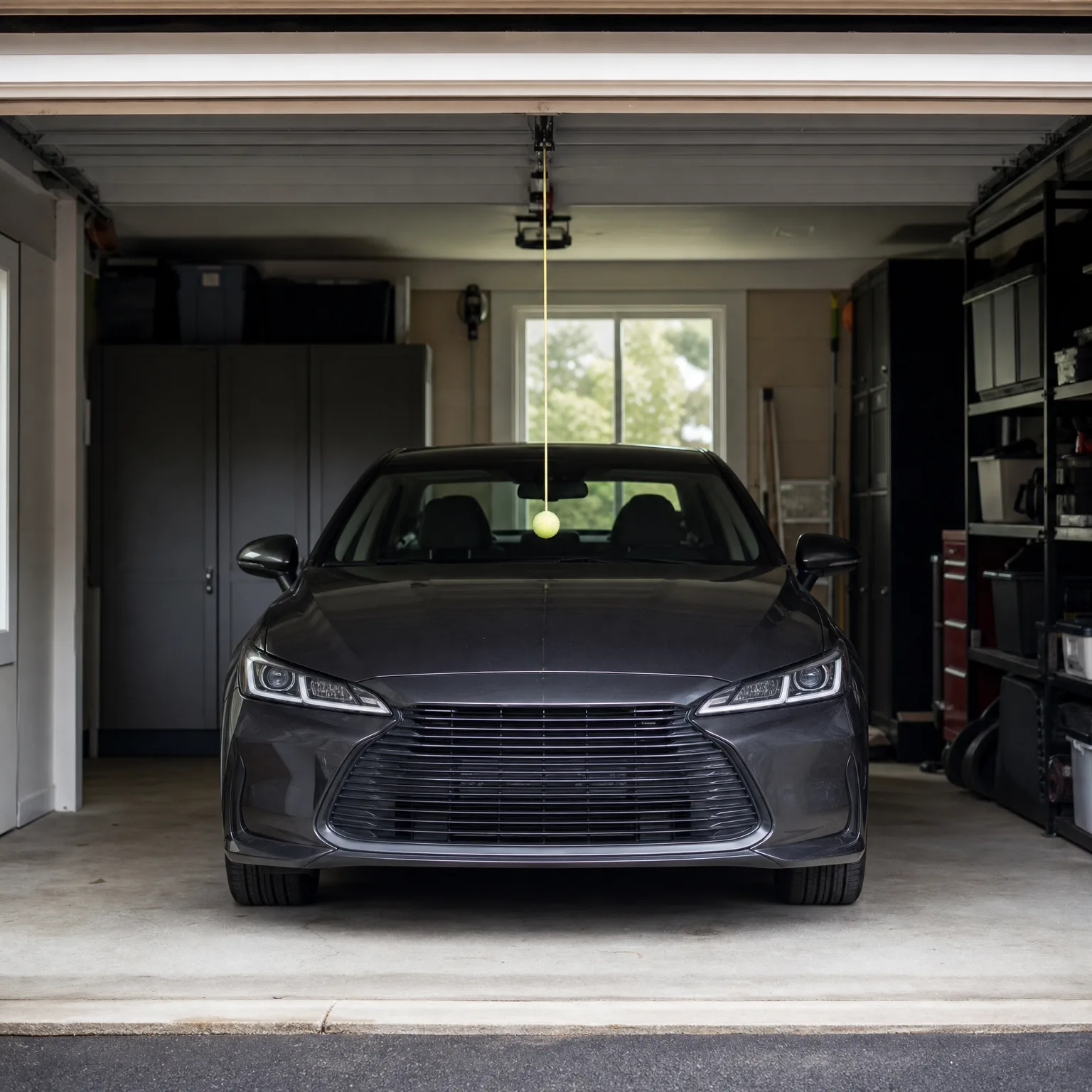
Your insurer prices your policy partly on the address where your car is kept overnight, because that address predicts the risk: weather, traffic, theft rates, even how far you drive to run errands. If your car spends several months in Sun City, your insurer needs to know that, even if you still consider another state home.
Some insurers want you to switch your policy to Arizona if you're here long enough each year. Others are fine listing Sun City as a secondary address as long as your primary state residency doesn't change. This varies by company, so ask your agent directly which approach they use and what counts as long enough to matter.
If you own a car that stays in Arizona year round while you travel, that car likely needs an Arizona policy regardless of where you're a resident. A car that goes back and forth with you is usually handled differently. Tell your insurer which situation is yours.
Don't assume your current policy automatically covers you the same way in both states. Ask specifically whether your coverage, your deductible, and your rate change based on where the car is when something happens.
Whether you're keeping both cars insured or parking one
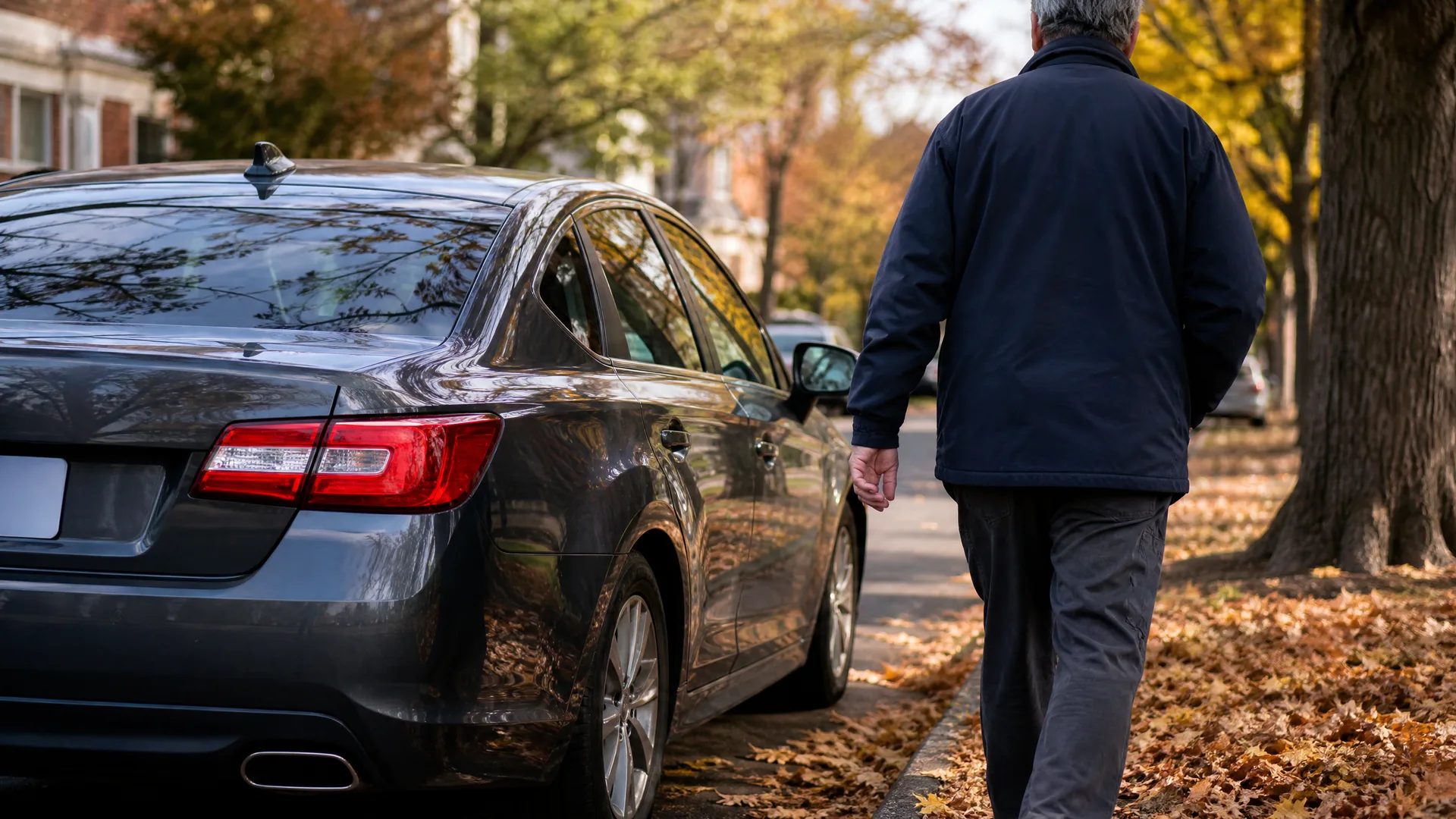
Many snowbirds leave a car at their other home while they're in Arizona, and some ask about suspending coverage on it to save money. Whether that's allowed, and what it means for your coverage if something happens to the parked car, depends entirely on your state and your insurer. Ask before you do it, not after.
If you do keep a car parked and uninsured for part of the year, check what happens if it's stolen, damaged in a storm, or damaged by someone else while sitting in a driveway. A lapse in liability coverage is usually the bigger risk, since it can also affect your rate when you reinstate the policy.
If you're insuring two cars in two states, ask your insurer whether they offer any adjustment for a car that's only driven part of the year. Some do. It depends on the company, not on a rule that applies everywhere, so this is worth asking directly rather than assuming the answer.
Questions people ask about this
Do I need an Arizona driver's license if I'm only in Sun City part of the year?
This depends on how long you stay and what your home state considers residency. Arizona and your home state both have their own rules about when a part-time stay requires a new license. Check with the Arizona MVD and your home state's DMV, since the answer isn't the same everywhere.
Can I register my car in my home state but insure it in Arizona?
Usually your car insurance follows your registration and where the car is garaged, not the other way around. If you're unsure which state your car should be registered and insured in, ask your insurer and your state's motor vehicle agency, since mismatches between the two can cause problems.
Will my insurer know I'm in Arizona for part of the year if I don't tell them?
Not automatically. Insurers rely on what you report, so if you don't update your address or mention the second home, your policy may not reflect your actual situation. That can matter at claim time, so it's worth telling them directly rather than assuming it will come up.
Does my car insurance still cover me if I drive to visit family in another state?
Short out of state trips are generally covered under most policies, since liability coverage typically extends across state lines. The snowbird situation is different because it involves living somewhere for months at a time, not just visiting. Ask your insurer where the line is for your specific policy.
Should I switch to an Arizona insurer entirely instead of keeping my home state policy?
That depends on where you spend more of the year and where your car is primarily garaged. Some snowbirds do switch once Arizona becomes their primary residence. Talk to your insurer about which state your situation points to before deciding.
See how insurers price a policy for someone splitting time between two states.
Before your next renewal, call your current insurer and tell them exactly how you split your time between Sun City and your other home. Ask whether your policy needs to list Arizona as a secondary address, and whether anything changes if you bring a second car here. If you leave a car parked for months at a time, ask what happens to your coverage during that period and whether suspending it is even an option. Have your renewal notice and both addresses in hand before you call, since that will speed up the conversation. If anything they tell you sounds uncertain, ask them to confirm it in writing so you have it for later.