Snowbird Car Insurance in Palm Coast, FL
You can usually keep your car insured in Florida while you winter elsewhere, but your insurer needs to know where the car actually spends its time.
Yes, but tell your insurer how you really use the car
Florida lets you insure a car at your Palm Coast address even if you're away for months. The policy follows the car's registration and garaging address, not how many weeks you're physically present.
What matters is accuracy. If the car sits in a garage in another state for part of the year, or if you drive it there, your insurer needs that on file. Leaving it off doesn't save you anything and it can cost you if you ever file a claim.
Where the car is actually garaged
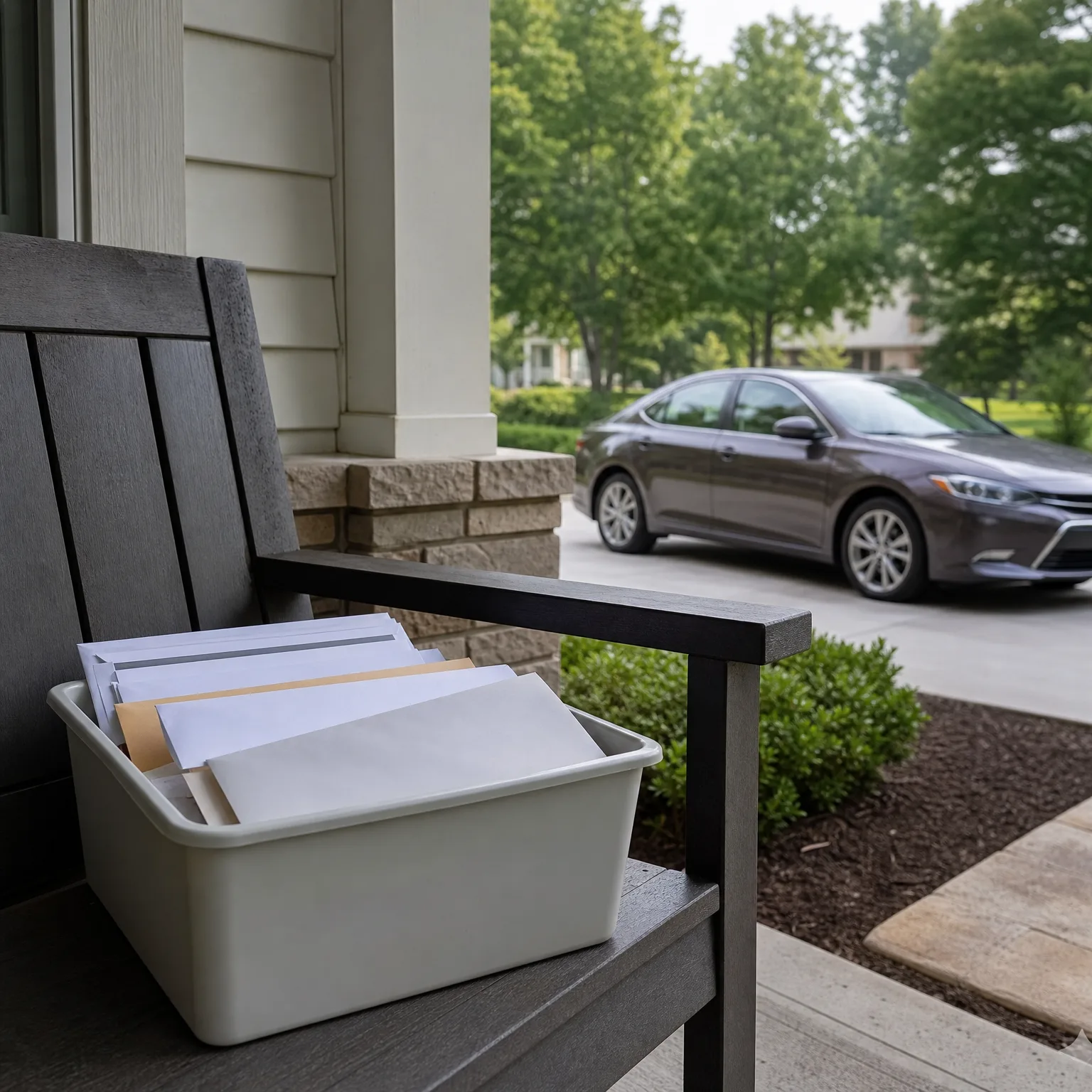
Insurers price a policy partly on where the car is parked most nights. If you're splitting time between Palm Coast and a second home, the car has two possible garaging addresses, and only one of them is on your policy.
If the car travels with you, your insurer should know it spends real time in another state. Some insurers treat this as routine information. Others may ask questions about which state's minimum coverage applies, since that can differ from Florida's.
If the car stays in Florida year-round and only you travel, this matters less. Say so plainly when you talk to your insurer, so the garaging address on file matches reality.
Either way, check with your agent before you leave. It's a short conversation and it settles the question for the whole season.
Coverage while the car sits unused
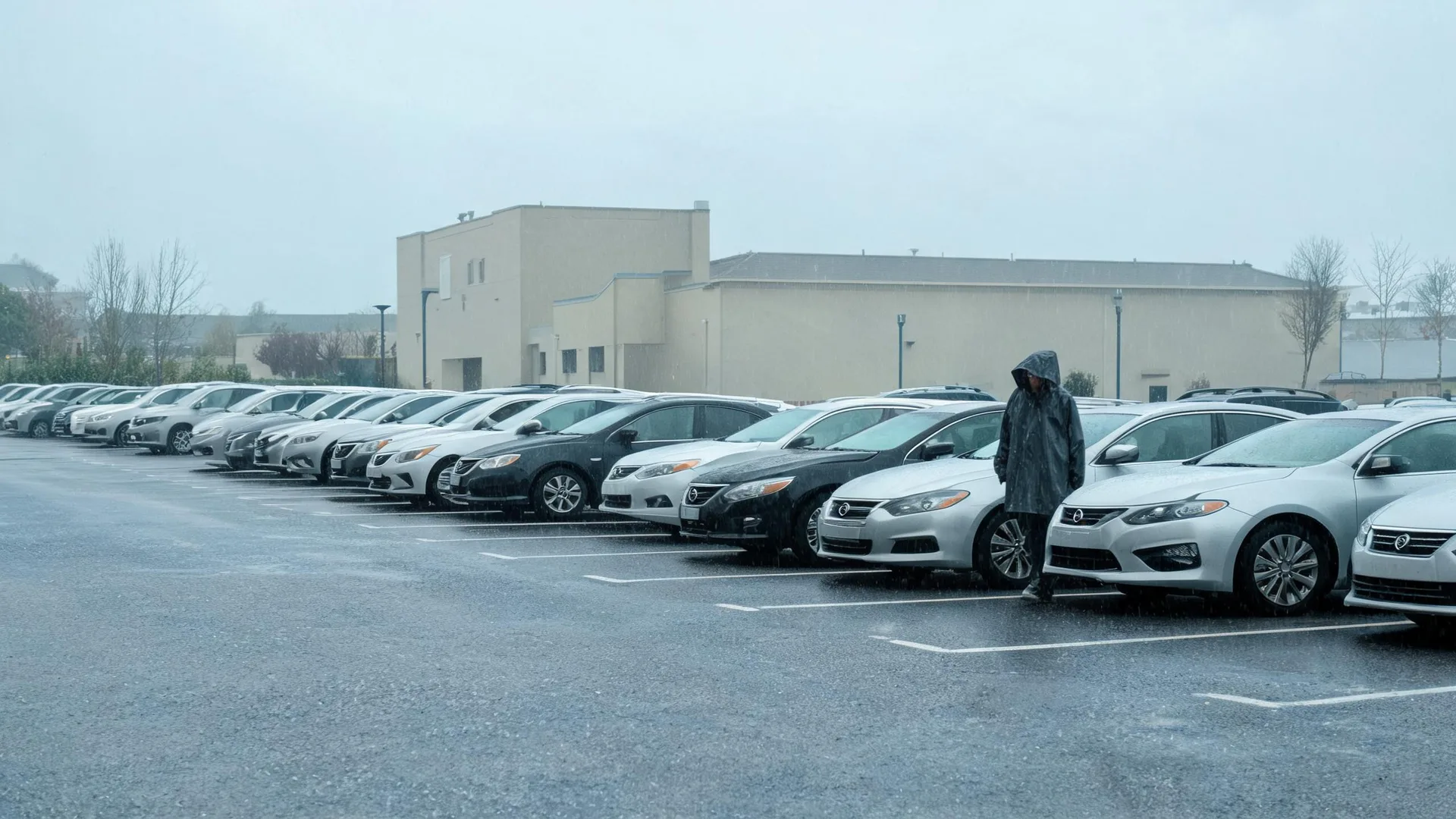
A car parked for weeks or months still needs coverage if you want to avoid a lapse. Florida requires proof of insurance to keep a car registered, and letting a policy lapse can mean fines or a suspended registration even if the car never left the driveway.
Some drivers ask about dropping collision coverage while the car sits idle and keeping only the coverage that protects against theft, fire, or storm damage. That's a conversation to have with your insurer directly, since it depends on your policy and what you're willing to risk if something happens to a parked car.
If you're gone long enough that someone else drives the car occasionally, a neighbor or family member checking on it, mention that too. Who else might legally drive the car is something your insurer should know about.
Questions people ask about this
Do I need Florida car insurance if I spend half the year in another state?
If the car is registered in Florida, it generally needs to carry Florida-compliant insurance. Where you personally spend your time doesn't change the car's registration state. Check with the Florida DMV if you're unsure whether your registration is still current.
Can I switch my car insurance to my other state temporarily?
This depends on the insurer and the state. Some companies write policies across state lines and can adjust coverage for part of the year. Ask your current insurer directly whether they offer this before assuming you need a second policy.
Will my insurance rate change if I tell them I travel seasonally?
It can, depending on the insurer and where the car spends its time. Some insurers price based on the garaging address and the months spent there. Ask your agent how they handle seasonal garaging before you decide what to report.
What happens if I don't update my insurer about my travel?
An inaccurate address on file can affect a claim if something happens to the car while it's away from where the policy says it's garaged. It's worth correcting this before you travel rather than explaining it after a claim.
Should I keep full coverage on a car that sits parked for months?
That depends on the car's value and what you're comfortable risking. Some drivers keep only the coverage that protects against theft or weather damage while the car is parked. Ask your insurer what your policy allows and what each option costs.
See what other insurers would charge to cover a car that splits its time between two states.
Before you leave for the season, call your insurer or agent and tell them exactly where the car will be and for how long. Ask whether your current policy covers it in a second state, and whether the garaging address needs to change. If someone else will drive the car while you're away, give them that name too. Keep your renewal notice and policy documents somewhere you can reach them while you're traveling, in case you need to make a change or file a claim from a distance.