
Snowbird Car Insurance in Nevada
Your car insurance follows the address on your policy, not the state you happen to be sitting in, so the choice of which home to list is what matters most.
You keep one policy, based on where your car is mainly kept
If you split your year between Nevada and another state, you don't need two policies. You need one insurer who knows about both addresses and one accurate answer to the question of where your car spends most of its time.
Insurers price and write your policy based on where the car is garaged most of the year. For a lot of snowbirds that's genuinely a close call, and it's worth answering honestly rather than picking whichever state looks cheaper. Your registration, and sometimes your driver's license, are supposed to match that same state.

Where you're registered has to match where you actually live most
Nevada, like every state, expects the car registered there to be mainly kept there. If you're gone more than half the year, that can be a problem, especially if your other state has its own residency rules that pull the other way.
This isn't just paperwork. If your insurer later finds out your car spends most of the year somewhere other than the address on file, they can treat that as misrepresentation, and it can affect a claim.
The fix is simple to state even if the decision takes some thought: figure out which state the car is actually garaged in for most of the year, and register and insure it there. If you're genuinely split close to even, call your insurer and ask how they want it handled. They do this for snowbirds regularly and would rather get it right upfront than sort it out after a claim.
Your driver's license is a separate question from registration, and some states care more than others about where you're licensed versus where you're registered. If the two don't match, ask your agent whether that matters to your insurer specifically.
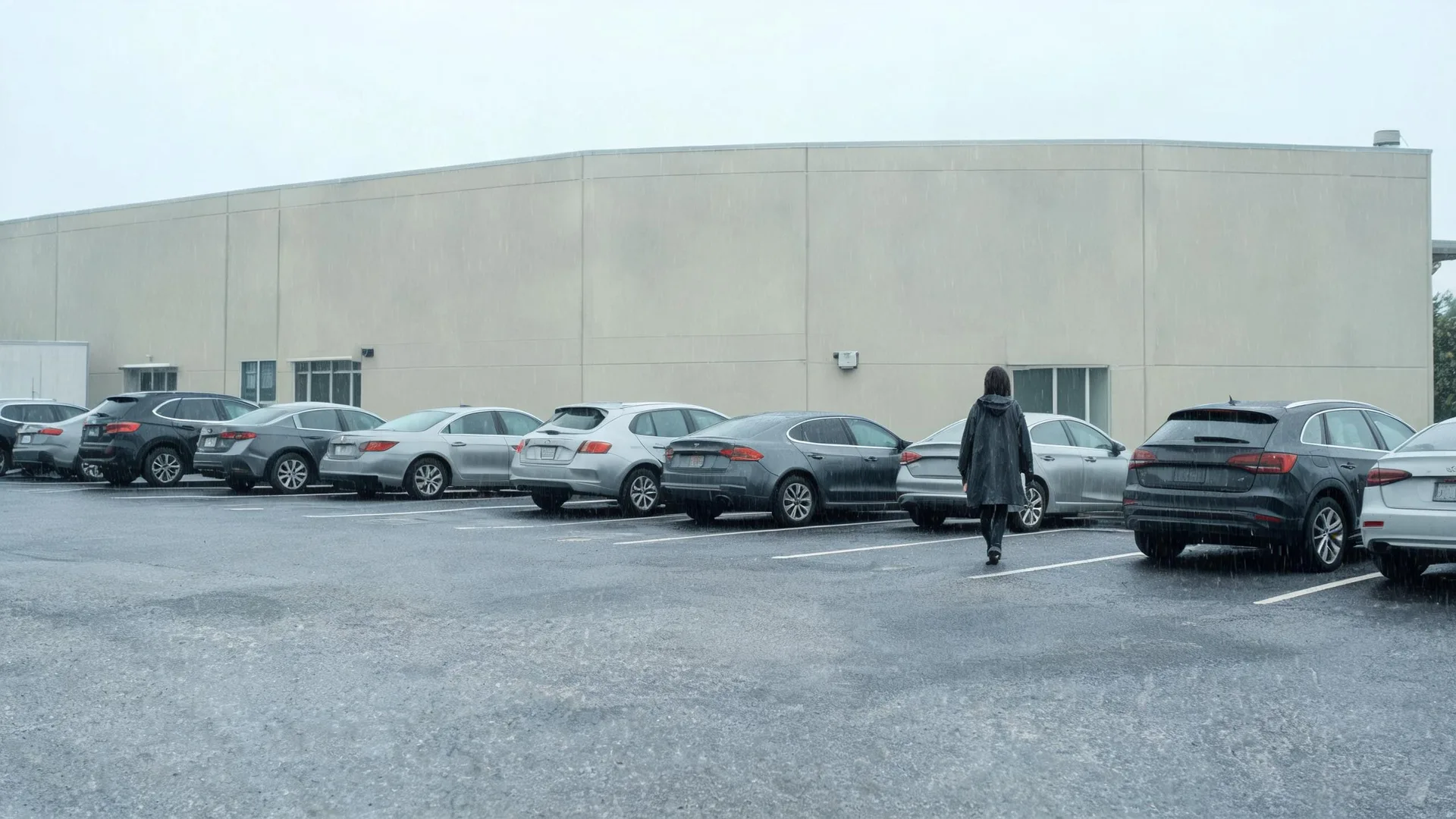
Tell your insurer about the second address, every season
The most common mistake isn't choosing the wrong home state. It's not mentioning the second one at all. If you spend part of the year in Nevada and part somewhere else, your insurer should know both addresses and when you're typically at each one.},
Questions people ask about this
Can I keep my car insurance active if it sits unused for months?
Yes, most insurers let you keep a policy active on a parked car, and some offer a reduced coverage option for storage periods. Ask your insurer specifically what they offer and whether it requires notice ahead of time.
Do I need Nevada car insurance if I'm only there part of the year?
You need insurance that matches wherever your car is mainly garaged, which may or may not be Nevada. If Nevada is genuinely your main base, insure it there. If it's really a second home for part of the year, check with your insurer about which state should be primary.
Will my insurance rate change if I switch my address between states?
It can, since rates are set by state and even by location within a state. Ask your insurer to quote both scenarios honestly rather than guessing, so you know what switching would actually cost or save.
What happens if I get in an accident in the state I'm not registered in?
Your coverage should still apply as long as your policy and registration reflect where you actually spend most of your time. The risk comes from registering in a state where the car doesn't really live, not from driving through or staying temporarily in another state.
Do I need to tell the DMV when I go back and forth each year?
Only if your actual residency changes, since the DMV cares about where you're a legal resident, not where you spend a few months. If you're unsure whether your situation counts as a change of residency, Nevada's DMV and your other state's DMV can both tell you how they define it.
See what a policy built around your actual year looks like, address by address.
Write down how many months a year the car actually sits in Nevada versus your other state, since that answer decides almost everything else. Call your current insurer and tell them both addresses and the rough split between them, and ask directly whether your policy should be based in Nevada or the other state. Check Nevada's DMV site and your other state's DMV site for how each defines residency, since the two agencies don't always agree. If you're licensed in one state but registering in another, ask your insurer whether that mismatch affects your coverage. Keep a copy of whatever your insurer tells you about your split address, in writing, in case a claim ever comes down to it.