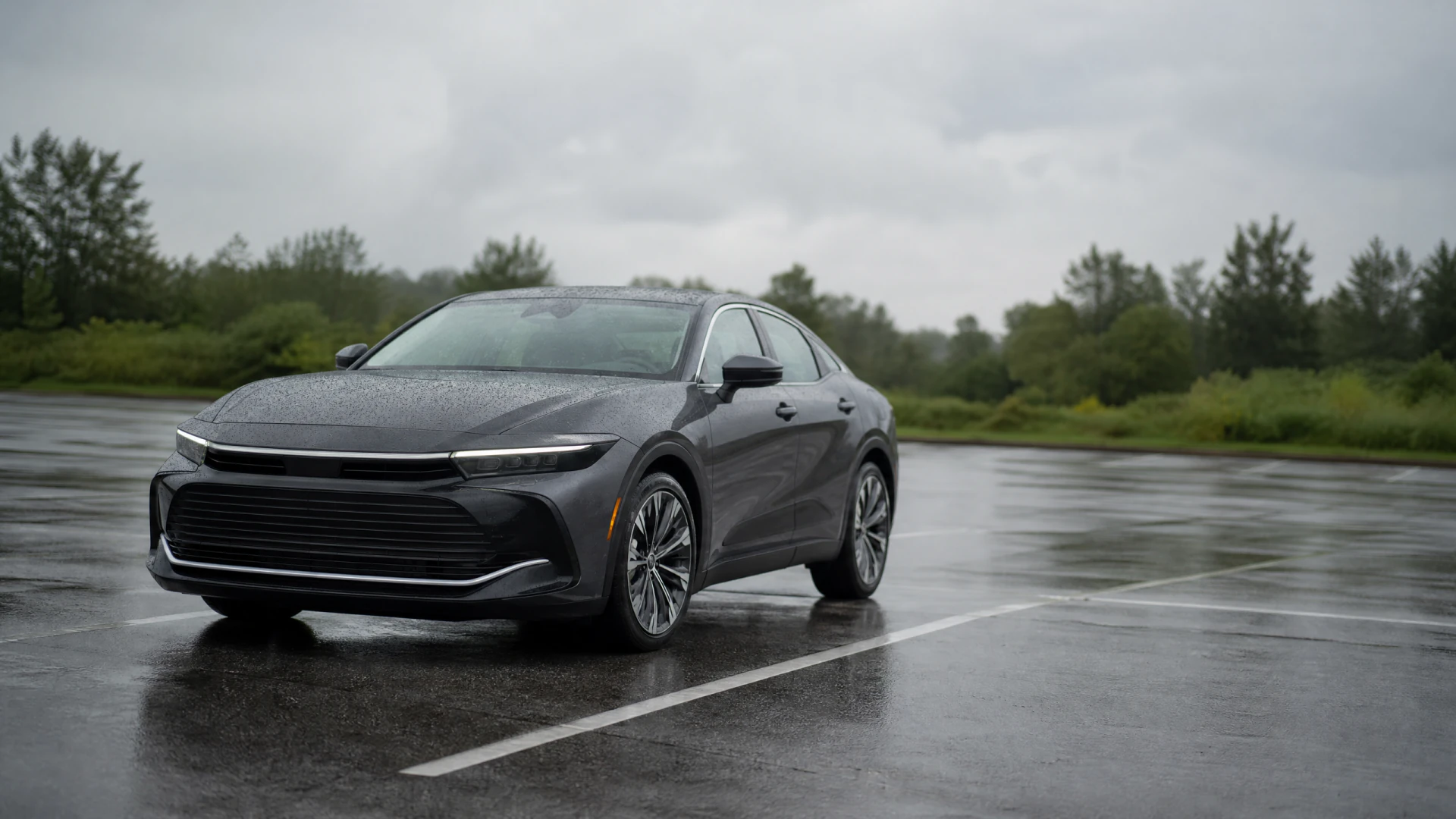
Snowbird Car Insurance in Myrtle Beach, SC
You can insure a car you only keep in Myrtle Beach part of the year, but your insurer needs to know both addresses and which one is primary.
Yes, but tell your insurer how the car is actually used
A car that spends part of the year in Myrtle Beach and part somewhere else can be insured, but the policy has to reflect that. Insurers price a policy based on where the car is mostly kept and driven, called the garaging address. If you don't update that, you could end up with a policy that doesn't match your actual situation.
What this depends on is which state you call home for insurance purposes. If South Carolina is your legal residence, your policy is likely written there even while the car sits in your northern driveway for months. If your legal residence is elsewhere, your home state insurer needs to know the car spends part of the year in South Carolina. Either way, the fix is the same: call your insurer and tell them exactly how the car is used.

Your legal residence decides which state's rules apply
Insurance follows your legal residence, not wherever your car happens to be parked. If you're a South Carolina resident who heads north for part of the year, your policy stays South Carolina based, and the coverage, minimums, and rules there apply to you year-round.
If your legal residence is another state and Myrtle Beach is just where you spend part of the year, your policy is likely written in your home state even though the car sits in South Carolina for months at a time. Your insurer still needs to know that, because garaging address affects how the car is rated.
Some snowbirds keep two cars, one in each location, and insure each one separately through policies in the state where it's kept. If that's your setup, ask whether your insurer treats the two as separate risks or wants them on one policy with two garaging addresses listed.
If you're not sure which state counts as your legal residence for insurance purposes, that's usually tied to where you're registered to vote, where you hold a driver's license, and where you file taxes. Your insurer can tell you how they're treating your situation once you explain the back and forth.

Leaving the car parked for months changes what coverage makes sense
A car sitting unused for part of the year still needs insurance if it's going to be driven again, but you may not need the same coverage you'd carry if it were in daily use. Comprehensive coverage, which covers theft, weather, and damage while parked, matters most during the months the car sits idle. Liability and collision protect you only when the car is being driven.
Some insurers allow a reduced coverage option for a vehicle that's parked and not being driven, sometimes called storage coverage. This isn't available everywhere and the rules vary by insurer, so ask directly whether it applies to your policy and your car.
If you let the policy lapse entirely while you're away rather than reducing coverage, you risk a gap that shows up when you try to reinsure the car later, and some insurers charge more for drivers with a lapse in coverage. It's usually better to keep some form of coverage active the whole time, even if it's reduced.
Tell your insurer the actual months the car is driven versus parked. That's the information they need to price the policy correctly and to tell you what coverage options exist for the parked months.
Questions people ask about this
Do I need South Carolina car insurance if I only live there part of the year?
Not necessarily. What matters is your legal residence, not how many months you spend in South Carolina. If your legal residence is another state, your car can likely stay insured through a policy there even while it's in Myrtle Beach for part of the year. Ask your insurer how they classify your situation since the rules depend on your specific residency facts.
Can I register my car in South Carolina but insure it somewhere else?
This depends on the rules in both states, since many states require insurance to match where a car is registered. If your car is registered in South Carolina, check with South Carolina's DMV and your insurer about whether the policy needs to be written there too. Don't assume you can mix registration and insurance across states without checking first.
What happens to my insurance if I move between two states every year?
Your insurer needs to know about the pattern so they can rate the policy correctly, since moving the car between states can affect your premium and your coverage options. Some insurers handle seasonal residents routinely, others may not. Ask your current insurer how they handle part-year garaging before you assume your existing policy covers the arrangement.
Does my car insurance still work if something happens while I'm away from Myrtle Beach?
A policy written for a car garaged in South Carolina generally still covers you if you're temporarily out of state, since car insurance follows the vehicle and policy terms, not a specific location. But if you're splitting time between two states regularly, tell your insurer so the policy reflects where the car is actually kept most of the year.
Should I keep full coverage on my car during the months it's not in Myrtle Beach?
That depends on whether the car is being driven elsewhere or sitting parked. If it's parked and unused, ask your insurer whether a reduced or storage coverage option exists for those months. If the car is being driven in your other location, you likely still need the same coverage you'd carry anywhere else.
See what a policy that matches your actual living situation would cost.
Call your current insurer before you make any changes and tell them plainly how you use the car, including both addresses, how many months it spends in each place, and whether it sits parked or gets driven while you're away. Ask them directly whether your legal residence determines where the policy is written, and whether a reduced coverage option exists for the months the car isn't in use. If you keep a second car in your other location, ask how they want that handled too. Have your registration, your current policy, and your residency details on hand when you call so they can give you a straight answer instead of a guess.