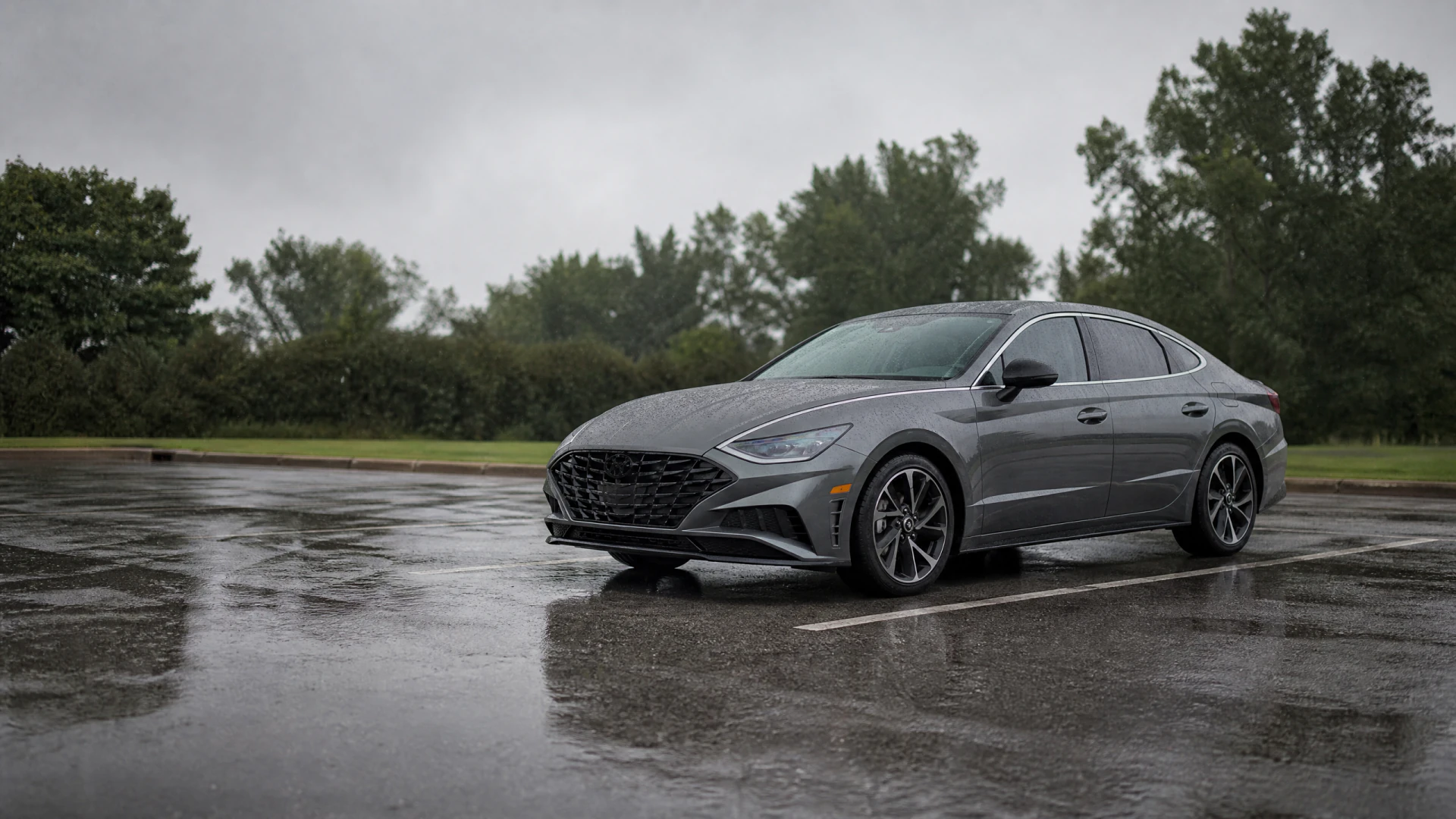
Snowbird Car Insurance in Melbourne, FL
Insuring a car you only drive part of the year in Melbourne works, but you have to tell your insurer how and where you're using it.
Yes, but your insurer needs to know your pattern
You can insure a car you only drive part of the year while you're in Melbourne, but the policy needs to reflect that pattern honestly. Insurers price a policy based on where the car is garaged most of the year and how it's used, so if you split time between Florida and another state, that split matters to them.
The reason this works for seasonal drivers is that insurers already have ways to handle it, through a policy written for a primary residence with a secondary address on file, or through separate coverage in each state if you keep a car in both places. What doesn't work is staying silent about it and hoping the policy covers you the same way everywhere.
Where the car spends most of its time decides your rate
Your insurer sets your premium partly on where the car is parked overnight most of the year, called the garaging address. If your car sits in Melbourne for several months and somewhere else the rest of the year, your insurer needs the real garaging address, not just your mailing address.
This matters because insurance rates vary by state and even by zip code within a state. A car garaged in Florida part of the year and up north the rest of the year may be priced differently than one that stays in one place year round. Tell your insurer the actual pattern, including roughly how many months the car is in each location.
If you own two cars, one at each home, you may need two separate policies, possibly with two different insurers, since not every company writes policies in every state. Ask your current insurer directly whether they're licensed to cover you in both states or whether you'll need a second policy where your other car is kept.
What snowbirds get wrong about leaving the car behind
A common mistake is letting coverage lapse or switching to a minimal policy for the months the car sits unused up north, or in Florida if you're away. Lowering coverage on a parked car can lower your premium, but dropping liability coverage entirely is risky if anyone else might drive it, including a house sitter or a family member checking on the property.
Another common mistake is not telling the insurer when the car changes location at all. If a claim happens while the car is in a state your insurer doesn't know about, the claim can be delayed while they sort out what policy terms apply.
If the car truly sits unused for months, ask your insurer about reducing coverage to comprehensive only for that stretch, which covers theft and damage but not liability since no one is driving. This is different from canceling the policy, and it's worth asking your insurer to spell out the difference before you decide.
Questions people ask about this
Do I need a Florida driver's license if I'm only here part of the year?
This depends on how long you stay and whether Florida considers you a resident, which is a state rule, not an insurance one. Check with the Florida Department of Highway Safety and Motor Vehicles for their residency threshold, since insurers often ask which state issued your license when they write your policy.
Can I keep my car registered in my home state while living in Florida part of the year?
Many snowbirds do keep registration in their home state, but whether that's allowed depends on your home state's rules about how long a car can be away before it needs Florida registration. Ask your home state's motor vehicle agency, since insurers generally follow whatever registration and garaging address you give them.
Will my insurer cancel my policy if I tell them I split time between two states?
No, telling your insurer the truth about your situation doesn't put your policy at risk. What can cause problems later is not telling them, since a claim investigation may turn up that the car was garaged somewhere other than what the policy listed.
Does my auto insurance still cover me if I drive through other states on the way to Florida?
Your policy generally follows the car across state lines for a trip, but coverage details can vary by insurer. Ask your insurer directly whether anything changes while you're driving through, versus once you've arrived and the car is parked for the season.
Should I get a separate insurer for my Florida car instead of adding it to my existing policy?
It depends on whether your current insurer is licensed to write policies in Florida and whether their rates there are competitive. Ask your insurer this directly, and compare what a Florida-based insurer would charge for the same car and coverage before deciding.
See what a policy built around your actual time in Melbourne would cost.
Call your current insurer and tell them exactly how many months the car is in Melbourne versus elsewhere, and ask whether your policy already reflects that or needs to change. Have your registration, your Florida address, and your other home address ready, along with the approximate dates you're in each place. Ask specifically whether you need a second policy for a second car, and whether reducing coverage during months the car sits unused is an option. If your current insurer can't write a policy that fits a seasonal pattern, get a quote from one that specializes in Florida or snowbird coverage before your next renewal date arrives.