Snowbird Car Insurance in Lake Havasu City, AZ
You can insure a car you only drive part of the year, but your insurer needs to know how you actually use it.
Yes, but tell your insurer how the car is really used
A car that sits in Lake Havasu City part of the year and travels with you the rest of it can still be insured there, but the policy has to match how you actually use it. Insurers price a policy based on where the car is garaged most of the year and how often it's driven, so a car that's parked for months needs a different conversation than one driven daily.
If Lake Havasu City is where the car spends most months, that's usually your garaging address even if you're a resident somewhere else part of the year. If you're gone for long stretches and the car sits unused, ask your insurer whether a reduced-use or storage arrangement applies. What you can't do is let the policy drift out of date with where the car actually lives. That's the part that causes problems later, not the seasonal pattern itself.

Where the car is garaged most of the year
Your rate and your coverage are built around a garaging address, and insurers expect that address to reflect where the car actually spends most of its time. If you're in Lake Havasu City for part of the year and elsewhere the rest, tell your insurer both addresses and how the time splits between them.
This matters because a policy written for the wrong address can create a real problem at claim time. If an insurer later finds the car was garaged somewhere different from what's on file, they can question the claim or the rate you've been paying. It's not about picking the cheaper location, it's about matching the paperwork to reality.
If you split time between two states, ask your insurer directly which address they want listed and whether that changes if the split shifts from year to year. Some insurers handle seasonal residents routinely. Others need more documentation. You won't know which kind you have until you ask.
If you own property in both places, keep records of how much time you actually spend in each. That's the kind of detail that settles a disagreement quickly if one ever comes up.
Whether the car travels with you or stays parked
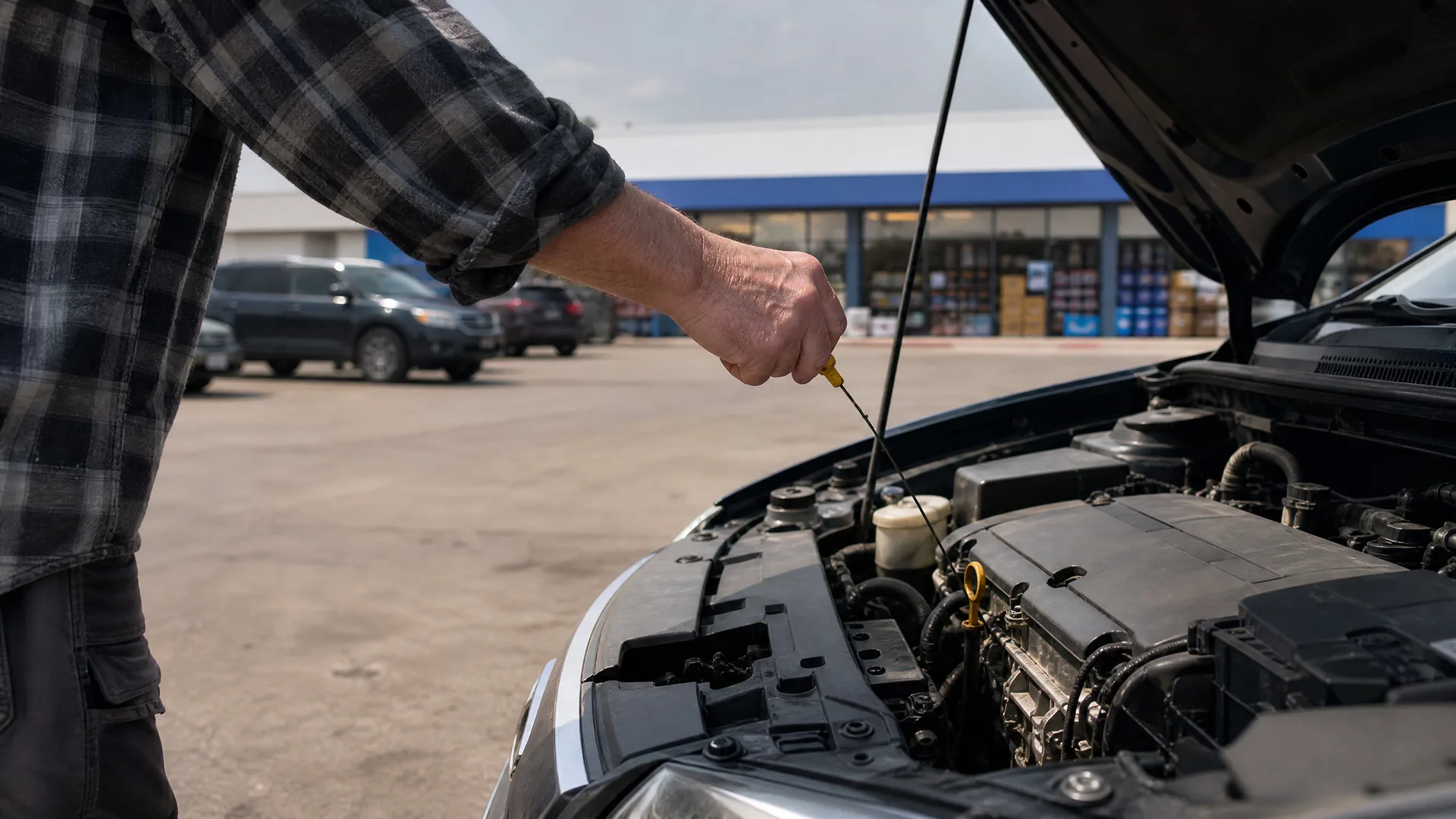
A car that stays in Lake Havasu City while you're away is a different situation than a car you drive back and forth with the seasons. If it sits unused for months, ask your insurer about adjusting coverage for that period, since a parked car still needs protection against theft, fire, or weather even if it's not being driven.
If the car travels with you, your policy needs to work in every state you actually drive through and stay in, not just Arizona. Most policies extend across state lines automatically, but confirm that with your insurer rather than assuming it, especially if you're gone for an extended stretch each year.
Either way, tell your insurer the pattern before it happens, not after. A policy that assumes year-round local driving when the car is actually idle for months, or vice versa, can leave gaps you don't find out about until you need the coverage.
Questions people ask about this
Do I need Arizona car insurance if I'm only there part of the year?
It depends on where your car is garaged most of the year, not on how many months you personally spend in the state. If the car stays in Arizona most of the year, Arizona is generally where it should be insured and registered. Ask your state's motor vehicle agency and your insurer how they define primary garaging if your time is split closely between two places.
Can I keep my out of state insurance if I winter in Lake Havasu City?
Sometimes, but it depends on your insurer and how long you're actually away from your home state each year. Some insurers are comfortable with a seasonal pattern as long as the garaging address and time split are disclosed accurately. Others may ask you to requalify or adjust the policy. Ask your current insurer directly rather than assuming the policy carries over unchanged.
Does my insurance still cover me if my car sits unused for months?
Yes, as long as the policy is active, but comprehensive coverage against theft or weather damage matters more than liability during that time since the car isn't being driven. Ask your insurer whether a reduced-use adjustment is available for months the car sits parked, since that can change what you're paying for coverage you're not using.
Will my rate go up if I list two addresses for part-year residency?
It depends on the insurer and on each address's own rating factors, since rates are built around local accident rates, theft rates, and other regional data. A move between two addresses with different risk profiles can raise or lower the rate either way. Ask your insurer to quote both scenarios so you know what to expect before you commit to one garaging address.
Do I need a new policy every time I move between states seasonally?
Not necessarily, but your insurer needs to know the pattern exists. Some insurers handle seasonal, multi-state use within a single policy if you disclose it upfront. Others require a new policy or an endorsement each time the car's primary location changes for an extended period. Ask your insurer how they structure coverage for drivers who split the year between two states.
If your car spends part of the year in Lake Havasu City, compare quotes that account for how it's actually garaged and driven.
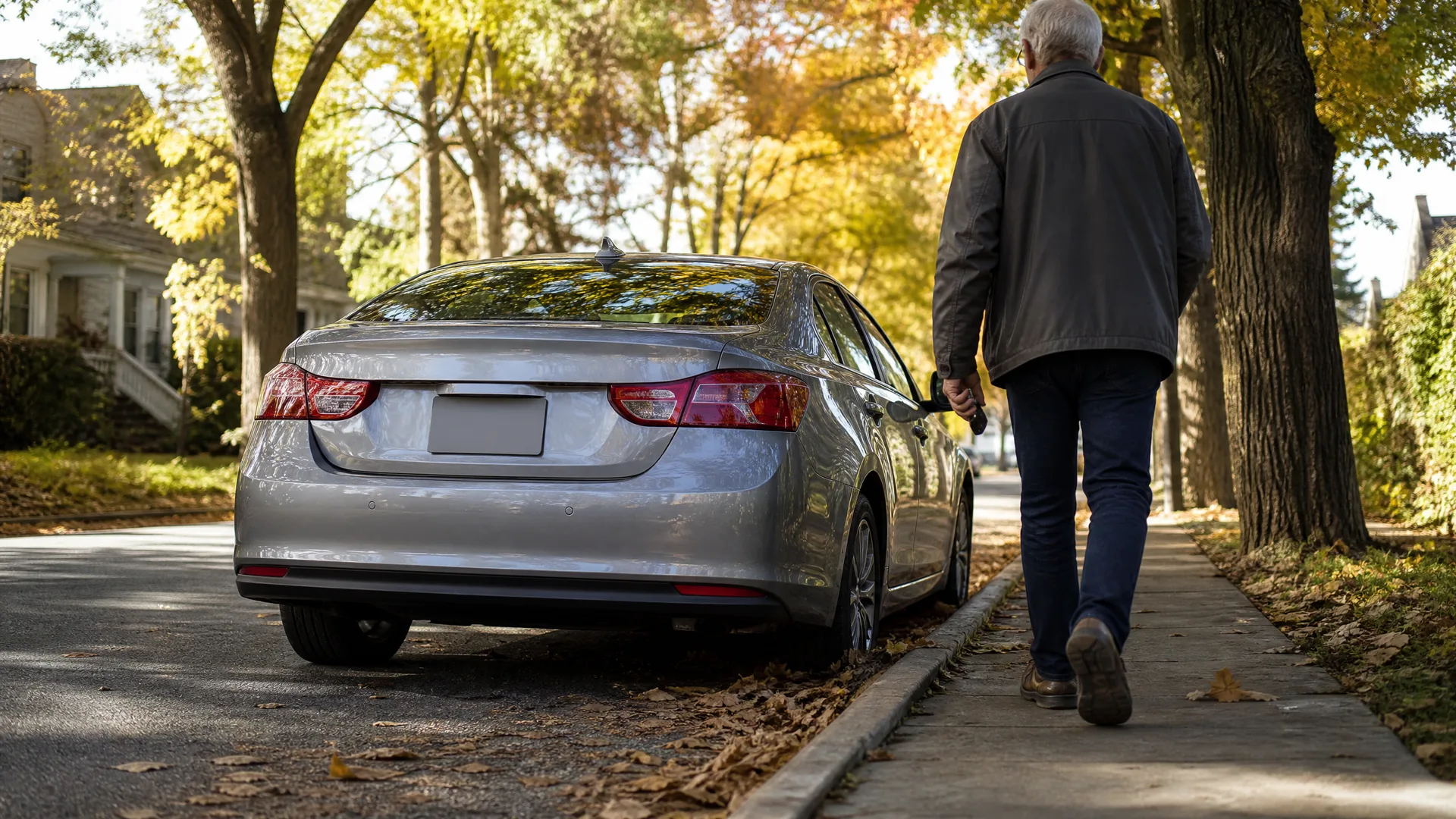
Before your next renewal, write down how many months the car is actually in Lake Havasu City versus anywhere else, and whether it sits parked or travels with you. Call your current insurer and tell them that pattern plainly, then ask whether your policy already reflects it. If you're not sure how your state defines a primary garaging address when time is split, your state's motor vehicle agency can tell you directly. Keep any registration or residency paperwork from both locations in case a question comes up later. Then compare a few quotes built around your actual seasonal pattern, since not every insurer prices it the same way.