Snowbird Car Insurance From Wisconsin to Florida
Your Wisconsin policy likely still covers you in Florida, but where you register and garage the car matters more than where you spend the winter.
Keep your Wisconsin policy as long as Wisconsin is your real home
If Wisconsin is still your legal residence, the place you vote, file taxes, and hold a driver's license, your Wisconsin car insurance policy covers you while you're in Florida. Insurance follows your state of residence, not wherever you happen to be driving.
This changes if you actually move your residence to Florida, register the car there, or keep it in Florida most of the year even if you still call Wisconsin home. Tell your agent how the car is actually used. An insurer that finds out later your car sits in Florida for half the year, unreported, has grounds to question a claim.
Where the car is garaged most of the year
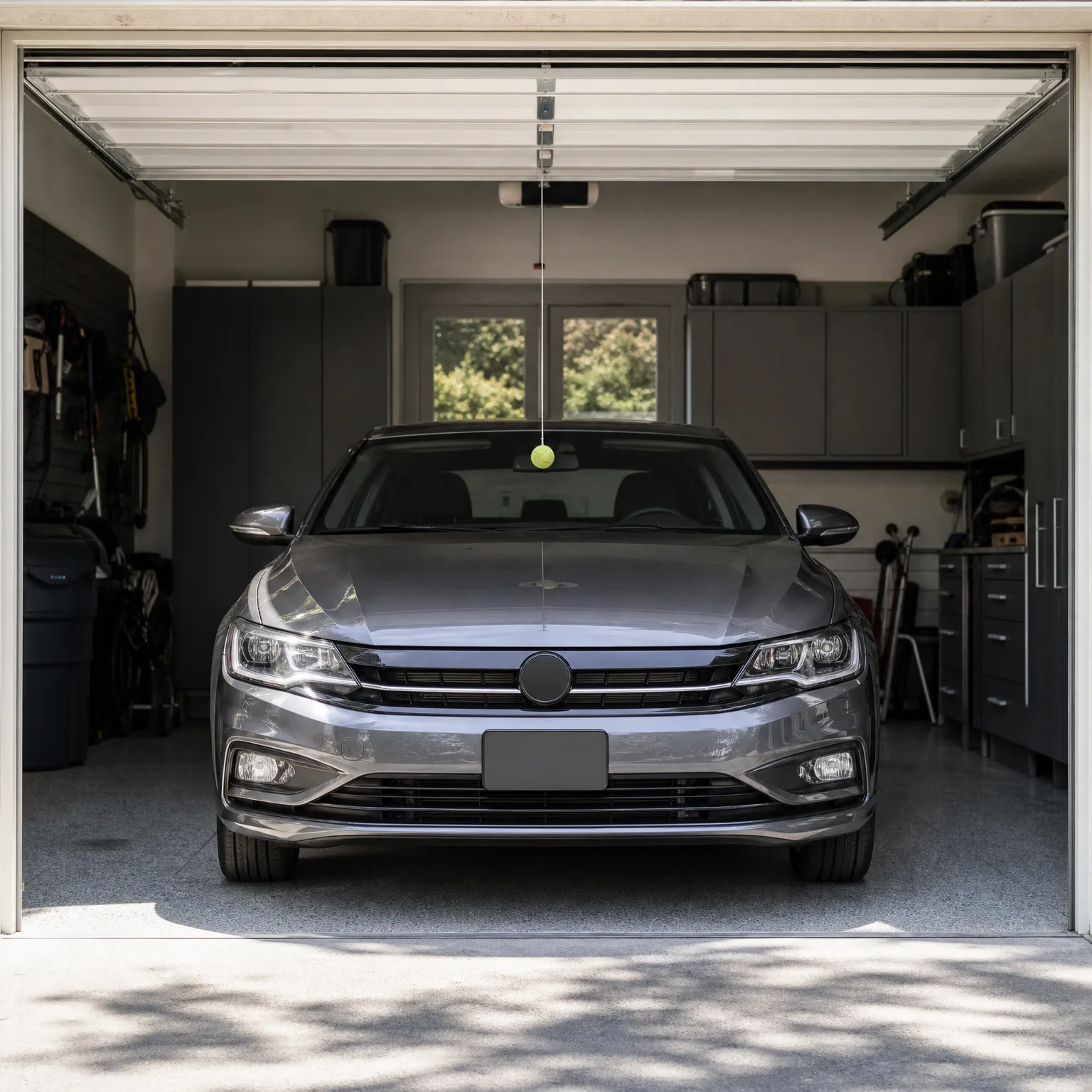
Insurers price a policy partly on where the car spends its time. If your car is garaged in Florida for several months each year, that address affects your rate, your coverage options, and sometimes which company will even write the policy.
Some snowbirds keep one car in Wisconsin and a second car in Florida, each insured in the state where it stays. This is often cleaner than trying to cover one car that crosses state lines twice a year, because each insurer only has to account for one set of roads, one set of weather, one state's claims history.
If you drive the same car both places, say so plainly when you set up or renew the policy. Tell your agent the months you're in each state. Ask directly whether your rate or coverage changes based on where the car is parked most of the year, because that answer depends on the insurer.
What counts as your legal residence
Your state of residence is not just a mailing address. It's usually tied to your driver's license, your voter registration, and where you file your primary tax return. If those are split or have changed, your insurer needs to know which state actually applies.
A common mistake is assuming a seasonal Florida address is harmless to leave off the policy. If Wisconsin and Florida ever disagree about where you actually live, that gap can affect a claim or a renewal. It's worth asking your Wisconsin insurer directly how they want a part-year Florida address handled, since the answer isn't the same at every company.
If you've formally changed your residence to Florida, your policy needs to move with you. Driving on a Wisconsin policy after you've become a Florida resident is not something to let slide past a renewal.
Questions people ask about this
Do I need Florida car insurance if I'm only there part of the year?
Not necessarily, as long as Wisconsin remains your legal state of residence and your insurer knows the car spends part of the year in Florida. If you've changed your residence to Florida, or the car stays there most of the year, Florida insurance may be required. Check with your Wisconsin insurer and with Florida's licensing agency about how they define residency for insurance purposes.
Can I keep my Wisconsin license plates if I winter in Florida?
Generally yes, as long as the car is still registered to your Wisconsin address and Wisconsin remains your legal residence. Registration follows residency rules set by the state, so if your residence status changes, your registration and plates usually need to change with it. Wisconsin's DMV can tell you exactly what counts as still being a resident.
Does my insurance rate change when I drive from Wisconsin to Florida for the winter?
It can, depending on how your insurer treats a car that's garaged in a different state for part of the year. Some insurers adjust rates based on where a car spends most of its time, since that affects weather exposure and claims history. Ask your insurer directly whether a seasonal Florida address changes your premium or your coverage.
What happens if I get in an accident in Florida on my Wisconsin policy?
Your Wisconsin policy should still respond to a covered accident in Florida, since auto insurance generally travels with you across state lines. The claim will be handled under the terms of your Wisconsin policy, not Florida's insurance rules. If there's any question about your residency status at the time of the accident, that's worth clarifying with your insurer ahead of time, not after.
Should I insure my car separately in Wisconsin and Florida if I keep one there year-round?
If you keep a second car in Florida full time, insuring it there directly is often simpler than trying to cover it on a Wisconsin policy. A Florida-based policy accounts for Florida roads and claims history without you having to explain a car that never actually drives in Wisconsin. Ask a Florida insurer how they'd handle a car owned by someone who is a Wisconsin resident.
See what a policy built around your actual time in each state would cost.
Pull out your current Wisconsin policy and check what it says, if anything, about Florida or seasonal addresses. Call your agent and tell them plainly how many months the car is in each state and where it's garaged most of the year. Ask them directly whether that changes your premium, your coverage, or which state should be listed as your residence. If you've already made Florida your legal residence, start the process of moving your policy and registration there before your Wisconsin policy renews again. If you keep a second car in Florida, get a quote for insuring it there separately and compare that to keeping both cars on one policy.