
Snowbird Car Insurance From Pennsylvania to South Carolina
You can usually keep your Pennsylvania policy while you winter in South Carolina, but your insurer needs to know both addresses and how your car is actually used.
Yes, if you tell your insurer what's really going on
You can keep your car insured through a Pennsylvania company while you spend part of the year in South Carolina. Insurers expect this. Snowbirds are common enough that most carriers have a way to handle it, which usually means noting a secondary address on your policy rather than treating the move as a change of state.
What matters is that your policy reflects where the car actually sits for part of the year and where it's garaged most of the time. If Pennsylvania stays your primary residence, your license, your registration, and the address where the car spends most months, your policy can usually stay as is. The part you can't skip is calling your insurer and telling them about the South Carolina address before you go, not after something happens there.
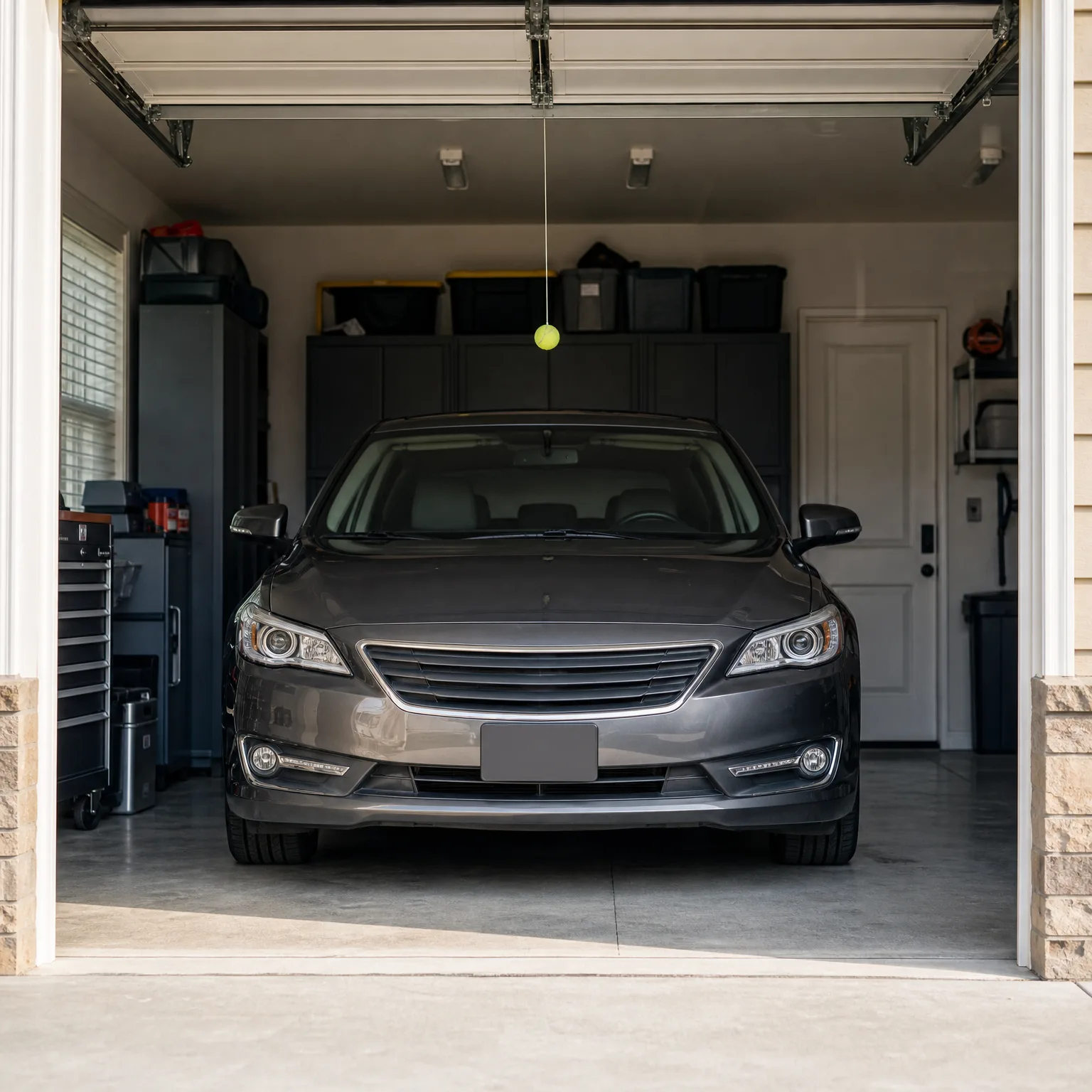
Where your car is actually garaged most of the year
Insurers price a policy partly on where the car is kept, because that address affects theft risk, accident rates, and weather exposure. If your car spends real time in South Carolina each year, your insurer may ask for that address even if you're not changing your legal residence.
This isn't usually a problem. It just means your agent needs the full picture: how many months in each state, whether the car travels with you or stays parked in Pennsylvania while you fly down, and whether anyone else drives it while you're away. Leaving this out doesn't save you anything. If a claim happens in South Carolina and your insurer never knew the car spent time there, that gap can slow down or complicate how the claim gets handled.
The safest move is a short call before the season starts. Tell them the South Carolina address, the rough dates you're there, and ask whether anything on your policy needs to change for that period. Some insurers adjust nothing. Others want it noted. You won't know which until you ask.

How long you actually stay each year
The length of your stay is what eventually turns a visitor into a resident, at least in the eyes of the state and sometimes your insurer. Every state sets its own threshold for when someone living there part of the year is expected to register a car and get a local license, and South Carolina sets its own.
If your time there is well under that threshold, you're likely fine keeping everything in Pennsylvania. If you're creeping toward spending half the year or more in South Carolina, it's worth checking with South Carolina's DMV directly about what triggers their residency rules for registration and licensing, since this isn't something your car insurer decides.
Your insurer cares less about the calendar and more about being told the truth about where the car is. The state cares more about the calendar. Checking both sides keeps you from a situation where your insurance is fine but your registration isn't, or the other way around.
Questions people ask about this
Do I need a South Carolina driver's license if I'm only there part of the year?
Not if South Carolina isn't your permanent residence and you stay under the time threshold the state sets for part-year residents. South Carolina's DMV can tell you exactly where that line falls, since it varies by state and isn't something your insurer determines.
Will my Pennsylvania insurer cover an accident that happens in South Carolina?
Yes, a standard auto policy covers you driving in any state, including South Carolina. The coverage itself travels with the car. What matters separately is making sure your insurer knows you spend part of the year there, so there's no confusion later about where the car is usually kept.
Should I register my car in South Carolina instead of Pennsylvania?
That depends on how long you're actually there and what South Carolina's residency rules say about registration. If Pennsylvania remains your primary address and you're under the state's threshold for part-year residents, you typically keep your Pennsylvania registration. Check directly with South Carolina's DMV if your stays are getting longer each year.
Does my policy cost change if I add a South Carolina address?
It depends on your insurer and how they handle secondary addresses. Some make no change at all, others adjust the policy based on where the car spends time. The only way to know is to ask your insurer directly what adding the address does to your policy.
What happens if I don't tell my insurer about my South Carolina stay?
Your coverage doesn't necessarily stop working, but if a claim happens while you're there and your insurer never knew the car spent part of the year in that state, it can complicate how the claim is reviewed. Telling them upfront avoids that entirely.
See how insurers that work across both states compare before your next trip south.
Before you head south this year, call your current insurer and tell them about your South Carolina address, how many months you're typically there, and whether the car travels with you or stays parked at home. Ask them directly whether anything on your policy needs to change for that period, and get the answer in writing or by email if you can. Separately, check South Carolina's DMV website for how long a part-year resident can stay before registration or licensing rules kick in, since that's a state decision your insurer doesn't make. If your stays have been getting longer each year, it's worth confirming both answers again, since what applied last year may not apply if your routine has changed. Keep your Pennsylvania documents and any confirmation from your insurer with you while you're away, just in case anything comes up.