
Snowbird Car Insurance From Ohio to Florida
You can keep your Ohio policy while wintering in Florida, but where you register the car and call home matters more than where you park it.
Yes, you can keep Ohio coverage while you winter in Florida
Your Ohio insurer almost certainly covers you in Florida. Car insurance follows the policy, not the state line, so driving the car to Florida for part of the year doesn't void anything or require a separate policy.
What actually matters is where the car is registered and where you claim residency. If Ohio stays your legal home, your Ohio insurer stays your insurer, and the Florida months are just a long trip as far as the policy is concerned. Tell your agent you split time between the two states anyway, since where a car sits most of the year can affect how it's rated.
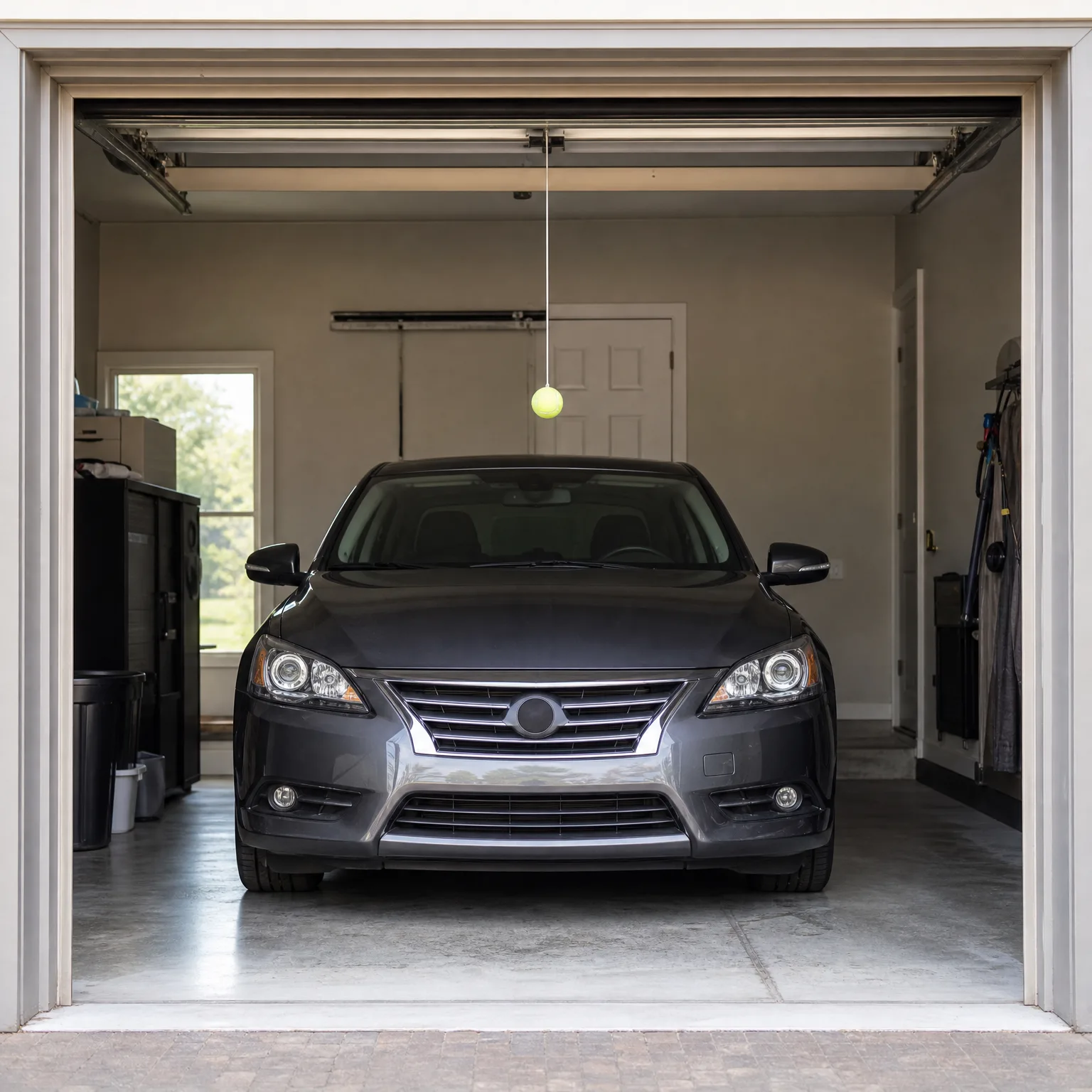
Which state you tell your insurer the car lives in
Insurers rate a policy partly on where the car is garaged most of the year, not just your mailing address. If you're in Florida for several months, say so. Leaving it off the application can give the insurer a reason to deny a claim later if they find out the car spent part of the year somewhere you never mentioned.
This isn't about picking the cheaper state. Ohio and Florida price risk differently, and a Florida garaging address might raise or lower your rate depending on the car and the area. The point is accuracy. Call your agent, describe the arrangement honestly, and let them tell you how it affects the policy.
If you ever decide to make Florida your real home, that's a bigger change. Registration, title, and your driver's license would need to move with you, and at that point you'd likely need a Florida policy instead of an Ohio one.
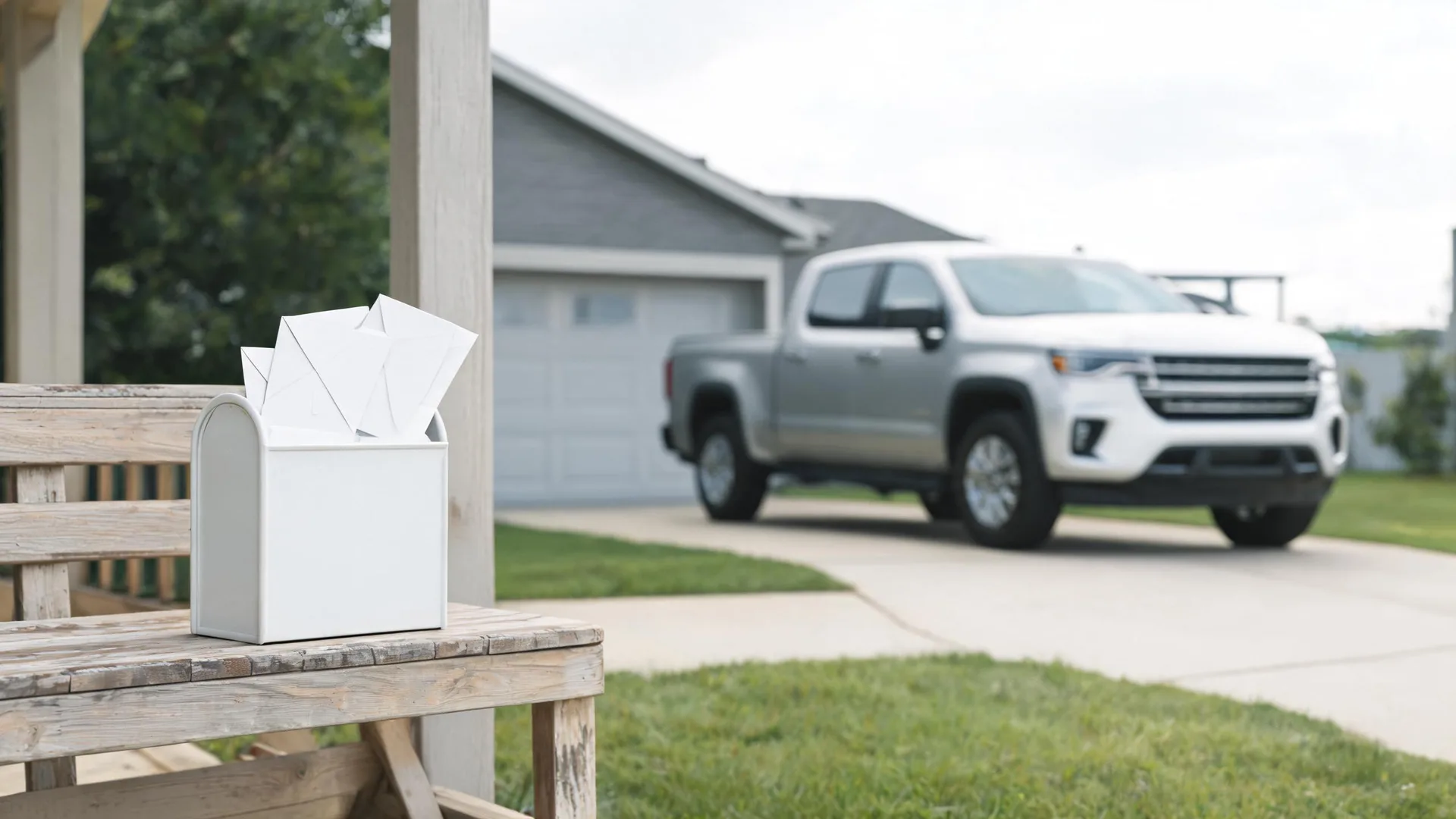
What changes if you bring a second car to Florida
Some snowbirds keep a car in each state rather than driving one back and forth. If that's your plan, each car needs to be registered and insured according to the rules of the state it actually lives in, not the state you consider home.
A car that stays in Florida most of the year generally needs Florida registration and Florida insurance, even if you're an Ohio resident. States set their own rules for how long a car can sit on out-of-state plates before it has to be registered locally, so check with Florida's motor vehicle agency for the exact threshold.
If you only have one car and drive it between the two states, this doesn't apply. The car stays registered and insured in your home state, and the trip itself doesn't trigger anything.
Questions people ask about this
Do I need Florida car insurance if I only stay a few months a year?
Not usually, if the car is registered in Ohio and spends most of the year there. A temporary stay in Florida doesn't require a separate Florida policy. If you start spending most of the year in Florida instead, that balance can shift, and it's worth asking your agent at what point it does.
Does my Ohio license still work while I'm in Florida for the winter?
Yes. A valid driver's license from any state is honored in every other state. You only need to get a Florida license if you actually become a Florida resident, which is a separate decision from where you park your car for part of the year.
Will my insurer know I'm driving in Florida part of the year?
Only if you tell them, which you should. Insurers don't track where a car travels day to day, but if you mention the Florida stay when you set up or renew the policy, it's on record. That record matters if you ever file a claim while the car is in Florida.
Can I switch between an Ohio and a Florida policy depending on the season?
Some people do, but it adds complexity most insurers aren't set up for seasonally. It's more common to keep one policy with one insurer and make sure that insurer knows about the time split, rather than canceling and rewriting coverage twice a year.
What happens to my insurance if I decide to move to Florida permanently?
At that point you'd update your residency, register the car in Florida, and get a Florida license, and your coverage would need to move to a Florida-licensed insurer or a Florida policy with your current one. That's a different situation from spending winters there while Ohio stays home.
See what a policy built around your two-state routine would actually cost.

Call your current insurer before your next trip south and tell them plainly that you split your year between Ohio and Florida. Ask whether that changes how the car is rated or whether anything needs updating on the policy. Keep your registration and insurance card for the state the car is legally registered in with you at all times, not just the state you're currently in. If you're bringing a second car to Florida, check with Florida's motor vehicle agency about how long it can stay on Ohio plates before local registration is required. And if winters in Florida start turning into most of the year, revisit the residency question itself, since that's what actually triggers a full switch.