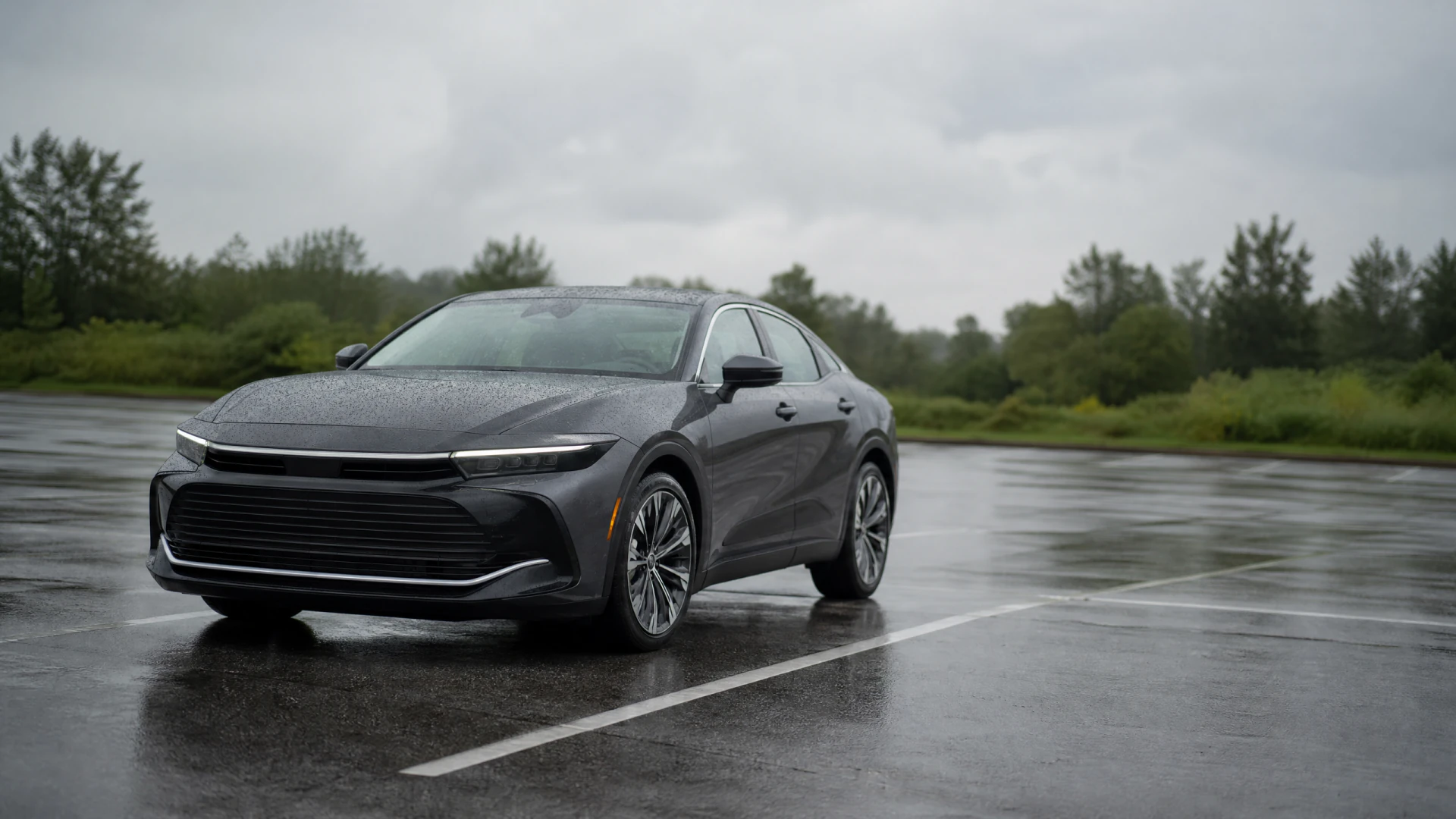
Snowbird Car Insurance From Illinois to Florida
Keeping your Illinois policy usually works fine for seasonal travel, but your insurer needs to know both addresses.
Your Illinois policy can usually cover you in Florida
You don't need a separate policy just because you drive to Florida for part of the year. Car insurance follows the car and the driver, not the state you're currently parked in, so an Illinois policy covers you on Florida roads the same way it would on an Illinois highway.
What matters is telling your insurer that you split time between two states. They'll want your Florida address on file, even if Illinois stays your primary address and the one on your license and registration. If something happens while you're in Florida and your insurer didn't know you spend months there, that can complicate a claim.
Where your car is actually garaged most of the year
Insurers price your policy partly on where the car sits overnight, because that affects theft risk, weather exposure, and how often you're likely to drive. If you're spending several months a year in Florida, your insurer may ask which state the car is garaged in most of the year, and that answer can change your rate.
This is different from where you're licensed. You can keep your Illinois license and registration while still telling your insurer the car spends part of the year in Florida. Leaving that detail out to avoid a rate change is a bad trade. It's the kind of gap an insurer can use to delay or deny a claim later.
If you genuinely split time close to evenly, ask your insurer how they handle that. Some have a process for seasonal or dual-state drivers. Others will just want your primary address updated whenever it changes.
If you ever make Florida your real primary residence, that's a bigger shift. At that point you're likely looking at registering and insuring the car there, not just adding an address.

What people get wrong about moving between the two
The biggest mistake is assuming nothing needs to change because the car never gets sold or re-registered. Your insurer still needs an accurate picture of where and how you use the car, and an unreported second address can be read as withholding information.
The second mistake is assuming Illinois and Florida treat things the same way. They don't always. Minimum coverage requirements, how each state handles uninsured drivers, and rules around registration residency differ by state, so a policy that satisfies Illinois law doesn't automatically satisfy Florida's if you ever do become a Florida resident.
The third is forgetting to check both directions. If you're ever in a situation where it's unclear whether Illinois or Florida is your legal home state, that question can come up with your license, your registration, and your insurer separately, and the answers don't have to match perfectly, but your insurer should know the full picture.
Questions people ask about this
Do I need Florida car insurance if I only stay a few months a year?
Not usually, as long as your Illinois policy knows about the Florida stay and your car and license stay registered in Illinois. The exception is if Florida ends up being where you actually live most of the year, which is a residency question worth checking with the state if your situation is close to that line.
Will my insurance rate change for snowbird driving?
It might, since some insurers price differently based on where the car is garaged part of the year. Ask your insurer directly how they treat seasonal dual-state use rather than assuming it works one way or the other.
Can I register my car in Florida and keep Illinois insurance?
Registration and insurance don't have to be in the same state, but most insurers prefer the address on file to match your actual registration state. Ask your insurer whether they still cover you under those conditions before you register anywhere new.
What happens if I get in an accident while in Florida with an Illinois policy?
Your Illinois policy should still respond to the claim as long as your insurer was told you drive and stay in Florida part of the year. The complication comes when an insurer later finds you'd been in Florida for long stretches without ever mentioning it.
Does my car insurance company need to know I'm a snowbird?
Yes, because insurers base coverage and pricing partly on where and how often you drive the car. Tell them both addresses and how many months you typically spend in each state, and let them tell you if anything on your policy needs to change.
See how insurers compare on covering a car that splits time between two states.
Call your current insurer before your next trip south and tell them you split your year between Illinois and Florida. Ask whether they need a Florida address on file and whether that changes your premium. Have your registration and license details handy, since they may ask which state the car is garaged in most months. If you're ever unsure whether Florida residency rules might apply to you, check with Florida's motor vehicle agency directly rather than guessing. While you're talking to your insurer, ask them to confirm in writing what's covered in both states so there's no question later.