
Snowbird Car Insurance From Connecticut to Florida
You can keep one policy covering you in both states, but your insurer needs to know where the car actually spends its time.
Yes, one policy can cover you in both states
Your Connecticut policy follows you to Florida. Car insurance covers you anywhere in the country, so you don't need a separate Florida policy just because you spend part of the year there.
What matters is telling your insurer the truth about where the car is garaged most of the year. If you're in Florida for several months, that's worth a call, because it can change your rate and it affects how a claim gets handled if something happens while you're there.
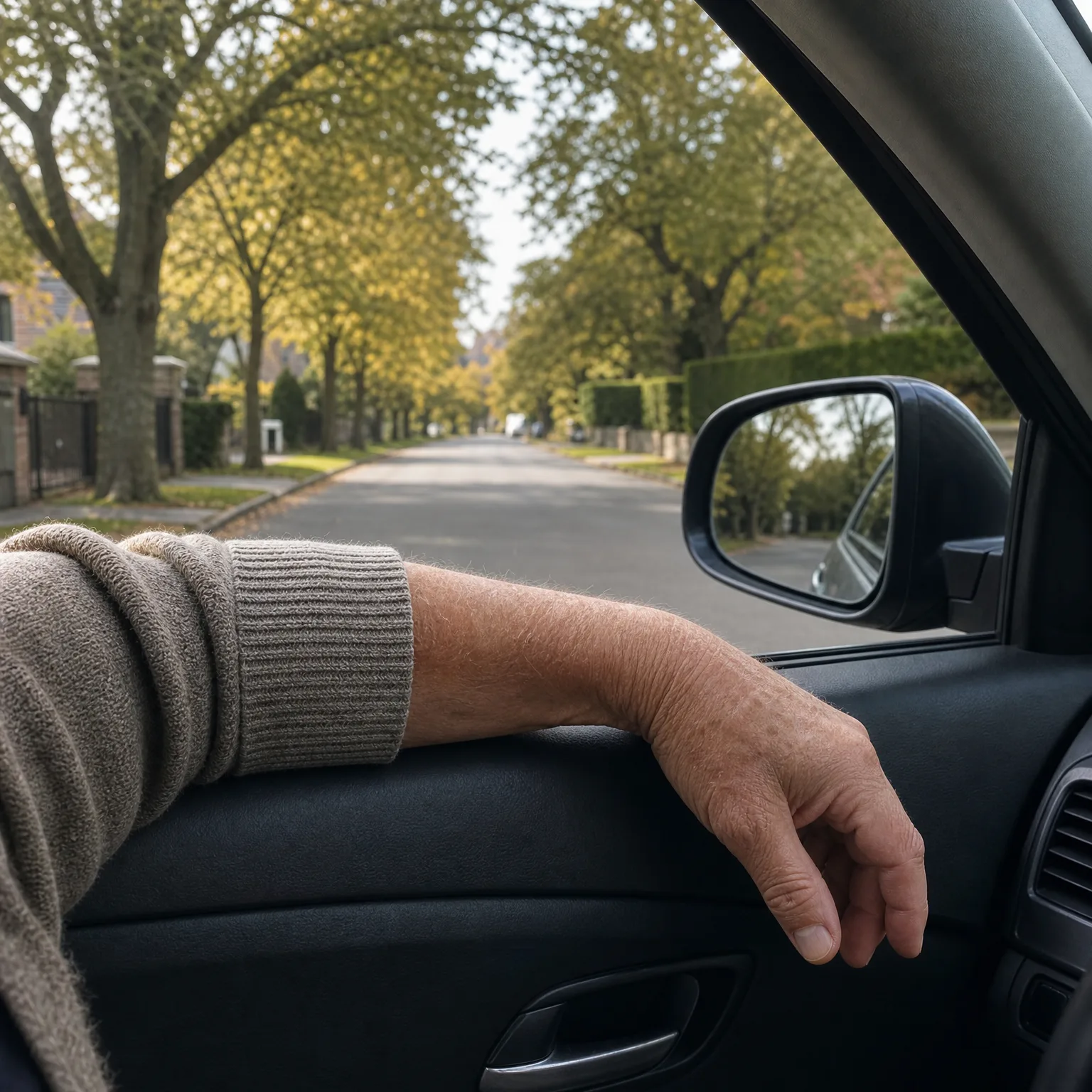
Where the car is garaged most of the year
Insurers price a policy partly on where the car sits overnight, since that location drives the odds of theft, weather damage, and accidents. If your car spends a good part of the year in Florida, your insurer may ask you to update that address even if you keep your Connecticut registration.
Not telling them isn't a small omission. If you're in an accident in Florida and your policy still lists the car as garaged in Connecticut full time, the insurer can look into why, and that can slow down or complicate a claim.
Call your agent before the first trip and ask directly how they want you to handle a seasonal address. Some insurers have a straightforward way to note this. Others may treat it differently, so ask rather than assume.
This is also the point to ask whether your rate changes based on the garaging address. It can go up or down depending on where Florida rates compare to Connecticut rates for your area.
Where the car is registered and titled
Insurance is one piece. Registration is another, and states have their own rules about how long a car can be in the state before it needs to be registered there instead.
Connecticut and Florida each set their own threshold for this, often tied to how many months of the year you spend in the state. If you're there long enough, Florida may expect you to register the car and get a Florida license, not just carry Florida-compliant insurance.
This is a question for the Connecticut DMV and Florida's Department of Highway Safety and Motor Vehicles, not your insurer. The answer depends on specifics like how long you stay and whether you're considered a Florida resident for other purposes, like voting or taxes.
If your residency status changes, your insurance needs to change with it. An insurer can't keep covering a car as if it's principally garaged in a state you've left behind for good.
Questions people ask about this
Do I need a Florida address to insure my car there part of the year?
No, you don't need a Florida address to keep a Connecticut policy while you're there part of the year. You do need to tell your insurer where the car is actually garaged for the months you're away, since that's different from needing a Florida mailing address or residency.
Will my Connecticut insurance pay out for an accident in Florida?
Yes, a Connecticut policy covers accidents anywhere in the country, including Florida. Coverage limits and rules follow your policy, not the state you're driving in, though Florida's own traffic and liability laws will apply to how the accident itself is handled.
Can I switch between a Connecticut and Florida policy each year?
It's possible, but it means canceling and starting a policy twice a year, which creates gaps if the timing doesn't line up exactly. Ask an insurer licensed in both states whether a single policy with a seasonal garaging note is simpler than switching back and forth.
Does my car need a Florida inspection if I only drive it there part of the year?
Florida doesn't have a general vehicle safety inspection program the way some states do, so this depends more on registration than insurance. Check with Florida's motor vehicle department directly if you're registering the car there, since the requirement can depend on how the car is titled.
How do I tell my insurer I'll be in two states during the year?
Call your agent or insurer and explain the months you'll be in each state before you start traveling. They'll tell you whether they need an updated garaging address, whether your rate will change, and whether anything else on the policy needs adjusting for the move.
See how insurers handle snowbird coverage differently before you decide what to tell yours.
Call your current insurer before your next trip south and ask exactly how they want you to report time spent in Florida. Have your travel dates roughly worked out, since some insurers ask for the months you expect to be away. Ask whether your rate changes with a seasonal garaging address, and get the answer in writing or in an email if you can. Separately, check with the Connecticut DMV and Florida's motor vehicle agency about how long you can stay before registration rules kick in, since that's a different question from insurance. If your insurer isn't licensed to write policies for time spent in Florida, ask what they recommend, and compare that against a few other options before your next renewal.