
Does Car Insurance Cover a Car Shipped by Carrier
Your car insurance generally stops covering the car once it's in the shipping company's hands, and their cargo coverage takes over instead.
Your policy usually doesn't cover it during transport
While your car is on a carrier, your own insurance typically isn't the coverage that applies. Most personal auto policies are written to cover a car you're driving or that's parked at your home, not a car that's in the custody of a shipping company. The carrier is supposed to carry its own cargo insurance for exactly this situation.
That said, some comprehensive coverage does extend to damage that happens while the car isn't being driven, so it's worth checking your own policy's wording rather than assuming it's silent. The more reliable protection comes from the shipping company itself. Before you hand over the keys, ask them directly what their cargo insurance covers and get it in writing.
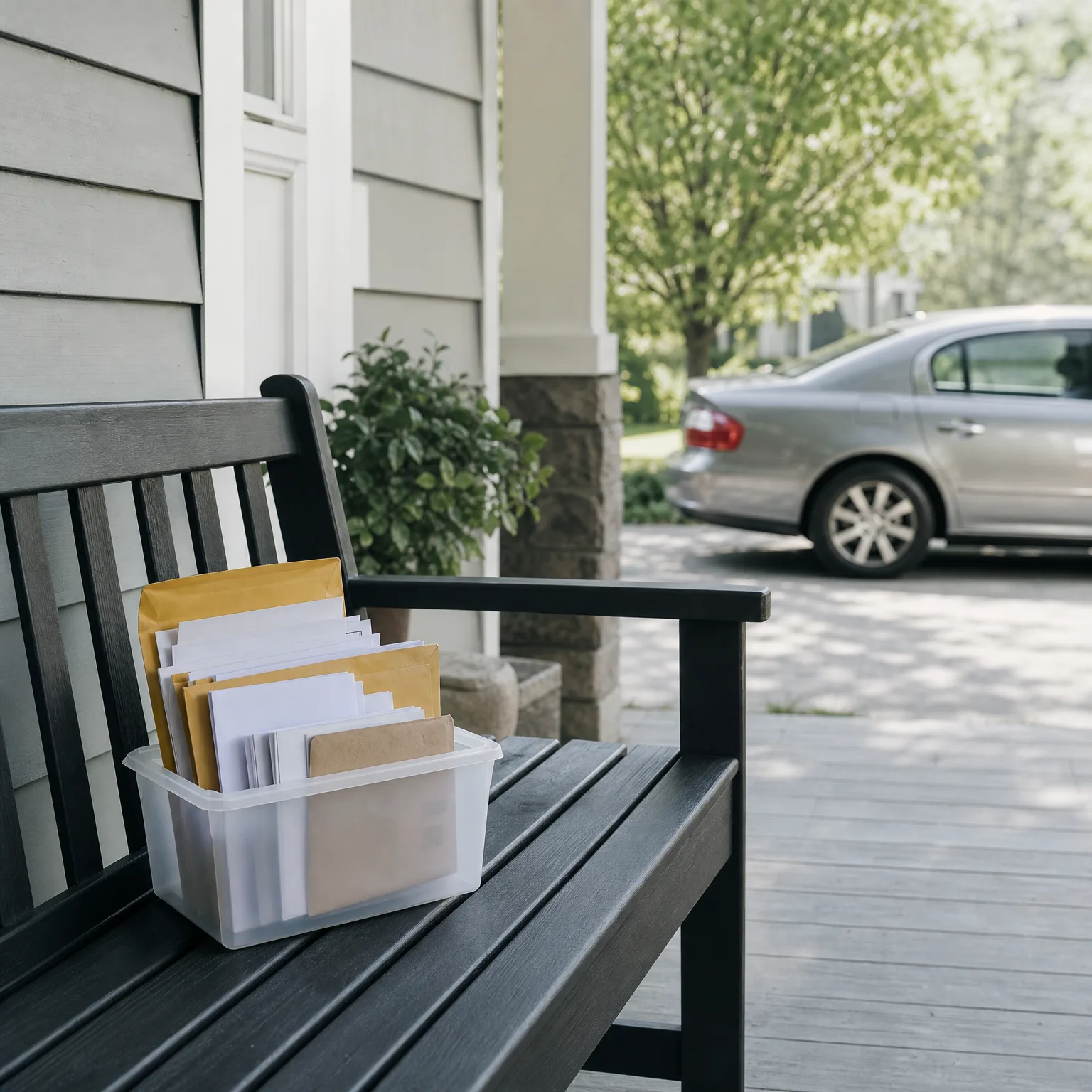
What the shipping company's insurance actually covers
The carrier's cargo insurance is the first line of protection, and it's worth understanding before you sign anything. Ask what the coverage limit is, whether it covers the full value of your car, and whether there's a deductible you'd owe out of pocket.
Also ask what's excluded. Some carrier policies exclude pre-existing damage, items left inside the car, or certain kinds of mechanical failure. If the carrier won't answer these questions clearly or won't put the coverage in writing, that's worth noticing before you book with them.
Document the car's condition yourself before it's loaded. Photos of every side, the wheels, the roof, and the odometer give you something to compare against if you need to make a claim. Do this even if the carrier does its own inspection, since their inspection report protects them as much as it protects you.

Where your own policy might still matter
Comprehensive coverage on your own policy is the part most likely to respond if something happens to your car while it's in transit, since comprehensive is built to cover damage from events other than a collision you caused. Whether it actually applies while the car is on a carrier depends on how your specific policy is written, so this is a question to ask your insurer directly rather than assume.
If you do have comprehensive coverage, remember your deductible still applies. That means if the carrier's cargo insurance falls short of the full repair cost, your own policy could fill part of the gap, but you'd pay your deductible first.
One thing to check either way is whether your policy requires the car to be in your possession or garaged at a specific address for coverage to apply. Some policies have language like this, and it matters if your car will be sitting at a shipping terminal for any length of time before or after the move.
Questions people ask about this
Do I need to buy extra insurance from the car shipping company?
You don't have to, but it's worth considering if the carrier's standard cargo coverage has a low limit or a high deductible. Ask what additional coverage costs and what it adds before deciding, since the answer varies by company.
What happens if my car is damaged during shipping?
You'd typically file a claim with the shipping company first, since their cargo insurance is meant to cover this. Keep your pre-shipping photos and the inspection report the carrier gave you, since you'll need both to support the claim.
Should I remove my license plates before shipping my car?
This depends on your state's rules, since some states require plates to stay on and others don't. Check with your state's motor vehicle agency before the car is picked up.
Does my car need to be insured while it's being shipped if it's not being driven?
Many states require continuous insurance on a registered vehicle whether or not it's being driven, so letting your policy lapse during shipping could create a registration problem. Ask your insurer whether a reduced coverage option exists for a car that's temporarily not in use.
Can I ship a car that's still being financed or leased?
Usually yes, but the lender or leasing company may have its own requirements about insurance coverage during the move. Check your loan or lease agreement, or call the lender, before scheduling the shipment.
Before you book a carrier, it's worth seeing what your own policy would actually cover so you know what gaps the shipping company's insurance needs to fill.
Call your insurer before the move and ask directly whether your comprehensive coverage applies while the car is in a carrier's custody. Ask the shipping company for their cargo insurance terms in writing, including the coverage limit, the deductible, and what's excluded. Photograph the car thoroughly before it's loaded, and keep a copy of any inspection report the carrier produces. If your car is financed or leased, check your agreement for any insurance requirements that apply during transport. If you're shipping the car to a new state, ask your insurer how that affects your policy and registration as well.