
Does Canceling Insurance on a Stored Car Cause Problems
Canceling outright can leave a gap that follows you to your next policy, but there are ways to store a car without losing coverage history.
It depends on how you cancel, not whether you cancel
Dropping insurance on a car you're not driving isn't illegal by itself. The trouble starts if the car stays registered or titled in your name while you have no policy on it at all. Most states check for a lapse when you go to register the car again or buy a new policy, and insurers treat a lapse as a sign of risk even if the car never left the garage.
The safer move, if your insurer offers it, is to switch the car to a storage or comprehensive-only policy instead of canceling altogether. That keeps a record of continuous coverage on file. Whether this option exists, and what it costs to keep, is up to your insurer and your state, so ask directly rather than assuming.
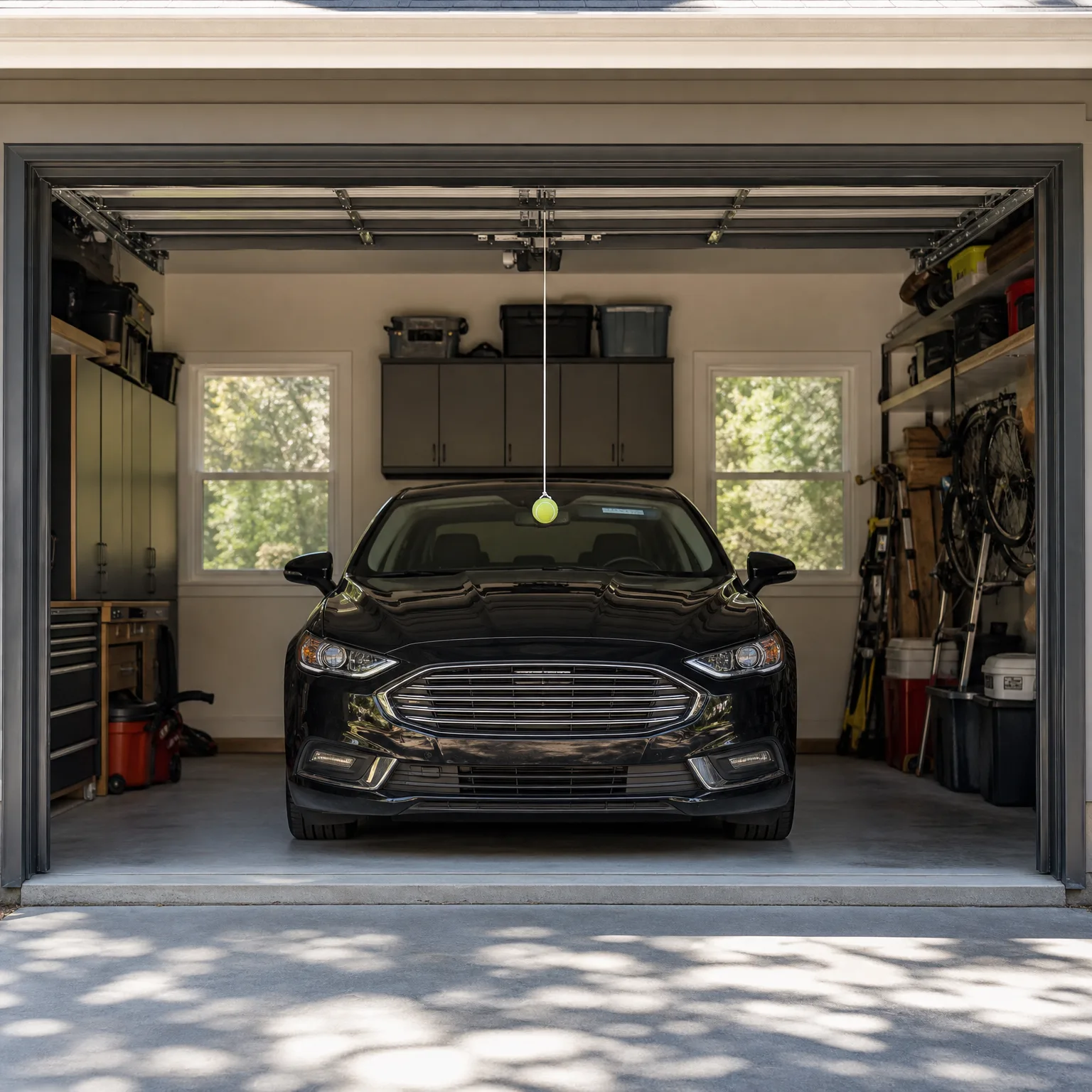
Whether the car is still registered
If the car keeps its registration and plates, most states expect it to carry at least liability coverage, storage or not. Canceling the policy while the registration stays active is what triggers the problems: a letter from the DMV, a fine, or a suspended registration you have to clear up before you can drive the car again.
Taking the car off the road properly usually means surrendering the plates or filing a form with your state's motor vehicle agency saying the car is not in use. Only after that step does canceling the policy stop creating a mismatch between what the state has on file and what you're actually insuring.
If you plan to keep the registration active for convenience, ask your insurer about a reduced coverage option rather than dropping the policy. That satisfies the state's requirement while the car sits unused.
How long the gap runs
A short gap, measured in weeks, rarely does much damage beyond the paperwork. A gap measured in months or longer is what insurers notice when you come back for a new quote. They ask how long you've been continuously insured, and a lapse resets that count.
For a driver who has carried insurance for decades, that history is usually worth something on a renewal or a new policy. Losing it over a car that was only in storage for a season can cost you more in the long run than keeping a minimal policy would have.
If the car was stored longer than you expected and the policy already lapsed, ask your insurer whether they can note the reason for the gap. Some will, particularly for an older driver with a long record, but it's not something to count on without asking.
Questions people ask about this
Can I just not register a stored car instead of canceling insurance?
Yes, in most states, if the car truly isn't being driven on public roads. Filing the car as non-operational with your state's motor vehicle agency usually removes the insurance requirement along with the registration. Check with your state agency for the exact form and whether it needs to be renewed each year.
Will my insurer know the car was in storage and not just uninsured?
Only if you tell them, or if you kept a storage or comprehensive-only policy that shows the car was covered against theft and damage the whole time. A plain cancellation looks the same to an insurer whether the car sat in a garage or sat uninsured on the street.
Does a stored car still need comprehensive coverage?
It depends on whether you want protection against fire, theft, or weather damage while it's parked. Comprehensive-only coverage is often the point of a storage policy, since it covers those risks without the cost of full liability and collision.
What happens if I sell the car while insurance is canceled?
Canceling insurance doesn't affect your ability to sell the car, as long as the registration and title are in order. Check with your state on whether the car needs active registration to be legally sold or transferred, since that rule varies.
Should I keep insurance on a car I'm storing for a family member?
That depends on whose name is on the title and registration, and what your state requires for an unregistered or stored vehicle. Ask your insurer whether the policy can stay in the owner's name even if someone else is handling the storage.
See what a storage policy or a short lapse would actually cost before you cancel anything.
Before you cancel anything, call your insurer and ask specifically about a storage or comprehensive-only policy for a car that isn't being driven. Ask what happens to your coverage history if you cancel outright versus reduce coverage. Separately, check with your state's motor vehicle agency about filing the car as non-operational if you also plan to let the registration lapse. Keep any paperwork from either step, since you may need it when you reinsure or re-register the car later. If you're helping a parent with this, it's worth making both calls together so you hear the same answers.