Can I Lower My Auto Insurance if the Car Is Stored
A stored car can qualify for a lower rate, but only if you call your insurer and ask for it.
Yes, but you have to ask for it
Insurers don't lower your premium automatically just because your car sits in a garage. You have to contact them, tell them the car isn't being driven, and ask about switching to a coverage that reflects that.
Most insurers offer something like comprehensive-only coverage, sometimes called storage coverage, for a car that isn't on the road. It covers theft, fire, and weather damage but drops the liability and collision pieces tied to driving. Whether your insurer offers this, and how they define a stored car, is something only your insurer can tell you.
What your insurer needs to hear from you
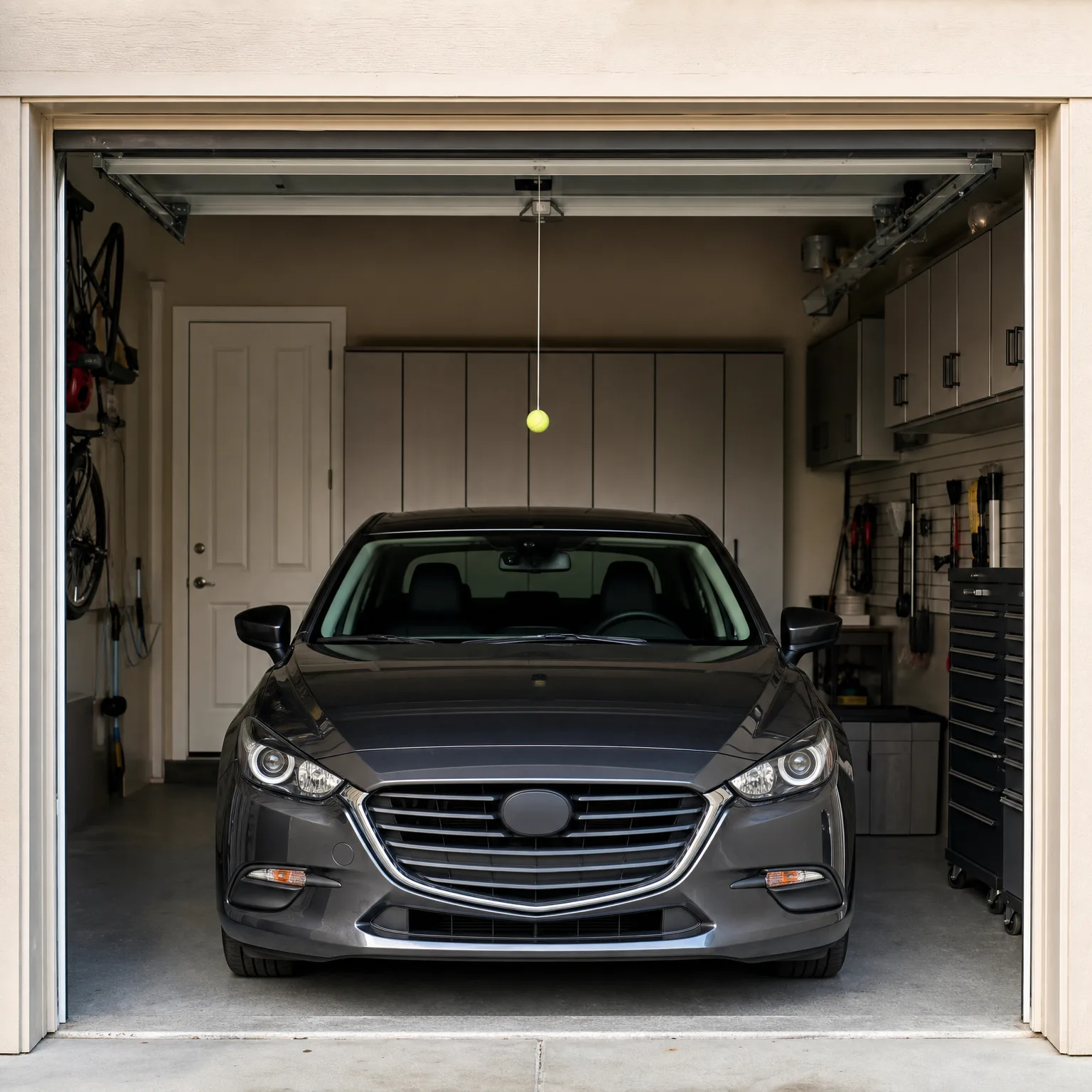
The word "stored" means different things to different insurers. Some want the car off the road entirely, with the plates turned in or at least not in use. Others are fine with the car sitting in a driveway as long as nobody drives it.
Before you ask for a lower rate, find out what your insurer's definition is. If you still move the car occasionally, to the shop, around the block to keep the battery alive, say so. Some insurers allow limited movement under a stored-car policy. Others don't, and if they find out the car was driven while you were paying a reduced rate, they can treat that as a problem at claim time.
Ask directly what happens if the car is damaged while stored and whether that comprehensive-only coverage still pays out for things like a fallen tree branch or a break-in. That's usually the point of keeping any coverage at all on a car you're not driving.
What you give up when you drop to storage coverage
If you remove liability and collision entirely, the car isn't insured to drive at all. That matters if you plan to take it out for a quick errand or a seasonal drive, because driving an uninsured car, even once, can create real problems if something happens.
It also matters if you plan to start driving the car again later. Ask your insurer how they treat the switch back. Some will reinstate full coverage immediately. Others may ask questions about the gap or want to reinspect the car first.
If you're storing the car because you no longer drive much in general, rather than storing one car while keeping another, mention that too. There may be a different adjustment that fits your situation better than a stored-car discount.
Questions people ask about this
Does a stored car still need to be registered?
That depends on your state. Some states let you keep a car off the road without registering it, as long as you don't drive it. Others require registration to stay current even for a parked car. Check with your state's motor vehicle agency before you cancel anything, since letting registration lapse can create its own complications.
Can I remove a stored car from my policy completely?
You can, but then the car has no coverage at all, including for theft, fire, or weather damage. If anything happens to it while it sits uninsured, you'd be covering that cost yourself. Most people who store a car long-term keep comprehensive-only coverage rather than dropping coverage entirely.
Will storing a car affect my other policies with the same insurer?
It can, depending on how your insurer bundles vehicles and discounts. If you have multiple cars on one policy, ask whether changing one car's coverage affects a multi-car discount or the rate on your other vehicles. Your insurer can walk through the specific effect on your policy.
How do I prove a car was stored if I ever need to show it?
Ask your insurer what documentation they'd want. Some accept your word and a change in coverage type as proof enough. Others may ask for photos, a storage facility receipt, or records showing the car wasn't registered or driven during that time. It's worth asking before you need it, not after a claim.
Is it worth insuring a stored car at all if I'm not driving it?
That depends on what could happen to it while it sits. A car in a locked garage faces less risk than one parked outside or in a shared storage lot. Weigh the cost of comprehensive-only coverage against what you'd lose if the car were stolen or damaged with no coverage in place.
If your car is sitting more than it's driven, see what a policy built around that actually costs.
Call your insurer and ask specifically about a stored-car or comprehensive-only option, rather than assuming it's automatic. Have your policy number, the car's location, and a rough timeline for how long it'll be stored. Ask what counts as storage under their rules, what happens if you need to drive it occasionally, and how coverage gets reinstated when you're ready. While you're at it, check with your state's DMV about whether registration can or must lapse during that time. Once you know the answers, you can compare what your current insurer offers against other quotes to see if the stored-car rate is actually competitive.